
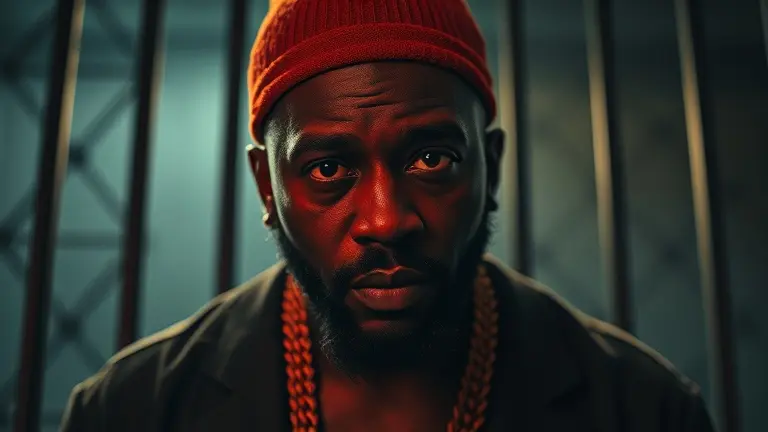
The sentencing of Michael Lawrence Tyler—known to the world as the rapper Mystikal—to 20 years in prison on June 16, 2026, marks the definitive end of a tumultuous chapter in hip-hop history. At 55, the artist who once commanded the charts in the early 2000s now faces a grim reality, the culmination of a harrowing legal process stemming from a 2022 sexual assault case in Ascension Parish, Louisiana. This was not a sudden conclusion, but a long, agonizing judicial journey defined by the courage of the survivor, whose powerful impact statement during the final hearing served as a somber reminder of the human cost behind the headlines. As the rap world reflects on the dichotomy between his musical legacy and his destructive choices, we are forced to confront the broader, often uncomfortable question of accountability for the stars we once idolized.
Analyzing this case requires looking beyond the transactional news alerts that have dominated the digital space. By examining the timeline of his legal struggle and the gravity of the victim-centric testimony, we gain a clearer understanding of how legacy and accountability collide in the modern cultural landscape. This investigation serves not only as a retrospective of a fallen artist but as a vital reminder of the weight that high-stress news cycles place on our own cognitive processes as we attempt to navigate these complex, often dark, societal narratives.
The Sentencing of Mystikal: A Legal Overview
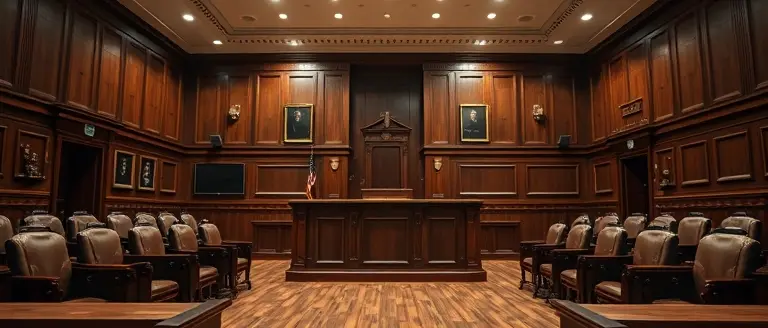
On June 16, 2026, the legal proceedings against Michael Lawrence Tyler, better known to the music world as the rapper Mystikal, reached a definitive conclusion in Ascension Parish, Louisiana. At 55 years old, the former hip-hop titan was sentenced to 20 years behind bars. This harsh penalty follows his guilty plea regarding a violent sexual assault case that first emerged in 2022, marking a definitive end to a career once defined by early 2000s chart-toppers like “Shake It Fast.” The sentencing hearing was a somber environment, underscored by the victim’s harrowing impact statement, in which she explicitly requested that the court impose the maximum possible duration for his incarceration.
The Gravity of the Legal Proceedings
The timeline leading to this sentencing was characterized by complex legal maneuvers and significant public scrutiny. The 2022 charges involved allegations of a deeply graphic nature, which kept the case in the national spotlight for several years. Unlike typical celebrity legal matters, this process prioritized the victim’s experience, focusing on the evidence presented by the prosecution rather than the artist’s past accolades. Legal experts note that the judge’s decision to grant a 20-year sentence reflects both the severity of the specific charges and the state’s commitment to addressing accountability for violent crimes.
- Key Case Details:
- Defendant: Michael Lawrence Tyler (Mystikal)
- Date of Sentencing: June 16, 2026
- Jurisdiction: Ascension Parish, Louisiana
- Primary Charge: Sexual assault (2022 incident)
- Outcome: 20-year prison sentence
For many, this outcome serves as a stark reminder of the fall of a legacy artist whose criminal history has repeatedly overshadowed his professional contributions. As legal systems across the United States increasingly focus on survivor testimony, the sentencing of Tyler serves as a case study in how the judiciary handles high-profile offenders who were once shielded by their fame. The resolution of this case closes a dark chapter for the victim and reinforces the growing cultural demand for accountability within the music industry.
Timeline of a Fall: From 2000s Stardom to Legal Closure

The journey from the height of Mystikal’s early 2000s stardom to his eventual 20-year prison sentence in 2026 was defined by a protracted and complex legal timeline. The proceedings in Ascension Parish, Louisiana, were far from straightforward, reflecting the intricate nature of high-profile sexual assault cases. While the incident occurred in 2022, the intervening four years were marked by significant legal maneuvering, evidentiary challenges, and rigorous judicial oversight that delayed a final resolution.
Key Phases of the Legal Proceedings
The path to justice was characterized by several critical milestones that demonstrate why the case took nearly half a decade to conclude:
- 2022 Initial Allegations: Following the incident, the artist was taken into custody. The initial investigation involved extensive forensic collection and witness testimonies that set the stage for a lengthy pre-trial phase.
- Procedural Delays and Motions: Over the next several years, the defense and prosecution engaged in numerous pre-trial hearings. These sessions often focused on the admissibility of evidence, the integrity of the investigative process, and the protection of the victim’s rights during the discovery process.
- The Plea Agreement: In early 2026, the strategy shifted toward a plea agreement, which brought a definitive end to the litigation. This maneuver allowed the state to secure a conviction while preventing the victim from having to undergo the emotional toll of a prolonged public trial.
- Sentencing and Victim Impact: The sentencing hearing on June 16, 2026, served as the final chapter. The judge’s 20-year decision was heavily influenced by a powerful impact statement from the victim, who directly addressed the defendant, reinforcing the weight of the crimes and the demand for accountability.
This four-year duration underscores the complexities of the Louisiana judicial system, particularly in cases where the evidence requires substantial authentication. By opting for a plea, the case concluded with a focus on victim advocacy rather than the spectacle of a courtroom battle, ultimately shifting the narrative from Michael Lawrence Tyler’s musical legacy to his long-term criminal accountability.
The Victim’s Impact: Centering the Voice of Accountability

The sentencing of Michael Lawrence Tyler, professionally known as Mystikal, on June 16, 2026, was defined less by the defendant’s past celebrity and more by the profound courage of the survivor. During the proceedings in Ascension Parish, Louisiana, the court centered the victim’s impact statement, which served as a critical pillar in the judicial process. Unlike many high-profile cases where the defense attempts to obscure the human cost, this hearing prioritized the voice of the person harmed, who explicitly requested that the judge impose the maximum possible sentence. By articulating the lasting trauma and the gravity of the 2022 sexual assault, the victim ensured that the court remained focused on justice rather than the artist’s legacy.
Prioritizing Justice Within Legal Guidelines
The inclusion of the victim’s testimony transformed the media narrative, shifting it from a standard reporting of a celebrity’s downfall to a serious conversation about accountability. Legal experts noted that the specificity and emotional weight of the impact statement provided a clear moral baseline for the court. Key elements that influenced the court’s decision included:
- Victim-Centric Advocacy: The survivor’s direct appeal for the maximum sentence reinforced the necessity of strict sentencing guidelines for violent offenders.
- Judicial Consideration: The court carefully weighed the victim’s stated need for closure and safety against the broader implications of the crime.
- Media Differentiation: Outlets covering the event pivoted away from Mystikal’s history in the 2000s rap scene to highlight the survivor’s resilience, marking a departure from traditional entertainment-focused reporting.
Ultimately, the sentencing hearing underscored a broader cultural shift where the experiences of survivors are no longer sidelined by the fame of the accused. By centering the victim’s perspective, the justice system demonstrated that accountability remains the primary objective, even when the individual facing charges was once a prominent cultural figure. This pivotal moment serves as a reminder that the trauma caused by such acts remains the central focus of any equitable legal resolution.
The Legacy of 2000s Rap vs. Accountability

The conviction and 20-year sentencing of Mystikal mark a definitive end to a career that once defined the high-energy sound of the early 2000s Southern rap scene. As an artist, Michael Lawrence Tyler achieved massive commercial success with hits like “Shake It Fast,” securing his place in hip-hop history. However, his legal history—culminating in the recent guilty plea for a 2022 sexual assault—has forced a difficult reckoning within the music industry. The tension between the enduring popularity of his catalog and the gravity of his criminal conduct highlights a growing divide in how contemporary audiences and cultural critics evaluate legacy artists who have committed severe offenses.
Shifting Standards in the Music Industry
The modern music industry has shifted toward a framework where personal conduct is no longer easily separated from artistic output. This evolution reflects broader cultural demands for accountability that were less prevalent during the artist’s peak popularity. As society re-examines the impact of the 2000s rap era, the focus has moved from purely celebrating musical innovation to scrutinizing the personal histories of those who rose to fame during that period.
Several factors define this current cultural reconciliation:
- Victim-Centric Perspectives: Recent discourse prioritizes the experiences and testimonies of survivors, which played a decisive role in the sentencing hearing.
- The “Separate the Art from the Artist” Debate: Contemporary listeners are increasingly questioning whether a legacy can remain untarnished when it is fundamentally tied to acts of violence.
- Institutional Responsibility: Labels and streaming platforms face mounting pressure to address how they curate and monetize the work of artists convicted of heinous crimes.
Ultimately, the fall of Mystikal serves as a stark reminder that artistic contribution does not provide immunity from legal or moral consequences. His case signals a permanent change in how the industry handles the intersection of legacy, fame, and the non-negotiable requirement for legal accountability.
Navigating the Noise: Sustaining Clarity in a Complex World
The story of Mystikal is one of profound decline, illustrating the consequences of choices that shatter legacies and devastate lives. As we digest these heavy-duty investigative narratives, it is easy to become overwhelmed by the persistent negativity and digital clutter that define our current media ecosystem. Processing such profound societal shifts requires more than just curiosity; it demands a resilient mind capable of maintaining focus amidst the continuous barrage of high-stress information.
In dissecting the complexities of a career spanning decades, it becomes clear that maintaining one’s own cognitive focus and clarity is essential for navigating the noise of today’s cultural landscape. This is where The Brain Song serves as a vital tool. By offering a neuroscience-based approach to mental wellness, this program acts as a necessary counterweight to the brain fog and mental fatigue that often accompany the consumption of intense investigative journalism. It provides a constructive, science-backed personal development angle that allows you to stay grounded while engaging with the world’s most difficult stories.
Reclaim your mental edge today by incorporating a solution designed to protect your cognitive health in an era of constant, overwhelming digital consumption. Let go of the fatigue and sharpen your clarity so you can process the world around you with precision and intent.
 Reclaim your mental clarity and combat daily brain fog with the neuroscience-based approach of The Brain Song; click here to start your 12-minute daily routine.Transform My Life Today