
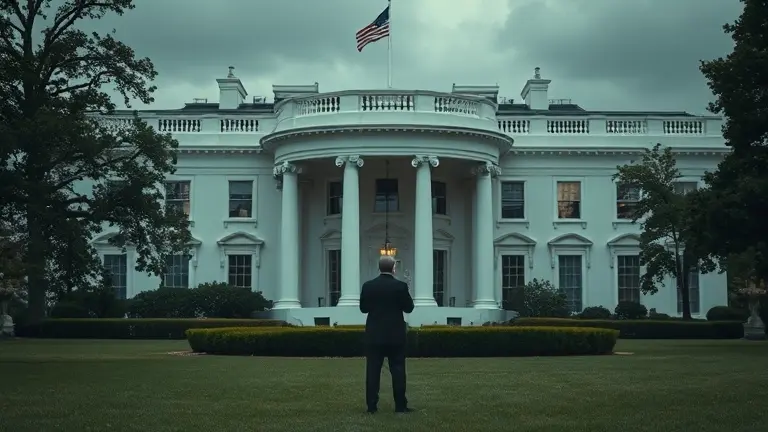
The June 14, 2026, celebration of the nation’s 250th anniversary, rebranded as ‘UFC Freedom 250’ on the White House South Lawn, was marketed as the ultimate fusion of populist entertainment and state power. Yet, in the 48 hours following the event, the festive facade has crumbled, revealing a volatile and potentially catastrophic security failure. Recent FBI disclosures confirming a thwarted terror plot involving explosive-laden drones have transformed the narrative from a birthday spectacle into a high-stakes investigation of systemic vulnerability and profound institutional breakdown.
Behind the headlines lies a deepening, dangerous rift between FBI Director Kash Patel and the Secret Service. Reports of friction over operational security versus public transparency protocols have ignited a firestorm in Washington, signaling a fundamental shift in how the current administration manages critical infrastructure and event safety. As the investigation deepens, the focus must shift from the pageantry of the event to the stark reality of how internal agency conflicts are obscuring the truth about our nation’s most vulnerable moments.
From Celebration to Crisis: The Truth Behind UFC Freedom 250
The June 14, 2026, UFC Freedom 250 event was designed to be a landmark spectacle, blending the celebration of President Donald Trump’s 80th birthday with the nation’s 250th anniversary on the White House South Lawn. What began as a high-profile demonstration of populist entertainment and executive pageantry, however, rapidly devolved into a national security crisis. The transition from celebration to chaos occurred in the blink of an eye following the sudden, public confirmation of an averted terror plot that sought to utilize explosive-laden drones to target the dense gathering.
The Security Breach Narrative
The shift in public perception was immediate as details regarding the investigation emerged. While the White House initially marketed the event as a celebration of American resilience, reports later confirmed the following:
- Suspects in Custody: FBI Director Kash Patel confirmed the apprehension of five individuals, including 19-year-old Tycen Proper, who were reportedly in the advanced stages of executing a drone-based attack.
- Operational Friction: Tensions have surfaced between the Secret Service and the FBI, with reports indicating that the Secret Service preferred to keep the investigation under wraps for operational security, while the FBI moved to disclose the threat publicly.
- Protocol Vulnerabilities: The event’s open-air nature on federal grounds created a unique White House security protocol challenge, raising questions about the feasibility of shielding high-value targets from aerial threats in such an exposed environment.
The aftermath has forced a reckoning regarding the blending of state functions with large-scale entertainment. While President Trump initially expressed uncertainty regarding the specific details of the plot, the reality of the situation has cast a long shadow over the event. The UFC Freedom 250 drone plot serves as a stark reminder of the evolving threats facing the executive branch and underscores the persistent internal agency conflict that currently defines the administration’s security posture. As investigations continue, the incident remains a critical case study in the risks associated with transforming the seat of American government into a venue for massive public spectacles.
The FBI vs. Secret Service: Anatomy of an Institutional Rift
The aftermath of UFC Freedom 250 has exposed a burgeoning fracture within the U.S. federal security apparatus, specifically between the FBI and the Secret Service. While the event was intended as a celebratory milestone on the White House South Lawn, the discovery of an alleged drone-based terror plot has transformed the narrative into a case study of internal agency conflict. Reports indicate that the Secret Service favored a policy of operational silence to maintain the integrity of their ongoing investigation, while FBI Director Kash Patel opted for a proactive, public announcement of the arrests—including the detainment of 19-year-old Tycen Proper.
Procedural Norms and Tactical Disconnects
The friction centers on a fundamental disagreement regarding the timing of threat disclosures. Standard White House security protocol dictates that protective intelligence is typically held back until an investigation reaches a point where public safety is no longer contingent on secrecy. By unilaterally choosing to publicize the plot, Director Patel challenged traditional departmental boundaries, leading to accusations that the announcement compromised tactical intelligence gathering.
Key areas of contention include:
- Information Siloing: The Secret Service allegedly felt blindsided by the FBI’s announcement, which bypassed the established inter-agency clearance process.
- Operational Integrity: Security experts argue that prematurely revealing an active investigation can warn unapprehended conspirators, effectively stalling deeper surveillance efforts.
- Political Optics vs. Protection: The administration’s blending of high-profile entertainment with government functions created a unique tension, where the need to project stability clashed with the reality of an evolving security threat.
This public-facing discord suggests a broader, systemic communication breakdown within the current administration. As investigations into the UFC Freedom 250 drone plot continue, the dispute serves as a stark reminder of how institutional competition can complicate national security, particularly when high-stakes political events invite unprecedented civilian activity onto protected federal grounds.
White House Security Protocol Under Scrutiny

The staging of UFC Freedom 250 on the White House South Lawn marked a radical departure from traditional executive security doctrine. Historically, the South Lawn is treated as a highly controlled, restricted zone where protective measures prioritize the physical exclusion of unauthorized aerial and ground assets. By hosting a mass-spectacle civilian entertainment event, the administration necessitated a shift in White House security protocol, moving from a model of total isolation to a complex, multi-layered defense strategy required to manage large, dense crowds while maintaining proximity to the executive residence.
Vulnerabilities in the New Security Paradigm
The emergence of an alleged terror plot involving explosive-laden drones has exposed critical vulnerabilities in this transition. Intelligence reports indicate that the attempt to balance public-facing populist events with rigorous protection created a unique set of risks that traditional protocols were not originally designed to mitigate. Key factors contributing to this heightened vulnerability include:
- Aerial Surveillance Gaps: The transition to an open-air, high-traffic venue created potential blind spots for automated counter-drone systems, as signal interference from thousands of spectator devices complicates the identification of malicious hardware.
- Crowd Density Challenges: Integrating civilian crowds into the inner perimeter complicates rapid evacuation procedures, potentially overwhelming established Secret Service response time requirements.
- Visibility vs. Protection: The choice to prioritize event optics—allowing live, high-resolution media broadcasting—potentially provided threat actors with detailed situational awareness of the event’s layout.
As investigations into the UFC Freedom 250 drone plot continue, the tension between maintaining these high-profile public engagements and ensuring the integrity of federal grounds remains the central point of contention. The internal agency conflict between the FBI and the Secret Service regarding the timing of threat disclosures suggests that the protocols governing these events are currently in a state of flux, necessitating a thorough reevaluation of how the executive branch balances governance with mass entertainment.
Populism and Governance: The Microcosm of Freedom 250
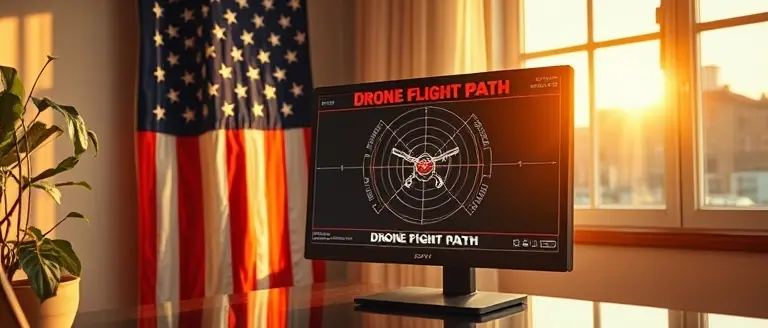
The UFC Freedom 250 event, staged on the White House South Lawn to commemorate both a presidential milestone and the nation’s 250th anniversary, serves as a defining case study for the current administration’s fusion of populist spectacle and executive governance. By transforming the executive mansion into an arena for high-stakes professional sports, the administration signaled a departure from traditional state decorum, prioritizing mass-market engagement and optics over the rigid security protocols historically associated with the residence. This shift represents a broader trend in the Trump White House: an intentional blurring of the line between private entertainment and the sanctity of government-held space.
Security vs. Spectacle: A New Institutional Era
The logistical gamble taken for this celebration highlights the growing tension between modern populist outreach and the necessity of White House security protocol. By hosting an open-air event of this magnitude, the administration challenged the Secret Service to maintain safety in a venue that is inherently vulnerable to the very threats the UFC Freedom 250 drone plot later materialized. Critics argue that the decision to prioritize the aesthetic of a packed, televised lawn event fundamentally compromised the defensive posture of the grounds.
- Risk-Tolerance Evolution: The willingness to invite civilian crowds into active conflict zones for potential aerial threats suggests a pivot toward a high-risk, high-reward communication strategy.
- Institutional Strain: The fallout between Kash Patel and the Secret Service suggests that inter-agency trust is being tested by political agendas.
- Normalization of Unconventionality: This event confirms that traditional institutional boundaries are increasingly viewed by the current executive branch as impediments to populist momentum rather than essential safeguards.
Ultimately, the events surrounding June 14, 2026, suggest that when government functions are subservient to branding, the burden on national security agencies increases exponentially. The incident serves as a stark warning: when the optics of popularity become the primary driver of administration policy, the margin for error in protecting the nation’s most symbolic infrastructure effectively disappears.
Cutting Through the Institutional Fog
The attempted drone attack on the Freedom 250 event has exposed a dangerous fracture within the nation’s security architecture. When agencies like the FBI and the Secret Service clash over the timing and nature of public disclosures, the American public is left navigating a labyrinth of conflicting narratives. This institutional friction, compounded by the administration’s unconventional use of federal grounds for populist spectacle, necessitates a higher standard of public scrutiny and analytical clarity.
In an era of rapid-fire disclosures and complex institutional conflicts, the ability to maintain sharp focus and clear judgment is the most important asset an investigator can have. Whether you are tracking the timeline of these security failures or attempting to synthesize the nuances of federal policy shifts, mental fatigue is the primary enemy of the truth. This is where The Brain Song becomes an essential tool for your cognitive toolkit.
By leveraging a neuro-scientific approach to clearing mental clutter, The Brain Song helps you transcend the chaos of modern news cycles. It is designed to act as a force multiplier for your analytical capabilities, ensuring you maintain the stamina required to cut through bureaucratic noise and identify the facts that truly matter. It is time to treat your cognitive performance with the same rigor you apply to your research.
 Optimize your analytical focus for the next major security briefing by starting your 12-minute Brain Song routine today.Transform My Focus Now!