

When Luca Zidane stepped onto the pitch against Argentina in the 2026 FIFA World Cup, he wasn’t just facing Lionel Messi; he was stepping into a cinematic, high-stakes irony that only the world of football could conjure. As the son of the legendary French icon Zinedine Zidane, Luca’s decision to represent Algeria as their starting goalkeeper has ignited a firestorm of global discourse. While the 3-0 loss to Argentina will dominate the headlines, the true story lies beneath the surface of the scoreline. It is a narrative of identity, the relentless pressure of a famous surname, and the technical journey from the hallowed grounds of the Real Madrid academy to the international stage.
For any athlete, managing the crushing weight of public expectation is the ultimate challenge. Yet, for Luca, that challenge is amplified by the inescapable shadow of his father’s history. This transition from a promising youth prospect to an international starter represents a profound evolution in how second-generation players navigate their professional trajectories. To understand his performance, we must look beyond the match reports and examine the psychological armor required to perform when every save—or error—is weighed against a legacy that spans decades.
The Full-Circle Moment: Luca Zidane vs. Argentina at the 2026 World Cup
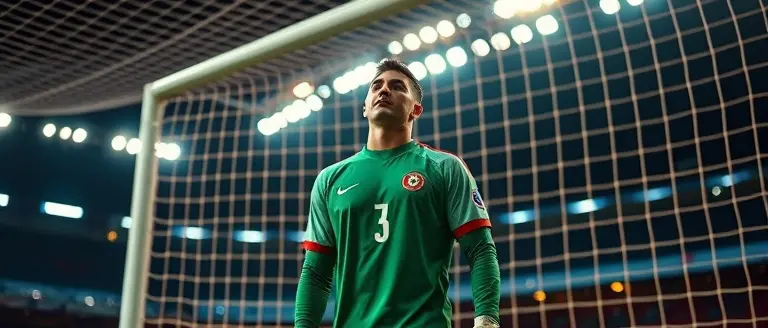
The 2026 FIFA World Cup group stage clash between Argentina and Algeria transcended the typical tournament narrative, becoming a global spectacle centered on the Zinedine Zidane son legacy. For millions of viewers, the sight of Luca Zidane standing in the Algerian goal against an Argentina side captained by Lionel Messi felt like a haunting echo of past football history. The irony was palpable: while his father famously conquered international football with France, Luca found himself at the center of a defensive trial by fire, tasked with stopping a historic offensive juggernaut in his debut World Cup cycle.
A Trial by Fire: The Tactical Challenges
The 3-0 defeat was more than a scoreline; it was a brutal introduction to the pressures of elite international competition. Analyzing the match, several key tactical factors contributed to the result:
- Defensive Exposure: The Algerian backline struggled to manage the movement of the Argentine attack, leaving Luca frequently isolated.
- The Messi Factor: Despite the Algeria goalkeeper’s efforts, Lionel Messi’s clinical precision—culminating in a hat-trick—proved insurmountable.
- The “Spilled Shot” Incident: High-profile scrutiny intensified after a late-match spill, with pundits debating how much of the performance was due to individual nerves versus systemic defensive fragility.
Social media discourse surged following the match, as fans and analysts alike fixated on the psychological burden placed upon the younger Zidane. Being the offspring of a footballing icon is a complex endeavor, but playing for an Algeria national team that is carving its own identity adds a layer of geopolitical and emotional weight. This fixture cemented the curiosity surrounding Luca Zidane’s career trajectory, shifting the focus from his lineage to his viability as a top-tier international goalkeeper. Ultimately, this “full-circle” moment served as a stark reminder of how football legacies are tested, often in the most unforgiving theaters on earth.
Beyond the Surname: Luca Zidane’s Development at Real Madrid

While the global spotlight often fixates on his father, Zinedine Zidane, Luca Zidane forged his own path through the rigorous ranks of La Fábrica, Real Madrid’s world-renowned youth academy. Entering the system at a young age, Luca did not benefit from a simplified journey; rather, he faced the intense scrutiny of being the Zidane son in a club where expectations are perpetual. His technical foundation was built under the guidance of elite coaching staff who prioritized ball distribution and reflex training, traits that remain the hallmark of his current playstyle. During his tenure at Madrid, Luca developed the composure required to play out from the back, a necessary evolution for a modern goalkeeper operating in high-pressure defensive structures.
Technical Proficiency and La Fábrica Training
The development trajectory of the current Algeria goalkeeper was defined by consistent exposure to high-level match scenarios, including stints with Real Madrid Castilla. His training focused on:
- Distribution Accuracy: Learning to initiate attacking transitions under significant pressing intensity.
- Shot-Stopping Reflexes: Refining short-range reaction times, a skill tested extensively during his recent appearances on the international stage.
- Positional Discipline: Developing the tactical intelligence to manage the defensive line, a requirement for any prospect hoping to succeed in professional environments.
Though observers frequently reference his famous surname, his transition to the Algerian national team highlights an independent athletic trajectory. Unlike many prospects who rely on pedigree alone, Luca’s technical growth reflects years of institutional training at one of the world’s most demanding clubs. By examining his formative years, it becomes clear that his international call-up is a result of refined technical habits developed long before his 2025 debut. While critics may focus on the emotional narrative of the 2026 World Cup, his professional foundation remains deeply rooted in the elite, systematic instruction he received during his critical developmental years in Spain.
Tactical Breakdown: Facing the World Champions
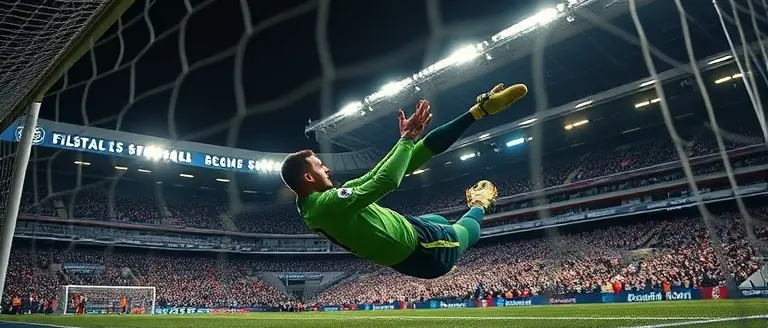
The 3-0 defeat against Argentina in the 2026 FIFA World Cup served as a brutal baptism of fire for Luca Zidane. While the final scoreline suggests a complete defensive collapse, a tactical analysis of the match reveals that the Algeria goalkeeper was frequently left exposed by a porous defensive structure. Facing the world champions required elite shot-stopping and rapid decision-making, yet the Algerian backline’s tendency to play a high defensive line against a clinical transition attack proved catastrophic.
Defensive Vulnerabilities and Positioning
Throughout the match, the Algerian center-backs struggled to track the dynamic movement of the Argentine forwards, often leaving Zinedine Zidane’s son to handle high-pressure one-on-one scenarios. Tactical gaps were particularly evident during the buildup to the goals, where:
- Isolated Situations: Zidane was forced to commit early, a high-risk strategy that elite strikers like Lionel Messi exploited with precise finishing.
- Distribution Under Duress: Forced to play out from the back, Luca faced an aggressive Argentine press. His inability to find short outlets under this sustained pressure led to turnovers in dangerous zones, directly contributing to the goals conceded.
- Shot-Stopping Consistency: While his distribution was hampered, his shot-stopping was scrutinized following reports of him “spilling a shot” that resulted in a rebound finish.
The tactical reality for the Algeria goalkeeper was that he was tasked with compensating for a team strategy that lacked the necessary discipline to stifle world-class talent. Despite the criticism surrounding the 3-0 loss, it is essential to note that the sheer volume of high-quality chances created by Argentina would have tested any veteran, let alone a keeper recently integrated into the national setup. The match highlights that for Luca Zidane, success at the international level will depend as much on his defensive line’s organization as it does on his own technical development in the box.
The Second-Generation Shift: Luca Zidane and the New Wave of International Eligibility

The emergence of Luca Zidane as the starting goalkeeper for the Algerian national team highlights a growing trend in global football: second-generation stars forging unique international identities independent of their parents’ celebrated legacies. While Zinedine Zidane remains an iconic figure in French football history, the decision by his son to represent Algeria in the 2026 FIFA World Cup signals a shift toward a more nuanced interpretation of dual citizenship and heritage. This move, while unexpected by some casual observers, is backed by FIFA’s evolving eligibility regulations, which increasingly accommodate players who possess ancestral ties to a nation even if they were raised in a different footballing ecosystem.
Understanding the Eligibility Path
The discourse surrounding Luca Zidane Algeria eligibility touches on the complexities of modern international recruitment. For players in Luca’s position, the path is often driven by a combination of professional necessity and a personal desire to reconnect with ancestral roots. Unlike the rigid systems of the past, contemporary football allows for players to declare for nations where they hold citizenship through descent, even after appearing for youth teams of other nations.
Key factors driving these decisions include:
- Strategic Career Development: Securing a primary role in a national squad that values the experience gained in elite training environments, such as the Real Madrid academy.
- Cultural Connection: Embracing familial heritage to foster a sense of belonging that transcends the pressure of living under a globally famous surname.
- Global Exposure: Utilizing the international stage to redefine one’s professional profile, separate from the shadows cast by legendary parents.
This trend is changing the international landscape, moving away from purely geographic loyalty toward a model that prioritizes personal heritage. As Zinedine Zidane’s son continues his career, his choice serves as a blueprint for other dual-nationals balancing the weight of a famous lineage with the individualistic requirements of a professional goalkeeper’s journey.
Mastering the Mental Game
Luca Zidane’s path serves as a poignant reminder that talent is only half the equation in elite sports; the true differentiator is the ability to maintain unwavering mental clarity amidst a storm of external noise and history. Whether standing in front of a goal during a World Cup or navigating the high-pressure environment of your own professional and personal life, the capacity to protect your focus is your greatest asset. High-stakes performance requires more than just physical skill—it demands a refined cognitive edge.
Just as elite athletes require absolute mental sharpness to navigate the high-stakes environment of a World Cup, maintaining your own cognitive edge in daily life is essential for overcoming your personal challenges. This is where The Brain Song becomes an indispensable tool. By leveraging science-backed, neuroscience-based auditory stimulation, it helps you silence the mental noise and enhance your focus, effectively mirroring the elite conditioning used by professionals to block out distractions and perform under pressure.
Integrating this sophisticated, daily 12-minute routine into your life bridges the gap between the pressure you face and the peak performance you desire, providing the clarity necessary to achieve your personal goals. Elevate your cognitive resilience and take command of your own focus today.
 Unlock your peak cognitive performance and silence the mental noise with a 12-minute daily routine—click here to start your transformation.Transform My Life Today