
The atmosphere at Boston Stadium on June 16, 2026, was nothing short of electric as Norway stepped onto the FIFA World Cup pitch for the first time since 1998. The highly anticipated Norway vs Iraq opening match of Group I served as more than just a return to the global stage; it was a definitive statement of intent from the Nordic side. All eyes were locked on Erling Haaland, whose performance did not merely meet expectations—it shattered them. With two clinical goals in a dominant 4-1 victory, Haaland underscored his status as the premier striker of his generation, turning the spotlight on Norway as a legitimate contender to watch as they navigate the tournament.
Yet, beyond the Haaland headlines, the match offered a fascinating tactical blueprint for Norway’s 2026 World Cup path. By exposing critical defensive gaps in Iraq’s formation, Norway demonstrated a newfound depth and structural discipline that extends far beyond their superstar duo of Haaland and Ødegaard. As fans and analysts dissect the lingering impact of this win, the narrative is shifting from a simple victory to a serious projection of how far this evolved Norwegian squad can advance into the knockout stages.
Norway vs. Iraq: A Historic Return to the World Cup Stage
The June 16, 2026, opening match of Group I at Boston Stadium was more than just a standard fixture; it represented a monumental homecoming for Norway in the FIFA World Cup 2026. After a staggering 28-year absence from the tournament, Norway’s return to the world stage was met with immense anticipation. The atmosphere inside the stadium was electric, as thousands of traveling fans witnessed their nation compete in the World Cup for the first time since 1998. This clash against Iraq served as the perfect backdrop for a new generation of Norwegian talent to announce their arrival on the global stage.
Tactical Dominance and the Haaland Factor
The 4-1 victory for Norway underscored the team’s evolution under current management, blending disciplined defensive structure with a lethal attacking transition. While the defensive unit faced early pressure, they remained resilient, allowing their star power to dictate the match flow. Key takeaways from the performance included:
- Erling Haaland’s Impact: The superstar striker lived up to the massive pre-match hype, netting two clinical goals that highlighted his physical superiority and finishing instincts.
- Midfield Control: Norway’s ability to transition from defense to attack quickly neutralized Iraq’s defensive gaps, consistently creating numerical advantages in the final third.
- Emotional Momentum: For a nation waiting nearly three decades, securing a decisive win in the opener provides a critical psychological boost for the remainder of their group stage path.
This convincing win proves that Norway is not merely a participant but a legitimate contender looking to leave a mark on the tournament. As the team moves forward, the tactical maturity shown against Iraq suggests they have the depth required to push deep into the knockout stages, provided they maintain this high-intensity output throughout their Norway World Cup 2026 path.
Erling Haaland’s World Cup Debut: Stats and Impact
The long-awaited Norway World Cup return finally culminated at Boston Stadium on June 16, 2026, and the narrative was defined by a singular, dominant force: Erling Haaland. In his highly anticipated debut against Iraq, the superstar striker justified the global hype by netting two clinical goals, effectively dismantling the Iraqi defensive line. This 4-1 victory for Norway was more than just a Group I opener; it was a statement of intent from a nation absent from the tournament for 28 years. Haaland showcased his elite positioning and composure, proving that his transition from club dominance to the international stage is seamless. His ability to exploit gaps in Iraq’s defensive structure provided the tactical edge Norway required to secure early momentum.
Analyzing the Performance Metrics
Beyond the scoreboard, the Erling Haaland World Cup stats 2026 reflect a player who is currently operating at the peak of his physical and tactical powers. His impact during the match against Iraq serves as a benchmark for what opponents should expect throughout the group stages. Key takeaways from his performance include:
- Clinical Finishing: Haaland converted two of his three shots on target, demonstrating an efficiency rate that remains among the highest in the tournament.
- Tactical Gravity: His constant movement drew multiple defenders, which consistently opened space for his teammates, including Ødegaard, to operate in the final third.
- Match Influence: As confirmed by FIFA officials, his ‘Man of the Match’ performance was pivotal in dictating the tempo of the game after an early defensive lapse by Norway.
This performance establishes a high bar for the remainder of the competition. As Norway looks toward the knockout stages, the synergy between Haaland’s finishing and the team’s creative engine will remain the primary focus for analysts and opposing managers alike. With his current form, Haaland is not merely a goal-scorer but the focal point of a rejuvenated Norwegian squad aiming for a deep tournament run.
The Path Forward: Assessing Norway’s Knockout Stage Potential

Following their dominant 4-1 victory in the Norway vs Iraq opener at Boston Stadium, the national team has sent a clear message that their 28-year absence from the global stage is officially over. While the headline remains Erling Haaland and his clinical two-goal performance, the tactical discipline displayed by Norway provides a promising blueprint for the Norway World Cup 2026 path. By utilizing a fluid 4-3-3 formation, Norway demonstrated an ability to transition rapidly from defense to attack, a necessity for competing against elite nations in the knockout rounds. The synergy between midfield playmakers and the frontline suggests that Norway is not merely a one-man team but a cohesive unit capable of stretching defenses across the pitch.
Strategic Strengths and Roster Depth
Beyond the individual brilliance of Haaland, Norway’s success in Group I hinges on their defensive transition and midfield control. Analysts have noted that the team’s ability to recover possession high up the field against Iraq disrupted the opposition’s rhythm, a tactic that will be vital against technically gifted opponents in the later stages. Key factors influencing their trajectory include:
- Midfield Cohesion: Martin Ødegaard continues to act as the primary engine, dictating the tempo and creating space for secondary attackers.
- Defensive Resilience: The backline showed composure under pressure, effectively minimizing Iraq’s counter-attacking threats throughout the 90 minutes.
- Tactical Flexibility: Head coach Ståle Solbakken has built a system that allows for quick adjustments, ensuring the team remains compact when defending leads.
As the tournament progresses, the focus will shift toward whether this squad can maintain its intensity against higher-ranked nations. If Norway sustains this level of tactical efficiency, they possess a realistic potential to reach the quarter-finals and beyond. The momentum gained from their opening win has significantly boosted team morale, providing the psychological edge necessary for deep tournament success. Moving forward, continued reliance on their tactical structure rather than individual moments of brilliance will be the ultimate barometer for their World Cup aspirations.
Tactical Breakdown: How Norway Overwhelmed the Opposition
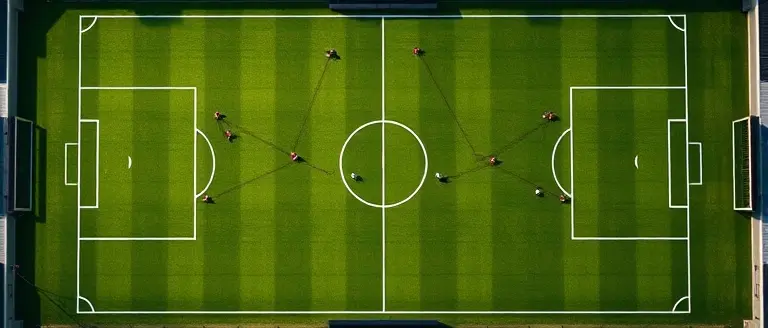
In the opening match of Group I at Boston Stadium, Norway showcased a sophisticated tactical evolution that finally reconciled their historic return to the Norway World Cup stage with modern, high-pressing football. The coaching staff implemented a fluid 4-3-3 formation that prioritized rapid vertical transitions, effectively bypassing the Iraqi midfield press. By leveraging deep-lying playmakers, Norway successfully stretched the Iraqi defensive line, forcing the opposition to commit to wide areas and leaving significant gaps in the central channels for their attackers to exploit.
Exploiting the Half-Spaces and Haaland’s Gravity
The most effective element of Norway’s strategy was the intentional use of Erling Haaland as both a primary goal threat and a tactical decoy. Haaland’s movement forced the Iraqi central defenders to remain deep and narrow, which opened up the half-spaces for surging runs from the midfield. This tactical nuance created constant indecision in the Iraqi backline, as defenders were forced to choose between tracking the superstar striker or closing down the secondary waves of Norwegian attackers.
Key takeaways from the tactical execution include:
- Midfield Superiority: Norway utilized a double-pivot system during defensive phases that transitioned into an aggressive box-midfield when attacking, ensuring numerical superiority in transition.
- Overlapping Fullbacks: By encouraging wide players to push high, Norway forced Iraq into a compact low block, which ultimately led to defensive fatigue and individual errors in the second half.
- Haaland’s Positioning: Haaland consistently occupied the center-backs, creating pockets of space for Ødegaard to dictate play and deliver the incisive passes that led to the clinical 4-1 victory.
The evidence suggests that Iraq’s defensive structure struggled with Norway’s intensity in wide areas. As the tournament progresses, teams facing Norway will need to find a way to mitigate their transition speed, as their current ability to collapse the defensive line remains the primary driver of their newfound dominance.
Maintaining Your Elite Edge During the 2026 World Cup
As Norway’s journey in Group I gains momentum, the intensity of the 2026 World Cup only grows. Following every tactical breakdown, injury report, and post-match analysis requires the same high-octane focus and metabolic efficiency that elite athletes like Erling Haaland utilize to dominate the pitch. Sustaining peak mental and physical clarity is essential for any dedicated fan wanting to stay ahead of the game.
Just as Haaland relies on optimal metabolic efficiency to sustain his explosive speed throughout ninety minutes, you can unlock your own natural fat-burning potential to keep your energy levels high during long, grueling match-days. CitrusBurn is designed to bridge that gap, providing a natural, stimulant-free metabolic boost that mimics the sustained, high-level performance expected from top-tier athletes. It is the ultimate tool for those who demand consistency in their daily energy, ensuring you never miss a critical update or live-action highlight.
By integrating CitrusBurn into your routine, you are choosing to optimize your own performance, mirroring the same dedication to efficiency that defines professional soccer. Don’t let fatigue sideline your experience—harness the power of metabolic optimization and stay sharp for every moment of the tournament.
 Ready to sustain your focus and energy like a world-class striker? Discover how to optimize your metabolic performance with CitrusBurn today.Transform My Energy Now!