
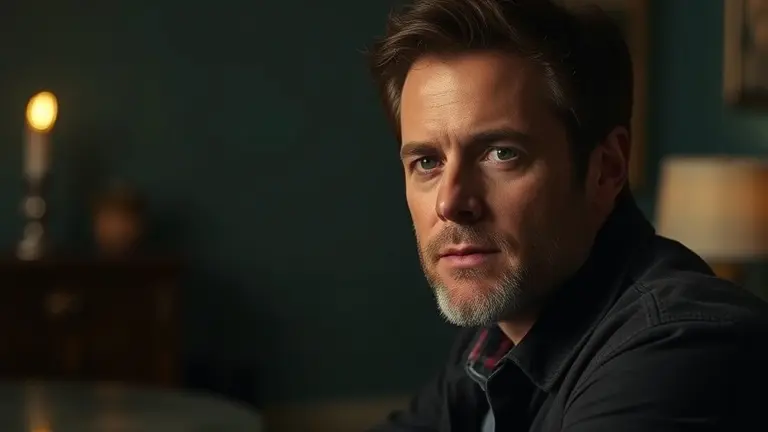
In the rapidly evolving landscape of modern television, few names hold the same enduring weight as Luke Perry. Years after his passing in 2019, his influence remains a focal point for those examining the transformation of the ‘teen heartthrob’ archetype. Rather than fading into the background of 90s nostalgia, Perry’s career trajectory—marked by his iconic turn as Dylan McKay and his transformative final role as Fred Andrews—has become a masterclass in professional longevity and artistic evolution.
As we navigate the streaming era, where digital archives allow new generations to encounter his work alongside seasoned fans, we find ourselves looking deeper into what made Perry such a vital screen presence. It is this act of deep, analytical engagement that connects his past to our present-day media consumption. By tracing the arc of his professional journey, we uncover not just the story of an actor, but the evolution of storytelling itself.
Reflecting on such complex narratives requires a level of mental clarity and sustained focus that is increasingly difficult to maintain in a world of constant digital distraction. As we delve into the nuances of Perry’s legacy, we must also consider the health of the cognitive focus that allows us to appreciate the cultural depth of these timeless stories.
The Everlasting Legacy: Why Luke Perry Remains a Cultural Touchstone in 2026
Even as we move further into 2026, the cultural footprint of Luke Perry remains remarkably stable, defying the typical decline in relevance often seen by stars of the late 20th century. This enduring presence is not merely a result of cyclical nostalgia but a testament to how streaming ecosystems on platforms like Paramount+ and Netflix have institutionalized his work. By anchoring two defining eras of teen-oriented television—first as the brooding Dylan McKay on Beverly Hills, 90210 and later as the grounded, moral center of Riverdale—Perry effectively bridged the gap between Gen X and Gen Z audiences. His career serves as a connective tissue in television history, allowing modern viewers to discover his early work through the lens of his later, more seasoned performances.
The Streaming Effect on Perpetual Stardom
The continuous availability of his filmography on major streaming services ensures that Luke Perry is introduced to new cohorts of viewers daily. Unlike pre-digital eras where performances were locked in syndication cycles, the current on-demand landscape treats his catalog as evergreen content. This accessibility has transformed his status from that of a “90s heartthrob” to a quintessential television fixture whose influence is continuously re-evaluated. Evidence suggests that this digital persistence creates a “loop” of engagement, where audiences finish a modern series and seek out the formative roles that defined the actor’s craft.
Key factors contributing to his sustained relevance include:
- Generational Continuity: Serving as a cross-generational bridge between the original Beverly Hills, 90210 audience and the younger demographic of Riverdale.
- The Mentor Archetype: His portrayal of Fred Andrews solidified his image as a reliable, paternal figure, which resonated deeply with modern audiences seeking authenticity in television portrayals.
- Digital Discovery: Streaming algorithms prioritize high-quality legacy dramas, keeping his projects in active rotation for new subscribers.
- Stylistic Evolution: His ability to transition from a teen idol to a character actor allowed him to maintain a professional reputation that appeals to both casual fans and critics alike.
Ultimately, his legacy is not stagnant. It remains a dynamic component of the American entertainment landscape, maintained by a combination of artistic versatility and the unrelenting reach of modern digital archives.
From Dylan McKay to Fred Andrews: The Evolution of the TV Heartthrob

The career trajectory of Luke Perry serves as a fascinating case study in the maturation of the television archetype. In the early 1990s, Perry became a global phenomenon as Dylan McKay on Beverly Hills, 90210. As the quintessential “bad boy with a heart of gold,” Dylan established the blueprint for the moody, leather-jacket-clad protagonist who wrestled with internal demons and societal expectations. This role did not merely launch a career; it defined the aesthetic of the 90s teen drama. Perry’s ability to inject vulnerability into a stoic character allowed the audience to connect with a figure who was otherwise inaccessible.
Bridging Generational Divides
Decades later, his casting as Fred Andrews in Riverdale marked a sophisticated pivot in his professional identity. Moving from the troubled youth to the moral compass of the series, Perry leveraged his lived experience to portray a father figure who was both grounded and inherently empathetic. This shift allowed him to capture the attention of two distinct generations:
- Generation X and Millennials: These viewers experienced a profound sense of nostalgia, witnessing the man they idolized in the 90s evolve into a relatable parental figure who stood for integrity in a chaotic fictional world.
- Generation Z: Younger audiences were introduced to his screen presence through the modern lens of Riverdale, where he served as a stabilizing force against the series’ supernatural and dramatic excesses.
By transitioning from the icon of youthful rebellion to the face of steady, unwavering mentorship, Perry successfully bypassed the “typecasting trap” that often plagues teen idols. His work as Fred Andrews provided a masterclass in subtlety, proving that an actor’s range is best measured not by the roles they repeat, but by how they redefine the meaning of “heartthrob” as they age. This evolution solidified his legacy as a bridge between eras, ensuring that his influence remains a cornerstone of modern television studies.
The Unsung Roles: Looking Beyond the Icon
While the cultural consciousness largely remembers Luke Perry for the smoldering intensity of Dylan McKay and the grounded fatherhood of Fred Andrews, a deeper examination of his filmography reveals a performer of remarkable range. Perry’s career was marked by a deliberate effort to pivot away from the limitations of the “teen idol” archetype, leading him to explore voice acting, gritty television dramas, and stage theater. These “hidden gems” showcase a versatility often overlooked in standard biographical retrospectives, proving that his artistic ambitions extended far beyond the high school hallways of West Beverly High or the dark mysteries of Riverdale.
Versatility in Voice and Gritty Drama
Perry utilized his distinct, resonant voice to venture into animation, allowing him to inhabit characters that bore little resemblance to his live-action personas. His contributions to the animation industry were significant and showcased a flair for character acting that surprised many critics. Furthermore, his willingness to tackle challenging, adult-oriented television highlighted his commitment to craft over mainstream celebrity status. Notable examples of these diverse performances include:
- Voice Acting: He brought life to Rick Jones in the 1996 The Incredible Hulk animated series and made memorable guest appearances in projects like Scooby-Doo! Mystery Incorporated, demonstrating an ability to pivot seamlessly into the world of voice-over work.
- The Gritty Turn in Oz: Perhaps one of his most daring professional choices was his recurring role as Jeremiah Cloutier in the HBO prison drama Oz. This performance stripped away his heartthrob image entirely, forcing audiences to confront his capabilities as a nuanced character actor in a high-stakes, violent setting.
- Stage Performance: Beyond the camera, Perry took to the stage, including a notable run as Brad Majors in the Broadway production of The Rocky Horror Show. This transition underscored his theater background and his enduring desire to remain a working actor in the truest sense of the word.
By moving through these varied mediums, Luke Perry proved that his legacy is defined not just by his two most famous roles, but by a consistent, decades-long pursuit of professional growth. Exploring these secondary projects provides a richer, more accurate understanding of the man behind the icons, solidifying his status as a talented veteran of the screen rather than a fleeting cultural artifact.
Mentorship and Influence: Perry’s Impact on the Next Generation of Actors

While Luke Perry achieved global stardom as the brooding Dylan McKay on Beverly Hills, 90210, his final career chapter on Riverdale revealed a different side of his legacy: the seasoned mentor. As he transitioned from 90s teen idol to the father figure of Fred Andrews, Perry became a stabilizing force for the show’s younger ensemble cast. Colleagues frequently noted that he brought an “old-school” work ethic to the set, characterized by punctuality, script preparation, and a profound respect for the craft of acting—traits that helped ground the high-octane, social-media-focused production environment of modern television.
Bridging the Professional Divide
Perry served as a bridge between two distinct eras of teen-oriented drama. His ability to navigate the shift from the pre-digital fame of the early 90s to the instant-access culture of the late 2010s provided the Riverdale cast with invaluable perspective. According to anecdotes from co-stars like K.J. Apa and Cole Sprouse, Perry did not operate as a distant veteran; instead, he actively engaged in their professional development, offering guidance on handling the pressures of sudden, intense public scrutiny.
His mentorship was characterized by:
- Quiet Leadership: Prioritizing the ensemble’s needs over individual spotlight, reinforcing the importance of collaborative storytelling.
- Professional Discipline: Maintaining a standard of excellence that encouraged younger actors to take their roles seriously despite the often fantastical nature of their scripts.
- Authenticity Coaching: Helping newer performers remain grounded in their characters’ emotional truths, ensuring that performances remained relatable rather than purely performative for social media engagement.
Evidence from production testimonies suggests that Luke Perry viewed his role on Riverdale not just as a job, but as an opportunity to pass the torch. By fostering a culture of humility and focus, he helped ensure that the next generation of actors remained professional under the glare of global fame. His influence continues to resonate in the career trajectories of his former co-stars, serving as a lasting testament to a man who prioritized mentorship as highly as his own craft.
Carrying the Legacy Forward with Sharp Mental Focus
Luke Perry’s journey from a breakout teen icon to a respected mentor figure is a testament to the power of growth, consistency, and professional integrity. As we look back on his filmography, we aren’t just remembering a face from the past; we are engaging with a legacy that continues to shape how we view television and character development today. This deep-dive reflection is more than just entertainment—it is an intellectual exercise that allows us to connect disparate eras of pop culture.
To truly appreciate these layered cultural narratives in our fast-paced, high-distraction world, maintaining sharp mental clarity is essential. Just as we analyze the endurance of Luke Perry’s career and the mental effort required to appreciate the nuances of his evolving roles, it is essential to consider the health of our own cognitive focus. Whether you are revisiting your favorite 90s episodes or exploring the breadth of his independent work, your mind deserves the support to process every detail with precision.
This is where The Brain Song becomes an indispensable companion to your reading and viewing habits. Designed to enhance focus and provide vital support for long-term cognitive clarity, this tool helps you stay engaged, sharp, and attentive to the stories that define our history. By integrating it into your daily routine, you aren’t just consuming media—you are elevating the way you process the world.

Reclaim your focus and dive deeper into the stories that matter; experience the cognitive benefits of The Brain Song for your daily reading routine.