
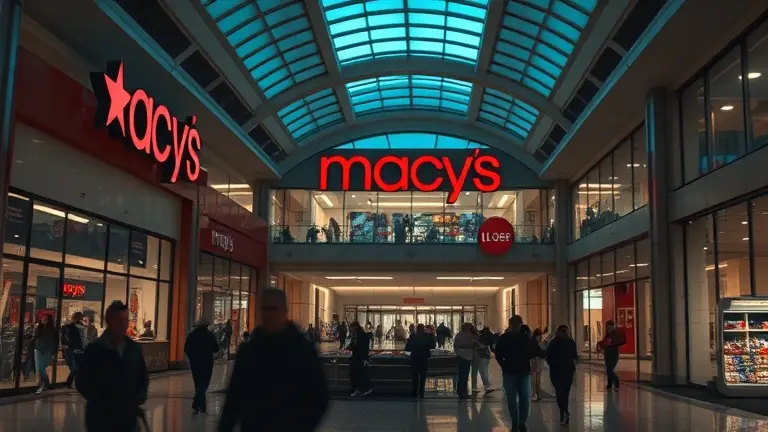
The retail landscape in the Allegheny Valley is bracing for a significant shift as the community prepares for the Macy’s Pittsburgh Mills closing. With the official announcement confirming the store will shutter permanently on April 26, 2026, residents are looking at the end of a 21-year chapter for the Frazer, Pennsylvania complex. This move, part of a massive national corporate consolidation effort, has sparked widespread local conversation about the future of the mall and the broader economic implications for our neighborhood.
As the final days of operation approach, it is clear that this is more than just a retail vacancy. It is a reflection of the evolving nature of American shopping centers and the ongoing challenges of maintaining a vibrant commercial core. Many local residents are now questioning what this departure means for the long-term health of the Pittsburgh Mills complex, the surrounding property values, and the overall convenience of our local retail environment.
While the future of major commercial anchors remains uncertain, many local residents are choosing to focus their resources on projects that increase the value and comfort of their own homes. By shifting our focus from the instability of local retail to the potential within our own walls, we can take meaningful steps toward property revitalization and personal self-reliance in the face of broader economic flux.
Macy’s Pittsburgh Mills: Closing Details and Timeline
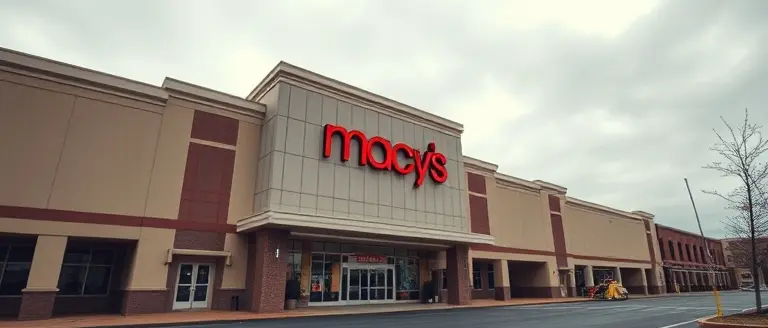
The retail landscape in Frazer, Pennsylvania, is set for a significant shift as Macy’s Pittsburgh Mills prepares to shutter its doors permanently. Following an official announcement on April 12, 2026, the company confirmed that the location will cease all operations on April 26, 2026. This rapid two-week timeline marks the conclusion of a 21-year tenure for the retailer, which has served as a primary anchor tenant at the mall since the complex first opened its doors in 2005. For local residents and frequent shoppers, the closing represents the end of an era for a store that has been a cornerstone of the regional retail environment for over two decades.
A Component of National Consolidation
This closure is not an isolated event but is instead a direct result of a broader corporate strategy initiated by the New York City-based retail giant. Macy’s is currently in the process of shuttering approximately 150 underperforming locations across the United States throughout the 2026 calendar year. The decision to exit the Pittsburgh Mills property aligns with the company’s push to optimize its physical footprint, move away from traditional large-format department stores, and pivot toward its newer, smaller-format concepts.
Key details regarding the transition include:
- Official Closure Date: All final operations and transactions will conclude on April 26, 2026.
- Strategic Context: The move is part of a nationwide initiative to consolidate 150 underperforming stores to improve overall operational efficiency.
- Legacy Impact: As an anchor since 2005, the departure leaves a massive vacancy that heightens existing concerns regarding the long-term viability and occupancy challenges of the Pittsburgh Mills mall complex.
While the community prepares for the final days of the store, the closure serves as a stark reminder of the shifting dynamics in American brick-and-mortar retail. The loss of such a significant anchor tenant leaves questions regarding the future utilization of the space and the potential economic ripple effects for the surrounding Frazer area.
The Domino Effect: Assessing the Future of Pittsburgh Mills
The confirmed Macy’s Pittsburgh Mills closing on April 26, 2026, serves as more than just a corporate liquidation event; it represents a significant structural challenge for the Frazer, Pennsylvania retail corridor. As a primary anchor tenant that has anchored the site since 2005, Macy’s provided a critical psychological and logistical draw for the mall. The loss of such an anchor typically initiates a “domino effect” in large-scale shopping centers. When a high-traffic destination closes, the cumulative foot traffic for the entire complex often declines, which in turn diminishes the revenue potential for smaller, inline retailers that rely on the secondary traffic generated by anchor-seeking shoppers.
Impact on Mall Viability and Retail Synergy
The long-term sustainability of the Pittsburgh Mills complex now faces increased scrutiny. Retail analysts observe that when a major tenant departs, the mall’s “co-tenancy clauses”—agreements that allow smaller stores to renegotiate leases or exit if an anchor closes—often become triggered. This creates a volatile environment where the vacancy rate can spiral if proactive management is not immediately implemented.
Key concerns regarding the future of the mall include:
- Foot Traffic Erosion: The loss of the Macy’s destination reduces the “reason to visit” for regional shoppers, potentially impacting the survival of surrounding restaurants and specialty stores.
- Property Value Pressures: As an anchor vacancy persists, the perceived value and attractiveness of the site to potential new commercial tenants may decrease.
- Retail Transformation: The departure highlights the ongoing national trend where legacy department stores are struggling to compete with the Macy’s small-format strategy, such as the newer “Bloomie’s” or smaller storefront models that prioritize efficiency over massive square footage.
Ultimately, the closure forces stakeholders to question the mall’s current identity. Without the consistent pull of a 21-year anchor, the property may need to pivot toward mixed-use development, entertainment-based attractions, or non-traditional retail spaces to remain relevant in a post-department store landscape. The community now waits to see how ownership plans to fill the substantial void left by this national consolidation effort.
Retail Accessibility and Local Property Implications
The permanent closure of Macy’s at Pittsburgh Mills on April 26, 2026, marks more than just the end of a 21-year tenure; it signals a significant shift in the retail landscape of Frazer and the broader Allegheny Valley. For local residents, the departure of a long-standing anchor tenant raises valid concerns regarding retail accessibility and the potential for a localized “retail desert.” As the mall faces ongoing challenges with occupancy and foot traffic, the loss of a major department store often creates a ripple effect, potentially impacting surrounding property values and the perceived viability of the regional commercial corridor.
Assessing the Local Economic Impact
While the immediate convenience of shopping for mid-to-high-tier apparel and home goods will diminish, the regional economy is not without alternatives. Residents are currently evaluating how this transition will reshape local spending habits. Key considerations for the community include:
- Retail Consolidation: Consumers are increasingly shifting toward neighboring hubs, such as the Waterworks Mall or the various lifestyle centers closer to the Pittsburgh metropolitan core, which may offer more robust amenities.
- Property Tax and Valuation: As anchor tenants vacate, the tax base for the surrounding municipality may face pressure, forcing local officials to re-examine the zoning and redevelopment potential of large-scale retail footprints.
- Infrastructure Sustainability: With a large vacancy at Pittsburgh Mills, there is increased pressure on developers to reimagine the space for mixed-use or non-retail purposes to prevent long-term stagnation.
Evidence suggests that when major anchors depart, the immediate vicinity often experiences a temporary decline in property desirability. However, Frazer’s strategic location along the Route 28 corridor provides a unique advantage. If the property can be repurposed to accommodate experiential retail or medical offices, the “retail desert” effect may be mitigated. For now, homeowners and local business owners should monitor how the Pittsburgh Mills mall ownership plans to fill the substantial void left by Macy’s as part of the retailer’s nationwide 150-store consolidation strategy.
What Happens Next: Redevelopment Potential for Frazer
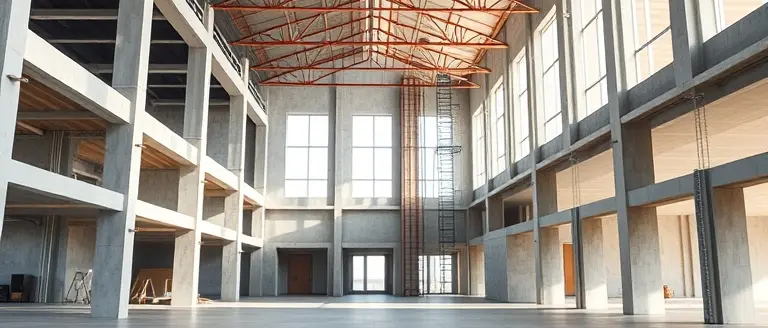
The permanent closure of Macy’s at Pittsburgh Mills on April 26, 2026, marks the end of a 21-year tenure as a primary anchor tenant. While the departure is part of a broader national consolidation strategy affecting 150 Macy’s locations, it leaves a significant void in the Frazer retail landscape. Local officials and stakeholders are now facing a critical turning point: determining how to revitalize a massive footprint that was originally designed for traditional department store operations. Historically, when large-scale anchors vacate suburban malls, the space often remains dormant unless there is a shift toward adaptive reuse.
Across the United States, struggling retail centers have successfully pivoted by reimagining empty anchor stores as diversified community hubs. Rather than waiting for a direct retail replacement, regional developers are increasingly opting for high-traffic, non-retail uses. Potential strategies for the Pittsburgh Mills mall redevelopment could include:
- Healthcare and Wellness Centers: Converting the square footage into outpatient surgical clinics or specialized medical offices, which provide consistent daily foot traffic.
- Mixed-Use Residential Units: Integrating apartment complexes or senior living facilities to create a “live-work-play” environment that sustains surrounding local businesses.
- Entertainment and Recreation Hubs: Repurposing the structure for indoor sports complexes, e-sports arenas, or expanded community recreational facilities that cater to the needs of Frazer residents.
- Education and Workforce Training: Utilizing the footprint for technical training centers or satellite collegiate classrooms to support the local economy.
Ultimately, the future viability of the Pittsburgh Mills complex depends on the property owners’ ability to move away from the traditional, siloed retail model. For local residents, this transition is about more than just filling a store vacancy; it is an opportunity to reclaim a major piece of municipal real estate for public interest. As the community moves past the immediate impact of the Macy’s closing, public discourse will be essential in shaping a redevelopment plan that aligns with the evolving needs of the Greater Pittsburgh area. Evidence from similar mall transitions suggests that proactive municipal engagement is the strongest predictor of a successful economic rebound.
Taking Personal Control of Your Home’s Value
The closing of Macy’s at Pittsburgh Mills reminds us that the commercial landscape is constantly in flux. While we cannot always control the occupancy of our local shopping centers, we can certainly exert total control over the value, comfort, and aesthetics of our own personal property. In times of local economic uncertainty, investing in your home is one of the smartest and most reliable hedges you can make.
Rather than waiting for the mall to rebound, many homeowners in Frazer and the surrounding areas are turning to hands-on renovation to enhance their living spaces. This is where Ted’s Woodworking becomes an essential partner in your journey toward community self-reliance. Whether you are looking to build custom furniture, upgrade cabinetry, or create functional home additions, you need the technical certainty that professional-grade resources provide.
By using the right plans, you eliminate the costly trial-and-error that plagues typical DIY projects, ensuring your home investments provide professional results that truly stand the test of time. Take control of your home’s value—get access to 16,000 professional workshop-tested plans and start your own revitalization project today. When you improve your home, you improve your future, regardless of what happens with the retail landscape outside your door.

Take control of your home’s value—get access to 16,000 professional workshop-tested plans and start your own revitalization project today.
Get Access Now