
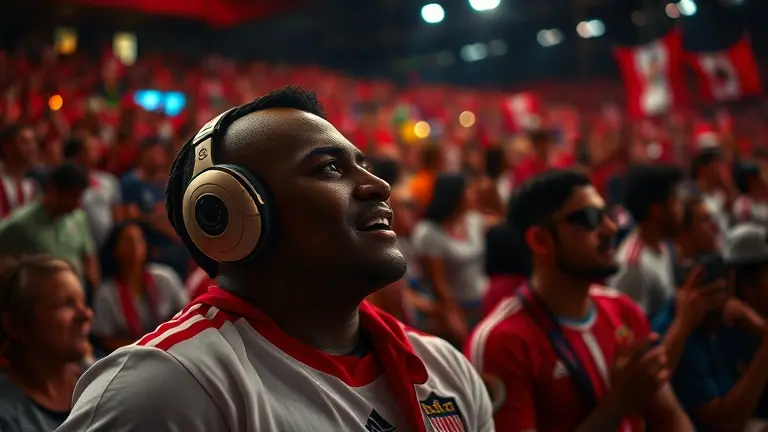
The 2026 FIFA soccer world cup has transformed North America into a high-octane epicenter of global sports, and as of June 16, the intensity is palpable. With the historic 48-team format in full effect, the tournament has moved beyond mere expectations, delivering stunning upsets like Cape Verde’s masterclass against Spain and highlighting the grueling physical reality of this expanded competition. While the world tracks the standings, a quieter, more personal narrative is unfolding: the endurance test faced by the thousands of fans crisscrossing the continent.
For the dedicated supporter, the dream of witnessing the beautiful game is met with the reality of rapid city-to-city transit and the mental strain of relentless, high-stakes matchdays. Navigating the sheer geographic scale of this tournament requires more than just a ticket; it demands peak metabolic performance to conquer the mid-day energy crashes that threaten to turn your front-row seat into a haze of exhaustion. Staying sharp is no longer optional—it is the secret to ensuring you never miss a historic moment as the tournament marches toward the final.
The 2026 FIFA World Cup: A Historic Turning Point in North American Soccer
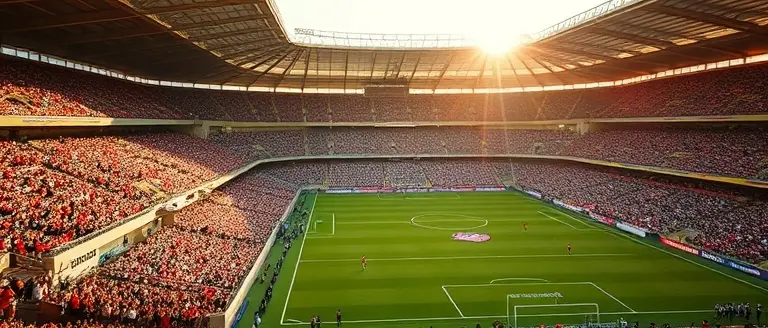
As of June 16, 2026, the FIFA soccer world cup has transformed the North American sporting landscape, ushering in an era defined by unprecedented scale and intensity. This tournament marks the historic debut of the 48-team format, a bold expansion that has effectively decentralized the traditional power structures of international football. By spreading matches across host cities in the United States, Canada, and Mexico, organizers have created a logistical marvel that brings the global game closer to diverse fan bases than ever before. The atmosphere in stadiums and designated fan zones is electric, reflecting a genuine cultural shift in how North American audiences engage with the beautiful game.
Emerging Parity and Title Defense
The expanded field has already delivered on the promise of heightened competitiveness, effectively narrowing the gap between perennial powerhouses and rising challengers. A prime example of this newfound parity occurred during the group stage when Cape Verde stunned spectators and analysts alike by securing a resilient draw against soccer giant Spain. This result serves as a microcosm of the 2026 tournament, where tactical discipline and defensive grit are allowing underdog nations to challenge established hierarchies.
While the field is wider, the elite standard remains high. Argentina has demonstrated clinical efficiency in its quest to defend its title, showcasing the composure expected of reigning champions. Key takeaways from the tournament’s opening stretch include:
- Expanded Competition: The 48-team bracket has increased the number of high-stakes matches, providing a broader platform for nations that historically struggled to qualify.
- Tactical Depth: Emerging squads are utilizing sophisticated defensive blocks to neutralize star-studded rosters, leading to tighter margins and more unpredictable scorelines.
- Host City Integration: Daily operations across cities like Los Angeles and Arlington highlight the massive scale of the tournament, with local economies and community watch parties fueling a vibrant tournament ecosystem.
As the tournament moves toward the knockout rounds, all eyes remain on whether the fatigue induced by the new format will favor the deep rosters of tournament favorites or continue to empower rising dark horses.
Tactical Breakdown: How Cape Verde Exposed the Gaps in Elite Defenses

The 2026 FIFA soccer World Cup has shattered the illusion of an insurmountable gap between global titans and emerging nations. Cape Verde’s masterclass against Spain serves as a blueprint for tactical discipline, proving that structured, low-block defensive setups can neutralize even the most fluid attacking systems. By utilizing a compact 5-4-1 formation, the Cape Verdean side effectively funneled Spanish playmakers into congested central channels, forcing repetitive lateral passing and stripping the game of its usual verticality.
The Anatomy of the Upset
Cape Verde’s tactical success hinged on three specific strategic pillars that exposed vulnerability in Spain’s elite defensive transition:
- Triggered Pressing: Instead of a full-pitch press, the team waited for specific technical markers—such as a poor first touch or a back-to-goal receipt by a Spanish midfielder—to swarm the ball carrier.
- Width Denial: By maintaining rigid horizontal lines, they forced the ball wide, where they utilized full-backs as auxiliary wingers to stifle crosses.
- Exploitative Transitions: Utilizing blistering pace from the flanks, Cape Verde prioritized immediate long-ball transitions the moment possession was regained, bypassing the midfield entirely to target the space behind Spain’s high defensive line.
This evolution in match quality is a direct byproduct of the expanded 48-team format. The current FIFA soccer World Cup structure provides a larger, more prestigious stage for “underdog” nations to implement sophisticated, research-backed tactical systems that were previously relegated to regional qualifiers. Evidence suggests that as teams adapt to the physical toll of a compressed group stage, these disciplined defensive structures become even more potent. Elite squads are finding that without total technical perfection, their individual brilliance is increasingly stifled by well-drilled, unified defensive units capable of executing high-intensity, low-risk tactical maneuvers for the full 90 minutes.
The Global Village: Fan Stories from the Road to MetLife
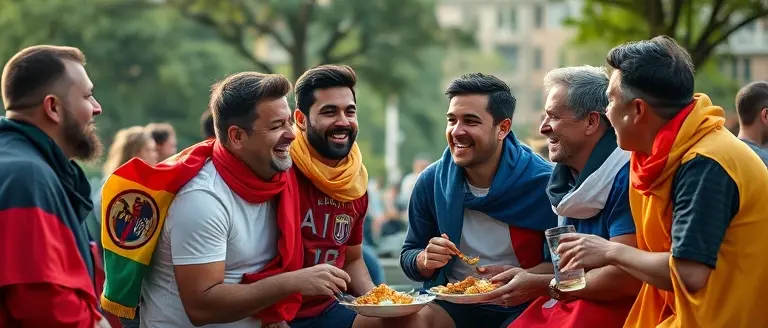
Beyond the tactical shifts of the expanded 48-team bracket, the 2026 FIFA soccer world cup has transformed American host cities into vibrant, temporary homes for millions of international travelers. This tournament is not merely a collection of high-stakes matches; it is a massive human migration. Fans from every corner of the globe have descended upon cities like Los Angeles, Kansas City, and Arlington, creating a unique “Global Village” atmosphere. For many supporters, the emotional investment goes far beyond the 90 minutes on the pitch, as they navigate the logistical complexities of domestic travel to follow their national teams on the winding road to the final at MetLife Stadium.
Cultural Crossovers and Local Engagement
The true essence of this tournament is found in the impromptu gatherings within fan zones, where cultural exchange flourishes. Expatriate communities have become vital hubs, hosting meetups that provide a sense of home for visiting supporters. Whether it is a Cape Verdean fan sharing local customs with residents in a Texas suburb or Argentine supporters turning downtown squares into makeshift arenas, these interactions define the legacy of this World Cup.
Consider the following trends emerging from the ground level:
- Nomadic Support: Unlike previous editions, the sheer geography of the North American host nations requires fans to become logistics experts, often coordinating long-distance rail or air travel between group stage venues.
- Community Integration: Local businesses in host cities are reporting significant spikes in engagement as fans seek authentic experiences, moving away from purely commercial tourist traps to neighborhood-level cultural immersion.
- Shared Experiences: Through social media and community watch parties, fans are documenting a more collaborative tournament environment, where rivalries are secondary to the collective awe of experiencing the world’s biggest sporting event on North American soil.
As the tournament progresses toward the July 19 final, these narratives of personal endurance and intercultural connection serve as a powerful reminder of the unifying potential of the sport. The logistical hurdles are significant, yet the determination of global fans to witness history remains the true heartbeat of the 2026 competition.
Decoding the 48-Team Bracket: Your Guide to the Road to the Final
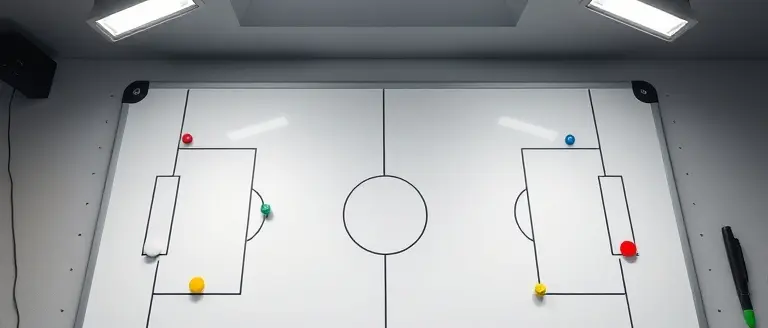
The expanded format of the 2026 FIFA soccer world cup introduces a unique structural challenge for fans accustomed to the traditional 32-team format. With 48 nations competing, the group stage has transitioned into 12 groups of four teams each. This structural shift is designed to increase match volume and global representation, but it also creates a complex path toward the July 19 final at MetLife Stadium. To advance, the top two finishers in each group automatically qualify for the Round of 32. However, because of the enlarged field, the remaining eight slots are filled by the highest-ranked third-place teams, making every single point earned during the group stage—like Cape Verde’s tactical draw against Spain—vital for survival.
Navigating the Path to the Knockout Rounds
Understanding the knockout bracket is essential for tracking how underdogs influence the tournament’s landscape. As teams transition from group play to a straight single-elimination format, the margin for error disappears. The logic follows a rigid path: winners of group matches are slotted into specific brackets, meaning that a surprise win by a lower-seeded team can fundamentally alter the perceived “easier” side of the draw.
- Round of 32: The first stage of elimination, where the intensity shifts as high-profile teams face potential early exits.
- Round of 16: The elite tier where the tournament favorites typically test their depth against rising challengers.
- Quarterfinals and Semifinals: The pressure mounts as tactical fatigue becomes a critical factor for players navigating the high-stakes, multi-city logistics of the North American host environment.
- The Final: The ultimate showdown at MetLife Stadium, which represents the pinnacle of the tournament’s journey.
Casual viewers should note that the 48-team structure intentionally rewards consistency. A single draw or a narrow loss no longer signals an immediate exit, provided a team maximizes its point tally to qualify as one of the best third-place finishers. This volatility keeps the tournament competitive, ensuring that even as the field narrows toward the closing stages in July, the quality of play remains at a world-class standard.
Beyond the Pitch: The Electric Atmosphere of Official Fan Zones
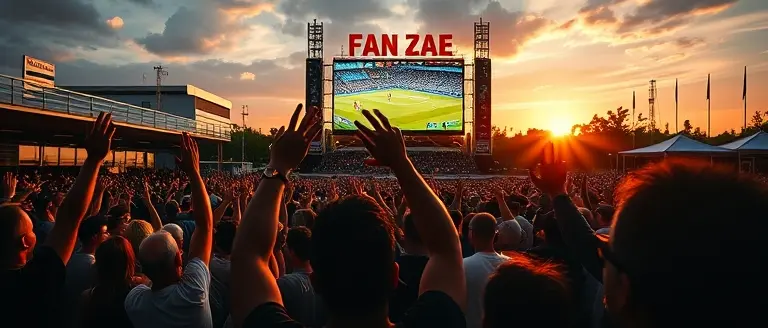
While the high-stakes matches inside stadiums dominate headlines, the true heartbeat of the 2026 FIFA soccer world cup is currently resonating within the official Fan Zones scattered across North America. These designated hubs have transformed public parks, downtown plazas, and waterfronts into massive, high-energy cultural epicenters. Unlike the controlled environment of a match venue, these zones offer a raw, communal experience where the tournament’s international spirit truly takes flight. As thousands of fans from disparate backgrounds gather under the summer sun, these spaces act as global melting pots, proving that the FIFA World Cup is as much about the human connection outside the arena as it is about the tactical battles on the grass.
The Transformation of Public Space
Host cities from Los Angeles to Kansas City have curated these environments to emphasize inclusivity and high-definition spectacle. The visual storytelling within these zones is defined by a sea of jerseys representing all 48 teams, creating a kaleidoscopic display of national pride. Key elements defining this experience include:
- Mass Participation: Giant LED screens provide a stadium-like viewing experience, capturing collective gasps during near-misses and eruptive celebrations during goals.
- Cultural Crossover: Authentic food stalls and pop-up musical performances turn these zones into embassies for the competing nations, fostering deep engagement between expatriate communities and local residents.
- Technological Integration: While security remains a priority, evidence suggests that the focus has shifted toward interactive fan experiences, such as augmented reality soccer challenges and real-time social media walls that track viral sentiment.
As the tournament progresses toward the July 19 final at MetLife Stadium, these Fan Zones continue to mitigate the logistical pressures on stadiums by providing accessible, safe, and engaging environments for the massive influx of international visitors. They are not merely supplemental viewing areas; they are the primary venues for the “Tournament Economy” to manifest, as local vendors and global brands converge to capture the attention of a passionate, globalized audience. For the casual viewer and the die-hard ultra alike, these public squares serve as the most authentic, unfiltered reflection of the 2026 tournament’s historic scale and ambition.
Power Your Tournament Experience
As the 2026 FIFA World Cup progresses, it is clear that the true winners are not just the teams on the pitch, but the fans navigating this historic, cross-continental marathon. Whether you are trekking between host cities or enduring back-to-back match days, maintaining your focus is essential to witnessing history firsthand. You did not travel this far to lose your edge to fatigue or brain fog.
Keeping pace with the tournament across multiple time zones is a challenge, but staying energized through every match and city transition is the real key to never missing a moment of the action. Sugar Defender acts as your essential fan endurance tool, keeping your metabolic health optimized so you remain fully present for every historic play.
By stabilizing your energy levels and preventing the dreaded afternoon crash, this supplement allows you to channel your focus into the thrill of the game, rather than the exhaustion of the journey. Do not let fatigue dictate your tournament experience; invest in the mental clarity and physical stamina needed to celebrate every goal from the opening group stages to the final at MetLife Stadium.
 Support your tournament journey and stay energized for every match—click here to stabilize your energy levels with Sugar Defender.Boost My Energy for the World Cup Now!