

The ground beneath Tokyo trembled on June 16, 2026, as a 5.5 magnitude earthquake served as a stark reminder of life in the Pacific Rim. While the city’s infrastructure held firm, the event sent a ripple of anxiety through both the local and international communities. For foreign nationals living in Japan, this seismic activity highlights a critical realization: staying informed through official channels is only the first layer of defense. In response to these ongoing risks, the Japanese government has updated its ‘Basic Plan for a Tokyo Megaquake,’ placing a new, urgent focus on multilingual preparedness. But while government alerts provide the warning, the responsibility for your physical environment rests in your hands.
It is time to pivot from reactive concern to proactive action. Preparing for the next earthquake in Japan requires more than just a packed emergency bag; it demands a home that is physically hardened to withstand the force of a major tremor. By addressing the structural vulnerabilities of your apartment today, you can transform your living space from a potential hazard into a secure sanctuary. In this guide, we bridge the gap between abstract safety recommendations and tangible, DIY solutions, empowering you to implement the very reinforcements that could make all the difference when the next Tokyo earthquake strikes.
Understanding the June 16, 2026, Kanto Earthquake and New Policy Updates

On June 16, 2026, the Kanto region experienced a magnitude 5.5 earthquake that rattled residents across the Tokyo metropolitan area. While seismic activity is a frequent occurrence in the Pacific Rim, this particular event triggered significant local attention due to the depth and intensity felt throughout the capital. Despite the initial anxiety caused by the tremor, Japanese authorities confirmed that no tsunami warnings were issued, and the event served as a stark reminder of the persistent seismic risks facing the region. It is important for residents and international observers not to confuse this event with unrelated seismic activity occurring elsewhere in the Pacific, such as the 6.7 magnitude event reported in Indonesia on the same day.
Strengthening Resilience: The Revised Basic Plan
Coinciding with this seismic event, the Japanese government announced a pivotal update to its Basic Plan for a Tokyo Megaquake. This policy revision acknowledges the shifting demographics of Japan’s urban centers, specifically addressing the needs of the growing population of foreign nationals residing in the country. The updated framework shifts focus from reactive emergency management to proactive, inclusive disaster mitigation. Key pillars of the new mandate include:
- Enhanced Multilingual Alerts: Improving the speed and accuracy of real-time emergency broadcasts in multiple languages to ensure critical life-saving information reaches non-Japanese speakers immediately.
- Standardized Support Services: Establishing unified guidelines for local municipalities to provide standardized assistance, including evacuation center operations, for international residents.
- Culturally Sensitive Disaster Education: Implementing training modules that explain Japan’s unique seismic infrastructure—such as the “stay-put” safety protocols—to those unfamiliar with local building standards.
By prioritizing clear communication, the government aims to close the safety gap that often leaves foreign residents vulnerable during a large-scale disaster. This proactive approach ensures that, in the event of a future Tokyo earthquake, all individuals, regardless of language proficiency, have equitable access to government guidance, shelters, and essential relief resources.
Essential Preparedness: Building Your Emergency Kit in Japan
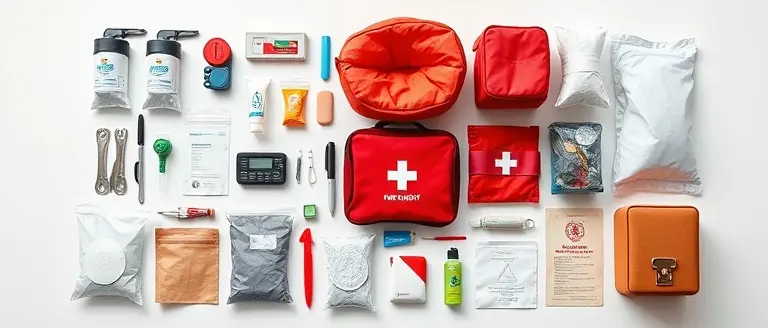
Recent seismic activity, including the Tokyo earthquake felt on June 16, 2026, serves as a vital reminder that residents must remain proactive regarding disaster readiness. Whether you are a long-term resident or a newcomer, building a comprehensive emergency “go-bag”—known locally as a bousai setto—is the most effective way to manage anxiety and ensure safety. Following the latest Japanese government updates to the Basic Plan for a Tokyo Megaquake, authorities now prioritize independent survival strategies, specifically for foreign nationals who may require multilingual resources during a crisis.
Building Your Emergency “Go-Bag”
Your emergency kit should be lightweight, easily accessible, and designed to sustain you for at least 72 hours. While many convenience stores (konbini) and home centers like Tokyu Hands or Cainz sell pre-packaged kits, customizing your own ensures you have personal essentials.
- Water and Nutrition: Aim for at least three liters of water per person. Include high-calorie, long-shelf-life rations like kanpan (hard biscuits) or vacuum-sealed energy bars.
- Sanitation Essentials: Portable toilets (keitai toire) are often overlooked but critical, as municipal water systems may fail. Include antiseptic wipes, toilet paper, and basic hygiene products.
- Documentation and Communication: Keep physical copies of your residence card, passport, and medical history in a waterproof bag. The government’s new multilingual emphasis highlights the importance of keeping a list of emergency contact numbers and downloading the “Safety Tips” app, which provides alerts in multiple languages.
- Survival Gear: A hand-crank radio with a phone charger, a powerful LED flashlight, heavy-duty work gloves, and a thermal blanket are non-negotiable.
Where to Shop and Maintain Your Kit
You do not need to purchase everything at once. Many essential items can be sourced affordably at 100-yen shops like Daiso or Seria, which maintain dedicated disaster-preparedness aisles. For specialized items like long-term water storage or professional-grade first aid, visit larger home centers. Remember to check your kit every six months, ideally coinciding with seasonal changes, to rotate food supplies and verify that battery-operated devices remain functional. By preparing today, you navigate the reality of an earthquake in Japan with confidence and practical security.
Communication Strategies: How to Stay Informed as a Foreigner

In the wake of the recent Japan earthquake that impacted the Kanto region, government authorities have underscored the critical need for improved linguistic accessibility during seismic events. For foreign nationals residing in Japan, the primary challenge during a Tokyo earthquake or any major tremor is the rapid assimilation of life-saving information. Following the 2026 revisions to the “Basic Plan for a Tokyo Megaquake,” official channels are now prioritizing multilingual alerts to ensure that non-Japanese speakers can act decisively when an earthquake in Japan occurs. To stay ahead of potential emergencies, residents should transition from relying solely on local news reports to utilizing integrated, multi-source digital alerting systems.
Essential Tools for Real-Time Alerts
Staying informed requires a proactive approach to technology. Because the Japanese government has streamlined its communication protocols, several official applications now offer real-time, translated updates that bypass the confusion often associated with general social media updates.
- NHK World-Japan App: This is the most reliable source for breaking news. It provides live updates and emergency warnings in multiple languages, ensuring you are not reliant on localized Japanese broadcasts alone.
- Yurekuru Call: Widely considered the gold standard for earthquake alerts, this app provides early warnings before the shaking starts. It is essential to configure the language settings to your preferred language immediately upon installation.
- J-Alert Smartphone Settings: Ensure your phone’s “Emergency Alerts” setting is enabled. Modern smartphones in Japan are hardwired to receive the J-Alert system, which broadcasts high-priority warnings regardless of your data usage or current app status.
- Safety Tips App: Developed by the Japan Tourism Agency, this app provides push notifications for earthquake early warnings and tsunami information in various languages, including English, Chinese, and Korean.
By curating a digital “emergency stack,” foreign residents can mitigate the anxiety caused by language barriers. These tools directly support the government’s updated directive, moving beyond reactive news cycles to provide a robust, long-term framework for personal safety during any seismic activity.
What to Expect During a Seismic Event: Safety Protocols

When a japan earthquake strikes, the most critical factor in your survival is immediate, practiced action. Whether you are in a high-rise office or a residential unit, the universal safety protocol remains “Drop, Cover, and Hold On.” As soon as the shaking begins—or you receive an early warning alert—drop to your hands and knees, crawl under a sturdy table or desk to protect your head and neck, and hold on until the movement stops. Do not attempt to run outside, as falling glass or debris from building facades poses a significant risk during a tokyo earthquake.
Identifying Safe Zones and Infrastructure
While living in a high-seismic zone often causes anxiety, it is important to remember that Japan possesses some of the world’s most advanced seismic-resistant infrastructure. Modern buildings are constructed with base-isolation technology and flexible frames designed to sway during tremors, preventing structural collapse. To ensure your safety within an apartment:
- Avoid Windows and Shelving: Stay away from floor-to-ceiling windows, glass doors, and heavy furniture that could topple.
- Secure Heavy Items: Use tension rods or adhesive mounts to secure bookshelves and wardrobes to walls before an event occurs.
- Locate Gas Shut-offs: Familiarize yourself with the location of your main gas valve; in the event of a severe tremor, turning off the gas is vital to preventing post-quake fires.
Following the recent 2026 government updates to the ‘Basic Plan for a Tokyo Megaquake,’ authorities are placing increased emphasis on ensuring that foreign nationals have access to clear, multilingual guidance. Stay updated by downloading official disaster prevention apps that provide real-time information. By focusing on these proven safety habits and trusting the resilient engineering of your environment, you can better manage the risks associated with an earthquake japan event.
Take Control: Transform Your Home into a Seismic Sanctuary
While government alerts and multilingual notifications are vital, true security is built within your four walls. Preparing for the next Japan earthquake isn’t just about waiting for a phone notification; it’s about physically hardening your living space to withstand the unexpected. By proactively securing your furniture and reinforcing your storage, you move from a state of reactive anxiety to one of quiet, calculated confidence.
This is where the right technical guidance changes everything. Instead of waiting for expensive, often unavailable contractors, you can take charge of your own safety by constructing professional-grade, custom-fitted reinforcements. With the right blueprints, you ensure that every shelf, cabinet, and heavy piece of furniture is anchored to meet the highest safety standards, giving you the peace of mind that only comes from knowing your home is structurally prepared for the next tremor.
We have curated the ultimate resource to help you execute these critical modifications with precision. Whether you are a DIY beginner or a seasoned builder, this is the essential toolkit for making your home truly secure. Don’t wait until the next warning; start your home-hardening project today to protect what matters most.
 Download these professional-grade blueprints now to begin fortifying your home and ensuring your living space is as prepared for the next tremor as you are.Secure My Home Now!