
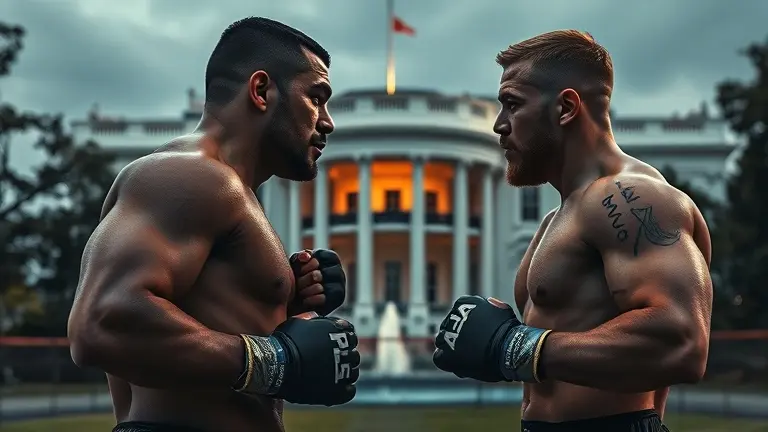
The South Lawn of the White House served as an unprecedented stage for UFC Freedom 250, but the history-making atmosphere quickly gave way to a sobering reality. In a shocking main event, Justin Gaethje dismantled Ilia Topuria, forcing a stoppage that effectively signaled the end of an era for the lightweight division. The images of Topuria’s face following the fourth round have since dominated social media, serving as a brutal, high-definition reminder of the toll elite combat sports exact on the human body.
As the dust settles on this historic night, the narrative has shifted from pre-fight anticipation to the hard truth of physical legacy. Whether it was Gaethje’s tactical mastery or the haunting imagery of a champion retiring on his stool, UFC Freedom 250 redefined our understanding of professional longevity. Beyond the spectacle, we must now confront the inevitable decline that awaits even the most dominant warriors when the bright lights of the Octagon finally dim.
UFC Freedom 250: A Historic Night on the White House South Lawn
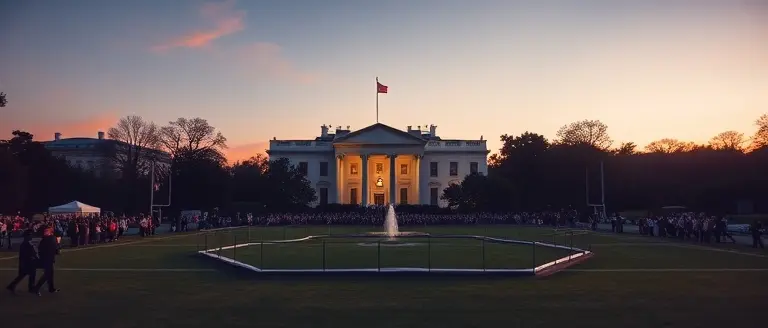
On June 14, 2026, the world of mixed martial arts reached an unprecedented milestone as the White House South Lawn hosted UFC Freedom 250. This historic event moved the sport from traditional arenas into the heart of the American political landscape, creating a unique atmosphere that merged high-stakes championship competition with national tradition. The decision to hold an undisputed lightweight title fight in such a prestigious setting signaled a massive shift in how the sport is integrated into mainstream cultural discourse, marking the first time a major combat sports card has been sanctioned on federal grounds of this magnitude.
The main event featuring Ilia Topuria vs. Justin Gaethje lived up to the gravity of the venue, though the outcome delivered a seismic shock to the MMA world. Gaethje, widely considered the underdog heading into the contest, utilized a disciplined, aggressive tactical approach that systematically dismantled the champion. Throughout the fight, spectators and analysts noted the visible damage sustained by the defending champion, with the phrase Ilia Topuria face trending globally on social media platforms like X. By the end of the fourth round, the cumulative pressure forced Topuria to retire on his stool, effectively ending his reign and cementing a massive upset victory for Gaethje.
Several factors defined the impact of this monumental evening:
- The Venue Shift: Utilizing the South Lawn redefined the logistical boundaries of professional fighting, setting a new precedent for high-profile international sports hosting.
- The Gaethje Upset: By dismantling Topuria through tactical endurance, Gaethje solidified his legacy as one of the most dangerous strikers in the division’s history.
- Visual Intensity: The physical toll—captured in widely circulated imagery of the Topuria face—became the defining aesthetic of the night, highlighting the brutal reality of the sport under the public gaze.
The aftermath of this fight now triggers a transition in the lightweight division, with the MMA community turning its attention to the retirement implications for Topuria and the future trajectory of the new champion. The legacy of UFC Freedom 250 will be remembered not only for the tactical mastery displayed by Gaethje but for its bold entry into the annals of American political history.
Justin Gaethje’s Tactical Masterclass: The Post-Fight Analysis
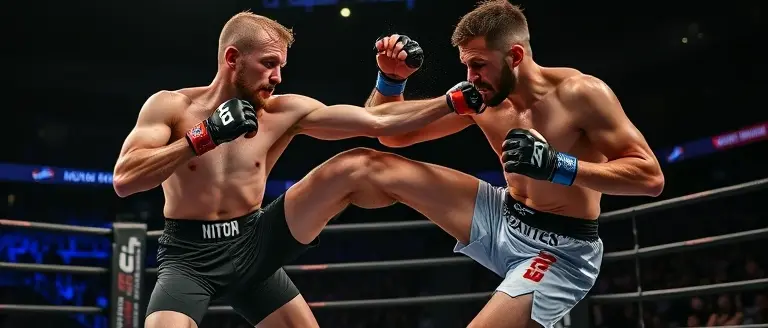
The UFC Freedom 250 main event on the White House South Lawn will be remembered as a career-defining performance for Justin Gaethje. In this Justin Gaethje UFC Freedom 250 post-fight analysis, it is clear that Gaethje’s victory was built on a deliberate, high-pressure striking strategy that systematically dismantled the rhythm of Ilia Topuria. While Topuria entered the bout as a technical powerhouse, Gaethje’s decision to prioritize distance management and punishing leg kicks effectively neutralized the champion’s explosive pocket boxing. By the third round, the cumulative impact of Gaethje’s low kicks hindered Topuria’s ability to pivot, forcing him to stand flat-footed—a tactical error that allowed Gaethje to land clean, heavy combinations at will.
Breaking Down the Strategic Shift
Gaethje’s approach relied on a “damage-first” philosophy that prioritized attrition over flash. Key tactical elements included:
- Leg Kick Volumetrics: Gaethje utilized his signature inside and outside leg kicks to compromise Topuria’s base, significantly slowing the champion’s lateral movement by the end of the second round.
- Distance Control: By maintaining a precise range just outside of Topuria’s hook reach, Gaethje forced the champion to over-extend, opening up counter-striking opportunities.
- Pressure Management: Gaethje showed incredible composure, absorbing early pressure to land devastating uppercuts that visibly impacted the Topuria face as the rounds progressed.
The sheer volume of damage sustained led to the unfortunate state of the Topuria face, which became a focal point of concern for his corner. By the time the fighters reached their respective corners after the fourth round, Topuria’s physical condition—characterized by heavy swelling and lack of response—necessitated his retirement from the fight. This victory serves as a masterclass in grit, proving that even against a technically elite fighter, a disciplined, aggressive game plan can force a champion to his breaking point.
The Brutal Reality: Examining the Physical Toll and ‘Topuria Face’

The aftermath of UFC Freedom 250 has left fight fans reeling, primarily due to the shocking visual evidence of the damage sustained during the main event. High-volume search interest regarding the Ilia Topuria face reflects the severity of the punishment handed out by Justin Gaethje. By the conclusion of the fourth round on the South Lawn, Topuria’s appearance served as a grim testament to Gaethje’s tactical efficiency. The former champion’s face showed significant swelling and deep lacerations, which became a focal point of social media discourse and medical concern immediately following the stoppage.
Understanding the Tactical Stoppage
The decision for Topuria to remain on his stool after the fourth round was not merely a matter of heart, but a calculated medical necessity. From a tactical standpoint, Gaethje’s strategy focused on consistent, high-volume pressure that systematically compromised Topuria’s defensive capabilities. Evidence suggests that the repeated impact not only affected Topuria’s visual clarity but also his ability to process incoming strikes. Key factors leading to the retirement included:
- Cumulative Trauma: Gaethje utilized a relentless jab-and-hook rhythm that caused rapid orbital swelling.
- Defensive Erosion: As the rounds progressed, the Topuria face showed the clear physical toll of missing key defensive movements, leaving him vulnerable to Gaethje’s power shots.
- Strategic Preservation: By opting not to enter the fifth round, Topuria’s corner prioritized his long-term health over a rapidly diminishing chance of victory.
This fight highlights the brutal efficiency of Gaethje, who exploited the lack of distance management from his opponent. The physical condition of Topuria serves as a sobering reminder of the elite-level violence inherent in championship bouts, ultimately marking a historic, albeit painful, shift in the lightweight division.
Ilia Topuria’s Retirement Impact and the Future of the Lightweight Division
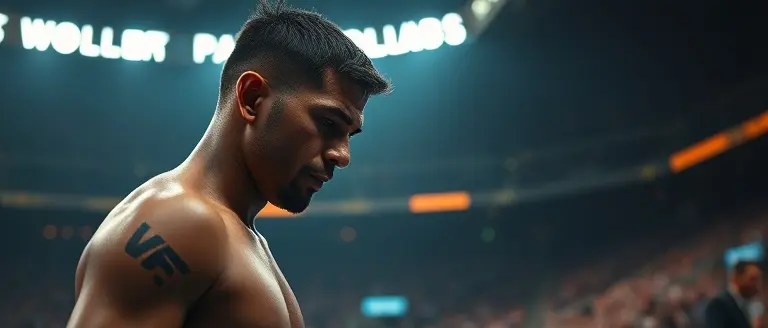
The sudden retirement of Ilia Topuria following his defeat at UFC Freedom 250 has sent shockwaves through the lightweight division, creating a vacuum at the top of one of the UFC’s most talent-rich weight classes. By choosing to retire on his stool after the fourth round, Topuria has effectively closed the book on a meteoric rise that captured the imagination of fans worldwide. While the visual of the Ilia Topuria face after the bout—marked by significant swelling and damage—highlighted the brutality of the contest, his decision to step away at the height of his career speaks to the toll required to maintain elite status. His legacy remains that of a fierce competitor who transformed the division, yet his departure necessitates an immediate restructuring of the rankings.
The impact of this retirement on the future of the lightweight division cannot be overstated, as the title landscape is now wide open. The victory for Justin Gaethje at the White House provides him with the undisputed throne and a path to cement his legacy as an all-time great. However, the division must now pivot toward new challengers:
- Divisional Parity: Without the constant presence of Topuria as the benchmark, emerging contenders will likely engage in a scramble to face Gaethje, potentially accelerating high-stakes matchups.
- Gaethje’s Legacy: This win serves as the definitive highlight of Gaethje’s career. By defeating a previously undefeated champion in such a historic venue, he has moved beyond the “entertainer” label into the realm of legendary tacticians.
- Competitive Uncertainty: The gaethje vs topuria result suggests that the lightweight class is deeper than previously thought, as the tactical adjustments employed by Gaethje proved that even the most dominant champions can be dismantled when met with elite pressure and calculated strikes.
Moving forward, the UFC will look to fill the void left by Topuria by organizing a series of eliminator fights. The Ilia Topuria retirement impact essentially turns the page on an era, forcing the organization to rely on Gaethje’s new leadership to stabilize the division while grooming the next generation of lightweights to challenge his newfound supremacy.
Securing Your Legacy Beyond the Octagon
The aftermath of the fight serves as a testament to the fragile nature of physical prime. While legends like Topuria dedicate their lives to the pursuit of championship status, the true test of a man’s strength is measured by his ability to maintain vitality long after his final professional engagement. While fighters must endure extreme tolls to define their legacy in the ring, the average man’s greatest battle is the silent, sustained pursuit of long-term health.
While fighters like Topuria focus on the physical toll of the octagon to define their legacy, every man understands that true long-term dominance requires protecting your health and vitality well after the final whistle. This is exactly why proactive care is the ultimate championship strategy for the aging male. By supporting healthy prostate function and consistent urinary flow, you can safeguard your internal performance, ensuring that your quality of life remains at peak levels for decades to come.
Protoflow acts as an essential pillar of your longevity toolkit, bridging the gap between high-octane ambition and the reality of physiological maintenance. It is time to treat your own health with the same strategic intensity as a world-class athlete preparing for the main event.
 Take control of your own long-term performance—click here to see how Protoflow is helping men maintain their peak vitality every single day.Transform My Life Today