

For the fourth consecutive week, American drivers are finally catching their breath. As of mid-June 2026, national gasoline prices have retreated from the punishing $4.56 per gallon peaks seen in May, settling closer to the $4.00 mark. While this decline—fueled by a cooling global crude market—offers a welcome reprieve for household budgets, seasoned commuters and road-trippers remain rightfully skeptical. With analysts warning that the summer season remains highly susceptible to sudden geopolitical shifts and unpredictable demand spikes, this relief may be more of a temporary lull than a permanent trend.
But playing the waiting game at the pump isn’t a strategy—it’s a gamble. Relying on market fluctuations to determine your summer freedom is stressful and financially draining. Instead of leaving your vacation plans at the mercy of global oil volatility, it is time to rethink how you spend your time and your money this season. By shifting your focus from the uncertainty of the open road to the tangible potential of your own home, you can bypass the rising costs of fuel entirely while building something that lasts long after the summer heat fades.
The Current State of US Gas Prices: A Mid-June 2026 Snapshot
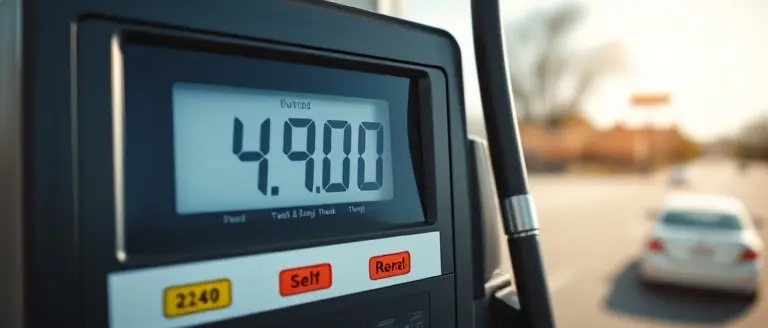
As of mid-June 2026, American motorists are experiencing a welcomed period of fiscal relief at the pump. Following a taxing climb in mid-May that saw the national average reach a high of $4.56 per gallon, we are currently witnessing a sustained downward trend. For four consecutive weeks, data from trackers like AAA and GasBuddy have confirmed a steady decline, with national averages now hovering near or just above the $4.00 per gallon threshold. This trend is a direct result of broader macroeconomic shifts, most notably a cooling in global crude oil markets. As crude prices trend closer to the $90 per barrel mark, the reduced cost of feedstock is being passed down through the supply chain, providing much-needed respite for household budgets.
Why Prices Are Dropping and What to Expect
The primary driver behind this recent price contraction is the easing of global crude oil costs. However, analysts are urging consumers to maintain a balanced perspective. While the immediate relief is tangible, the energy market remains susceptible to rapid shifts. Industry experts emphasize that while the current momentum is bearish for fuel costs, the remainder of the summer season carries significant risks.
- Geopolitical Volatility: Ongoing tensions in energy-producing regions continue to act as a potential catalyst for price spikes, should supply chains face sudden disruption.
- Seasonal Demand: Summer is historically a period of peak travel, and a sudden surge in consumer demand could quickly absorb current supply buffers, reversing the recent downward trajectory.
- Regional Variance: While the national trend is downward, local prices vary significantly due to state-level taxes, refining capacity, and distribution logistics.
Drivers should view the current sub-$4 environment with cautious optimism. While the downward trend provides a buffer for travel plans, the underlying market volatility suggests that fuel prices may remain unpredictable through August. Staying informed through real-time localized tracking tools is the most effective strategy for managing transportation costs during this period of market instability.
Why Prices Are Fluctuating: Understanding Market Volatility

The current downward trend in gas prices across the United States is primarily fueled by a softening in global crude oil markets. As of mid-June 2026, crude oil prices have retreated toward the $90-per-barrel threshold, providing much-needed relief at the pump. When the cost of refined petroleum drops, the savings are typically passed down to consumers relatively quickly, which explains why we have seen four consecutive weeks of price declines. However, while this relief is welcome for summer travelers, the energy market remains a delicate ecosystem balanced between supply-side improvements and persistent global risks.
The Tug-of-War: Supply vs. Geopolitics
Understanding market volatility requires looking at the competing forces currently shaping fuel costs. On one side, increased global production has eased the supply strain that pushed prices to mid-May peaks. On the other side, geopolitical tensions continue to serve as a “risk premium” on every barrel sold. Even with prices trending downward, analysts note that the market remains highly reactive to news cycles:
- Geopolitical Instability: Ongoing regional conflicts continue to threaten supply chains, creating an environment where a single supply disruption could trigger a rapid price reversal.
- Seasonal Demand Patterns: As the summer travel season hits its peak, demand for gasoline typically rises, which naturally puts upward pressure on prices and may offset the recent cooling effects.
- Refining Capacity: Localized issues, such as refinery maintenance or distribution bottlenecks, explain why some states are experiencing steeper drops than others, leading to significant regional price variance.
To manage expectations, consumers should view the current sub-$4.00 national average as a temporary stabilization rather than a guarantee of long-term affordability. While current trends offer a reprieve, market experts advise that the remainder of the summer will likely be defined by “cautious optimism,” where prices fluctuate in response to both macroeconomic data and unexpected international developments. Staying informed through real-time trackers remains the most effective strategy for drivers to mitigate the impact of this inherent volatility.
Your Summer Gas Survival Guide: Actionable Fuel-Saving Strategies

While the recent four-week decline in gas prices offers welcome relief for commuters and travelers alike, market analysts warn that the summer of 2026 remains subject to significant volatility. To insulate your wallet against potential spikes caused by global crude oil fluctuations or seasonal demand, adopting proactive driving habits is essential. Maximizing your vehicle’s efficiency can significantly lower your total cost of ownership, regardless of what the national average fluctuates toward.
Master Your Fuel Efficiency
Small adjustments to your driving behavior can lead to measurable improvements in your miles per gallon (MPG). Consider these high-impact strategies:
- Maintain Consistent Speeds: Rapid acceleration and aggressive braking can plummet your fuel economy by as much as 15% to 30% at highway speeds. Use cruise control when appropriate to keep engine load steady.
- Optimize Tire Maintenance: Properly inflated tires reduce rolling resistance. Checking your tire pressure monthly ensures your vehicle isn’t working harder than necessary, which can improve gas mileage by up to 3% in some cases.
- Reduce Drag and Weight: Clear out unnecessary cargo from your trunk and remove empty roof racks. A heavier vehicle requires more energy to accelerate, and aerodynamic drag from external storage significantly impairs efficiency at speeds over 50 mph.
- Minimize Excessive Idling: If you are parked or waiting for more than 60 seconds, turn off the engine. Modern engines use very little fuel to restart compared to the amount burned while idling.
Beyond these habits, leveraging technology is vital. Use real-time tracking apps like AAA or GasBuddy to find the lowest local prices before you fill up. By combining disciplined maintenance with strategic refueling, you can maintain control over your budget during a summer characterized by shifting market dynamics and geopolitical uncertainty. Always prioritize safety, but remember that efficient driving is one of the most effective ways to combat rising energy costs at the pump.
Tech-Savvy Saving: Best Tools for Finding the Cheapest Fuel
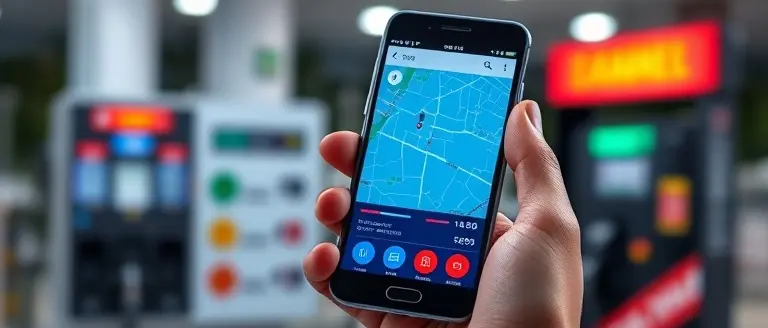
While gas prices have experienced a welcome decline over the past four weeks, regional price variances remain significant. Depending on your zip code, the cost per gallon can fluctuate by double digits due to local supply chains, state taxes, and refinery distribution logistics. To combat these inconsistencies, leveraging real-time data is the most effective way to protect your wallet during the summer travel season. Utilizing digital resources allows you to move beyond passive observation and take an active role in managing your fuel expenditures.
Top Digital Resources for Real-Time Pricing
To ensure you aren’t overpaying, consider integrating these tools into your pre-trip planning:
- GasBuddy: This crowd-sourced platform is essential for identifying the absolute lowest prices in your immediate vicinity. By tapping into a network of millions of users, the app provides real-time updates on price changes at stations across your route.
- AAA Gas Prices: Utilizing their official online portal or mobile app provides reliable, verified data. It is particularly useful for tracking broader state-level trends and understanding how geographic location impacts your bottom line.
- Google Maps & Waze: These navigation tools now feature integrated fuel-price overlays. Before you start your engine, check your route to see if it is cheaper to refuel in a neighboring county or city where fuel taxes may be lower.
Strategic refueling is about more than just finding a cheap station; it is about geographic awareness. Prices often drop as you move away from high-traffic urban centers or tourist-heavy corridors. By using these apps to plan your refueling stops, you can effectively mitigate the impact of market volatility. Even when national averages hover near $4.00, identifying a station just a few miles off the highway could save you several dollars per tank. Always prioritize these tools before long drives to ensure your budget remains intact despite unpredictable summer market trends.
Reclaiming Your Summer Freedom at Home
While staying informed about gas prices is a necessary part of modern budgeting, the smartest move for your wallet this summer is to reduce your dependency on long-distance travel. The current market outlook suggests that while we may enjoy a brief window of lower fuel prices, the specter of volatility remains. Why spend your hard-earned income fighting the rising costs of road trips when you can redirect those funds toward a more rewarding, permanent investment in your own living space?
This is where the true power of a home-based summer strategy comes into play. By pivoting toward DIY projects, you eliminate the unpredictable variables of gas price hikes and travel inflation, transforming potentially stressful downtime into a productive, skill-building experience. Rather than burning cash behind the wheel, you can spend your weekends mastering your home workspace and creating custom furniture pieces that add genuine value and satisfaction to your life.
Ted’s Woodworking offers the ultimate solution for those looking to swap road-trip uncertainty for the certainty of a completed project. With an extensive library of professional plans, you can turn your garage or backyard into a creative sanctuary, gaining a sense of self-sufficiency that no road trip could ever provide. Take control of your time, reclaim your summer budget, and build a lasting legacy starting right now.
 Reclaim your summer budget and build something lasting—explore these 16,000 professional plans to master your home workspace this season.Transform My Summer Today!