
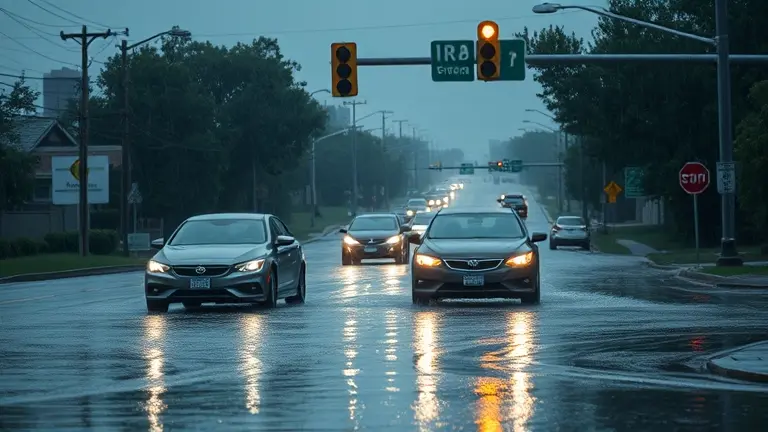
Urgent Alert: Central Texas is currently under high-alert status this morning, June 15, 2026, as heavy rainfall—reaching up to 6 inches in isolated sectors—triggers widespread Flash Flood Warnings across San Antonio and Austin. Driven by a volatile combination of deep Gulf moisture and a summer cold front, this weather system is moving quickly and poses a severe risk to early morning commuters. With memories of the devastating floods exactly one year ago still fresh in our minds, the current situation demands absolute caution; if you encounter standing water, please remember to “Turn Around, Don’t Drown.”
We are maintaining this live, hyper-local feed to bridge the gap between official National Weather Service alerts and the reality on the ground. As road conditions shift rapidly, our focus is to provide you with the most actionable data available, including verified road closures, dangerous low-water crossings, and real-time updates on warning expiration times. Please treat all flooded roadways as hazardous, prioritize your personal safety, and monitor this page for the latest updates as we navigate this critical weather event together.
Active Flash Flood Emergency: San Antonio and Austin Metro Area

As of the morning of June 15, 2026, the San Antonio weather landscape has reached a critical state of emergency. A powerful combination of abundant Gulf moisture and a slow-moving summer cold front has stalled over Central Texas, unleashing intense rainfall across the region. Meteorologists report that some areas have already accumulated between 2 and 6 inches of precipitation, with additional bands of heavy rain expected to persist throughout the morning hours.
The National Weather Service (NWS) has issued an urgent flash flood warning covering the San Antonio metropolitan area, including Bexar, Medina, and Kendall counties. This severe weather event is occurring during the critical morning commute, creating hazardous driving conditions on major highways and low-water crossings. Residents in the Austin area are also under a concurrent flash flood warning as the system tracks northeast, highlighting the widespread scope of this regional threat.
Prioritizing Public Safety
Given the region’s historical vulnerability to water-related disasters—most notably following the devastating floods exactly one year ago on June 12, 2025—local authorities are urging extreme caution. The saturation of the soil from previous rainfall has significantly increased the potential for rapid urban flooding. Officials remind all motorists that even a few inches of moving water can sweep a vehicle off the road.
- Turn Around Don’t Drown: Never attempt to drive through flooded roadways or around barricades.
- Monitor Local Updates: Stay tuned to KSAT and official NWS alerts for real-time changes to the storm’s trajectory.
- Commuter Awareness: Expect significant delays and potential road closures throughout the morning as municipal teams assess standing water levels.
With the current meteorological data indicating continued instability, the situation remains fluid. Whether you are navigating the San Antonio metro or traveling toward Austin, please prioritize safety over punctuality. Monitor official channels and avoid low-lying areas prone to flash flooding until the system fully dissipates.
Live Updates: Road Closures and Hazardous Crossings

As the san antonio weather continues to deteriorate this Monday morning, the primary focus for Central Texas commuters must remain on road safety and avoiding high-risk areas. With a persistent flash flood warning covering the San Antonio and Austin metropolitan regions, officials are reporting rapid water accumulation in low-lying areas. Recent data indicates that between 2 and 6 inches of rainfall have saturated the soil, significantly increasing the likelihood of street flooding across Bexar, Medina, and Kendall counties.
Critical Roadway Advisories
Commuters are strongly advised to monitor local traffic reports and avoid known flood-prone segments. If you encounter water over the road, remember the life-saving mantra: “Turn Around Don’t Drown.” Do not attempt to cross flooded streets, as the depth of water can be deceiving and the road surface beneath may be compromised or washed away entirely.
- Bexar County Alerts: Multiple reports of standing water on low-water crossings in northern and western San Antonio. Exercise extreme caution near the Leon Creek greenway and surrounding low-lying neighborhood streets.
- Travis County/Austin Impact: A concurrent flood warning remains in effect for the Austin metro area. Drivers on I-35 and MoPac should prepare for significant delays and potential lane closures due to localized pooling.
- Safety Protocol: Prioritize routes that stay on higher elevation. If you are currently on the road, reduce speed, increase following distance, and keep your headlights on to remain visible to other motorists during these heavy downpours.
We are closely monitoring the situation as the cold front interacts with Gulf moisture. Check back frequently for updates on specific road closures and bridge safety status, as conditions are expected to change rapidly throughout the morning commute. Stay informed via official NWS alerts and avoid all unnecessary travel until the system moves out of the region.
Current NWS Warnings and Expiration Times

As of the morning of June 15, 2026, the National Weather Service (NWS) has issued an urgent Flash Flood Warning for the San Antonio metropolitan area and surrounding counties, including Bexar, Medina, Kendall, and Maverick. This critical weather event is fueled by a volatile combination of deep Gulf moisture and a slow-moving summer cold front, which has resulted in localized rainfall accumulations ranging from 2 to 6 inches. Because the ground in Central Texas remains saturated from previous cycles, the threat of rapid-onset flooding is exceptionally high, necessitating immediate caution for all morning commuters.
Active Warning Status and Expected Duration
The NWS indicates that the current weather in San Antonio and its northern corridor is shifting rapidly. While specific expiration times are subject to extension based on real-time radar, residents should anticipate the following:
- Flash Flood Warning: Currently in effect for the I-35 corridor between San Antonio and Austin, with ongoing updates as the storm system tracks eastward.
- Commuter Risk: High alert status for all low-water crossings and known flood-prone roadways.
- Regional Impact: Similar alerts are mirrored in the flash flood warning Austin coverage area, as the system impacts a broad swath of the Hill Country.
It is imperative that residents monitor local news outlets like KSAT and KXAN for granular, minute-by-minute updates. The severity of this storm is compounded by the region’s historical sensitivity to flash flooding, particularly as this event occurs on the anniversary of last year’s major flooding incident. If you encounter water-covered roads, the guidance remains non-negotiable: Turn Around Don’t Drown. Do not attempt to drive through flooded areas, as the depth of water and the strength of the current can be deceptive even for large vehicles. Stay off the roads if possible until authorities signal that the immediate threat has subsided.
Safety Protocols: Turn Around Don’t Drown
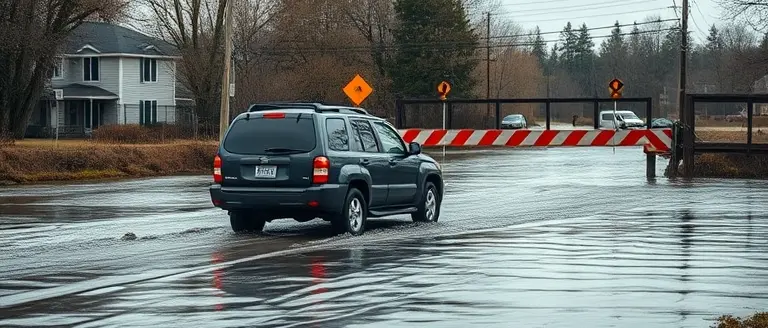
As the current san antonio weather pattern brings severe instability to Central Texas, local officials are reinforcing the life-saving mantra: “Turn Around Don’t Drown.” With a flash flood warning currently in effect for the metro area, the risk to commuters during the morning rush is extreme. Rainfall totals ranging from 2 to 6 inches have saturated the soil, leaving urban drainage systems and Hill Country creek beds unable to cope with the influx of water. Just six inches of fast-moving water can knock an adult off their feet, while a mere foot of water can sweep away many vehicles.
Essential Safety Guidelines for Central Texas Residents
To ensure your safety during this high-stakes weather event, please adhere to the following protocols issued by emergency management agencies:
- Avoid Flood-Prone Areas: Never attempt to drive through water-covered roadways. Even if the road appears familiar, the structural integrity of the pavement beneath the surface may have been compromised by the current weather san antonio system.
- Monitor Official Sources: Stay tuned to NWS alerts and local news outlets like KSAT and KXAN for real-time updates regarding a potential flood warning expansion or road closures in your specific county, including Bexar and Medina.
- Prioritize Staying Home: If your commute is not essential, remain off the roads. Visibility is significantly reduced, and hidden hazards such as downed power lines or debris remain significant threats.
- Understand Local Geography: The unique topography of the Texas Hill Country leads to rapid, “flashy” rises in water levels. Do not underestimate the speed of currents in low-water crossings.
If you encounter standing water, treat it as an immediate threat. Your decision to find an alternate route could mean the difference between safety and a life-threatening rescue operation. Stay informed, remain vigilant, and prioritize safety until the current moisture surge clears the region.
From Emergency Response to Home Restoration
As the immediate threat of flash flooding subsides and the NWS warnings expire, the reality of property maintenance sets in for many Central Texas residents. While our live tracking has prioritized your safety on the road today, the next phase of this weather event involves assessing the structural impact on your home. Relying on guesswork or waiting indefinitely for stretched-thin local contractors can turn a manageable repair into a long-term headache.
Once the waters recede and you begin assessing your property for damage, having a reliable plan for repairs is just as crucial as the real-time warnings we tracked today. This is where Ted’s Woodworking becomes your essential recovery tool. By providing a comprehensive library of tested, professional-grade structural plans, this resource eliminates the guesswork and costly errors involved in DIY property repairs. It allows you to take immediate control of your home’s restoration with total technical certainty, ensuring you don’t have to wait for external help to secure your living space.
Don’t let the aftermath of this storm overwhelm your progress. Take charge of your property’s future by accessing the exact blueprints you need for a faster, safer, and more effective recovery today.
 Access the complete library of tested repair plans now to start restoring your home with total technical certainty.Secure My Repair Plans Now!