
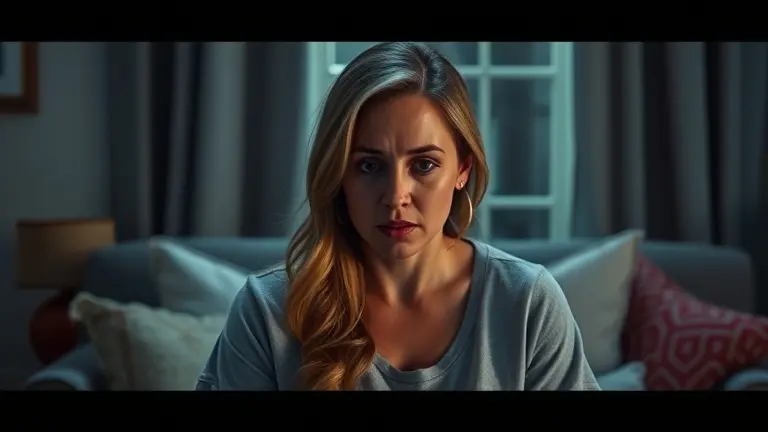
In the last 48 hours, the online community has been gripped by a sudden wave of speculation regarding labor and delivery nurse and influencer Jen Hamilton. Following the release and subsequent deletion of an emotional video, fans across TikTok and Reddit have been left seeking answers about the status of her marriage to her husband, Brian Hamilton. As the conversation grows, it serves as a stark example of the intense, often reactive nature of parasocial relationships, where followers feel a profound, personal stake in the lives of the digital creators they invite into their daily routines.
It is important to emphasize that as of June 2026, no official statement has been provided by Jen Hamilton regarding her marital status. The current discourse remains rooted in interpretation rather than confirmed fact, highlighting a critical content gap between sensationalist gossip and the reality of an unfolding, private moment. Rather than fueling speculation, we believe it is far more constructive to examine the broader phenomenon of influencer privacy and the universal challenges of maintaining long-term commitment in the modern, digital age.
Understanding the Online Conversation Surrounding Jen Hamilton

The recent surge in digital discourse concerning Jen Hamilton, the prominent labor and delivery nurse and content creator, began around June 12-13, 2026, following the release of an emotional video on her social media platforms. In this now-viral and subsequently deleted clip, Hamilton appeared visibly distressed, leading many followers to interpret her candid remarks as an allusion to a potential split from her husband, Brian Hamilton. While the video served as the primary catalyst for the current wave of public speculation, it is essential to note that no official statement confirming a divorce or formal separation has been released by the creator herself.
The Role of Social Media Speculation
The rapid escalation of this topic across platforms like TikTok and Reddit highlights the intense parasocial relationship audiences often form with nurse influencers. As users scramble to understand what happened to Jen Hamilton, the conversation has largely been driven by community-led investigative efforts. Common themes observed in these threads include:
- Community Concern: A high volume of comments reflect genuine protective concern for her well-being during a clearly difficult moment.
- Historical Analysis: Users have begun reviewing older content featuring her 14-year marriage, searching for context or hidden clues regarding the couple’s relationship status.
- The Deletion Factor: The fact that the original video was removed by Hamilton has paradoxically fueled more speculation rather than quelling it, as followers interpret the removal as a sign of the situation’s gravity.
Because there is no confirmation on what happened to Jen Hamilton today, much of the ongoing dialogue remains purely speculative. The situation serves as a stark reminder of the challenges faced by public figures who balance professional expertise with a personal brand, especially when sensitive life events become the subject of unsolicited public analysis. Moving forward, observers are encouraged to maintain a respectful distance, acknowledging that the influencer has not provided details on her private life in 2026.
The Impact of Parasocial Relationships on Digital Creators
The recent surge in public inquiry regarding Jen Hamilton highlights a profound psychological phenomenon known as parasocial relationships. These one-sided emotional bonds occur when followers develop a perceived sense of intimacy and friendship with digital creators, often stemming from the influencer’s consistent presence in their daily lives. Because creators like Hamilton—a trusted labor and delivery nurse—often invite their audience into their personal spaces to share both professional insights and private life milestones, followers frequently transition from being passive consumers to feeling like active participants in the creator’s life. When a creator experiences a significant personal event, such as the widely speculated Jen Hamilton divorce, this sense of connection can trigger an intense, protective, and sometimes intrusive reaction from the community.
The Cycle of Expectation and Entitlement
This dynamic creates a complex challenge for influencers who rely on authenticity to grow their brands. As viewers become invested in the narrative of a creator’s life, including their marriage to partners like Brian Hamilton, they may begin to feel an unearned sense of entitlement to updates during difficult times. This is exacerbated when creators delete sensitive content, as the void left by the absence of information often fuels aggressive speculation and “investigative” behavior on platforms like Reddit and TikTok.
Understanding this phenomenon requires recognizing the boundaries of the digital space:
- Boundary Dissolution: Frequent sharing of personal life updates blurs the lines between a professional brand and private reality.
- The “Friendship” Illusion: Followers often process a creator’s emotional vulnerability as a direct conversation, ignoring the curated nature of social media.
- The Cost of Silence: When creators like Jen Hamilton do not provide immediate, official statements, the digital vacuum is filled by third-party theories, which can lead to increased stress for the individual involved.
While the curiosity surrounding what happened to Jen Hamilton is a natural byproduct of modern celebrity culture, it underscores the need for a more empathetic approach to online discourse. Recognizing that creators are entitled to privacy—especially during potential life transitions—is essential to fostering a healthier relationship between the influencer and their digital community.
Navigating Public Moments in the Era of Social Media

The recent viral activity surrounding Jen Hamilton highlights a growing tension between content creation and personal privacy. When an influencer who has built a brand on transparency experiences a potential life transition—such as the widely speculated Jen Hamilton divorce—the boundary between the professional and the personal often dissolves. This phenomenon, often termed an “unfolding public moment,” places immense pressure on creators to navigate private struggles while under the intense gaze of millions of followers. Because many viewers feel a deep, parasocial connection to creators like Hamilton, the demand for information can become overwhelming, turning a deeply personal experience into a subject of rapid, public consumption.
The Complexity of Parasocial Boundaries
The digital landscape has fundamentally changed how audiences interact with public figures. For nurse influencers, this challenge is particularly acute, as their careers are built on a foundation of trust, relatability, and shared lived experiences. When users ask, “what happened to Jen Hamilton,” they are often seeking clarity in a situation where none has been provided. This creates a cycle where:
- Information Gaps: A lack of official statements leads to rampant speculation across platforms like Reddit and TikTok.
- Privacy Deficits: Creators are pressured to perform their emotions or disclose private details to appease audience curiosity.
- Reactive Culture: High-engagement environments encourage quick-turnaround content that often sacrifices accuracy for relevance.
The situation surrounding Jen Hamilton and her husband, Brian Hamilton, serves as a sobering reminder of why creators choose to delete sensitive content. By retracting emotional posts, influencers attempt to regain agency over their narrative, even as the internet works to piece together clues from previous years of content. Moving forward, the conversation should shift from invasive speculation about what happened to Jen Hamilton today to a broader, more respectful understanding of the digital boundaries necessary to support the well-being of those who share their lives online. Respecting a creator’s silence is not just a gesture of support; it is a recognition of their right to process major life events away from the spotlight of public opinion.
Practicing Empathy and Ethical Engagement Online

The recent viral discourse surrounding Jen Hamilton highlights the complexities of modern parasocial relationships. As viewers scramble to decipher her personal life—specifically searching for information on what happened to Jen Hamilton or speculating about the status of her relationship with her husband—it is essential to pause and consider the human cost of internet culture. When public figures share vulnerable moments, the instant reflex to dissect their lives often overlooks the reality that these creators are individuals navigating significant life transitions behind the screen.
The Dangers of Speculative Narratives
Speculation regarding a potential Jen Hamilton divorce serves as a stark reminder of why ethical engagement is necessary. Because no official statement has been released, the current environment relies heavily on unverified theories rather than established facts. To practice healthier digital consumption, consider the following principles:
- Prioritize Official Sources: Wait for direct communication from the creator before drawing conclusions. If it is not on their verified channels, treat it as conjecture.
- Respect Privacy Boundaries: Even when a public figure shares parts of their life online, they are entitled to process sensitive events like a potential separation privately and in their own time.
- Avoid Amplifying Gossip: Participating in comment-section debates—or searching for details on what happened to Jen Hamilton today—only fuels the algorithmic cycle that turns personal trauma into entertainment.
- Acknowledge the Human Element: Recognize that the deletion of a video is often an attempt to reclaim control over a narrative. Respecting that decision is a hallmark of an empathetic digital citizen.
By shifting our focus from demanding immediate answers to offering patient support, we can foster a more sustainable community. Understanding what happened to Jen Hamilton in 2026 is less important than preserving the dignity of those involved. Embracing a culture of respectful observation ensures that we do not contribute to the harmful pressure often placed on influential figures, allowing them the space they need to manage their private lives away from the glare of constant public scrutiny.
Reflecting on Connection in an Age of Viral Speculation
While the internet continues to buzz with questions regarding the personal life of Jen Hamilton, these moments serve as a poignant reminder of the complexities inherent in long-term relationships. Whether in the public eye or behind closed doors, navigating the shifting dynamics of a fourteen-year partnership requires constant adaptation and emotional intelligence. The intensity of public interest highlights our collective desire to understand how enduring bonds are formed, sustained, and—at times—tested.
Instead of focusing on unverified rumors, we can use these moments of uncertainty to reflect on our own relational health and the universal desire for deep, lasting commitment. Understanding the psychology of attraction and the foundational needs that keep a partnership thriving is the key to building resilience. Whether you are looking to revitalize your connection or simply gain a deeper understanding of the dynamics that foster intimacy, exploring these core concepts can be transformative.
By prioritizing empathy and actionable insight, you can move beyond the surface-level noise of social media trends and focus on the essential building blocks of your own emotional landscape. If you are seeking to bridge the gap between where your relationship is and where you want it to be, taking a proactive approach to understanding your partner’s emotional needs is the most powerful step you can take toward a more secure, passionate future.
 Learn how to nurture deep commitment and unlock the secret signals that build a lasting, passionate partnership.Transform My Relationship Today!