
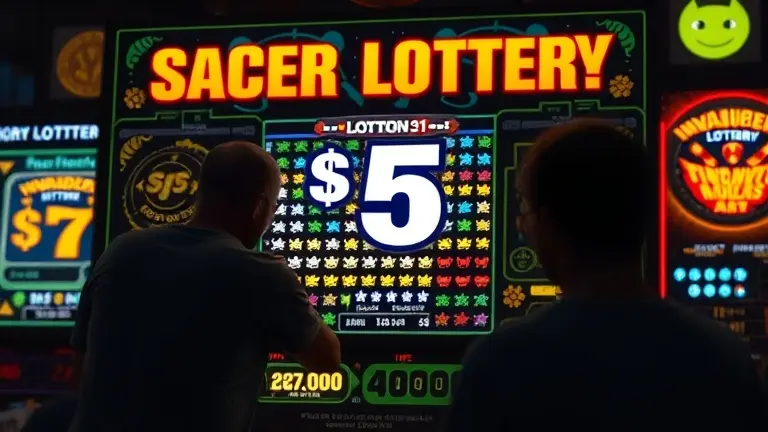
In June 2026, the Hoosier Lottery found itself at the epicenter of a firestorm following the launch of its $5 Space Invaders Cash Invasion scratch-off game. For many players, the excitement of revealing a $100,000 grand prize turned into a bitter lesson in institutional transparency when lottery officials abruptly declared the winning tickets invalid, citing a "printing error." This technical breakdown left participants holding worthless paper, fueling widespread outrage across Reddit and social media as the public grapples with a fundamental question: When a state-run entity fails to deliver on its advertised promise, what legal recourse does the consumer actually have?
The controversy surrounding the Hoosier Lottery is more than just a localized gambling issue; it exposes the fragile trust between citizens and the systems they engage with. This incident highlights a recurring, often invisible friction—the conflict between a consumer’s expectation of a "contractual" win and the administrative reality of bureaucratic "technical issues." As we peel back the layers of this scandal, we must examine the hidden rules of prize validation and why, in an era of digital automation, the margin for human or mechanical error remains uncomfortably high. It is time to look at why betting on luck so often leads to disappointment, and where we might better invest our resources to ensure guaranteed results.
The Hoosier Lottery ‘$5 Space Invaders’ Controversy: What Happened?
In early June 2026, the Indiana state lottery landscape was disrupted by a significant hoosier lottery technical issue involving the newly released “$5 Space Invaders Cash Invasion” scratch-off game. Shortly after its launch, players began reporting instances where their physical tickets displayed winning symbols corresponding to the $100,000 grand prize. However, when these players attempted to claim their winnings, they were informed by officials that the tickets were invalid due to a localized printing error rather than a legitimate win.
The fallout from this incident has been swift and widespread. As confusion spread, it became clear that the discrepancy was not limited to the top-tier jackpot; other participants reported finding that prizes they believed were valued at $2,500 had been downgraded to a value of $0 or a nominal $20 upon digital verification. The primary points of the controversy include:
- System Validation Discrepancy: The physical printing on the ticket failed to match the electronic validation records held by the state, rendering the physical surface graphics legally void under current lottery regulations.
- Halt of Sales: Following a wave of public outcry and intense scrutiny on social media platforms like Reddit, the Hoosier Lottery made the decision to suspend sales of the “Space Invaders” game entirely to prevent further consumer frustration.
- Public Skepticism: The incident has triggered a broader conversation regarding the transparency of state-run gambling operations, with many players questioning how such a systemic failure could reach the public market without being caught during the quality assurance process.
While the lottery commission continues to manage the fallout, the incident highlights a critical vulnerability in how ticket validation is communicated to the public. For many players, the visual evidence of a “win” serves as a contract, yet the legal fine print consistently favors the internal electronic verification system. As the investigation into this technical issue persists, the case remains a focal point for discussions regarding the rights of lottery participants when official state records conflict with tangible game materials.
Legal Framework: Lottery Rules vs. Consumer Expectations

When a Hoosier Lottery technical issue leads to voided prizes, players often feel a breach of trust, yet the legal reality is starkly different from public expectation. In the eyes of the law, a lottery ticket is not a simple retail contract between a vendor and a customer. Instead, it is a regulated instrument governed strictly by state statutes and the official rules promulgated by the lottery commission at the time of a game’s launch. These governing documents almost universally include “limitation of liability” clauses. These clauses explicitly state that any printing error, miscut ticket, or technical glitch renders the specific ticket void, regardless of what the visual symbols indicate to the player.
The Conflict Between Visual Evidence and Regulatory Statutes
From a consumer perspective, scratching off a ticket to reveal a $100,000 prize creates an “implied contract”—a belief that the physical ticket serves as a binding promise of payment. However, legal experts point out that the lottery is an administrative agency; therefore, the validation process is the only legally recognized determinant of a win. To be valid, a ticket must pass through the official electronic validation system, which checks the ticket’s unique security codes against a central database.
The discrepancy between the human experience and the regulatory framework creates significant friction during events like the June 2026 ‘Space Invaders’ controversy. Key factors that dictate the outcome include:
- Official Game Rules: These are the primary legal documents that define how prizes are claimed and how errors are handled.
- Administrative Sovereign Immunity: State-run lotteries often operate with legal protections that shield them from traditional breach-of-contract lawsuits.
- Validation Protocols: The electronic verification system acts as the final authority, effectively overriding any physical defects or printing mistakes found on the ticket face.
Ultimately, players occupy a position of disadvantage because these rules are baked into the “terms of participation.” While social media outrage may highlight the emotional impact, the legal framework is designed to prioritize the integrity of the state’s lottery system over the individual claims of participants who hold defective tickets.
Know Your Rights: A Lottery Player’s Guide to Disputes

When a hoosier lottery technical issue arises—such as the recent controversy surrounding the ‘$5 Space Invaders Cash Invasion’ scratch-off—players often feel powerless against state-run agencies. However, understanding the formal dispute resolution process is essential for protecting your interests. If you believe you possess a winning ticket that the lottery commission refuses to honor, your first priority is to preserve the integrity of the evidence. Do not attempt to alter, clean, or further scratch the ticket. Immediately document the physical state of the ticket by taking high-resolution photographs and a video recording that captures both the front and back, including the unique serial number or barcode.
Essential Steps for Formal Disputes
If you find yourself in a situation where a lottery official voids a prize due to a printing error, follow these protective measures:
- Secure the Physical Evidence: Keep the original ticket in a safe, dry place. A physical ticket is your only verifiable proof; digital scans are rarely accepted as a substitute.
- Request a Formal Determination: Contact the Hoosier Lottery administrative offices directly to file a formal, written inquiry. Request a written response explaining exactly why the validation system flagged your ticket as invalid.
- Review State Statutes: Be aware that lottery games operate under state-specific laws, which often include “limitation of liability” clauses. These clauses typically state that the lottery’s responsibility for printing errors is limited to a refund of the ticket price, rather than the prize value shown on the ticket.
- Engage Consumer Protection: If you receive an unsatisfactory response, file a complaint with the Indiana Attorney General’s office. While legal recourse against a state agency is notoriously difficult due to sovereign immunity, creating a paper trail is vital if class-action litigation arises.
Navigating a technical issue requires patience and diligence. While the frustration of being denied a jackpot is immense, understanding the legal framework—specifically that these games function under specific terms and conditions often printed on the back of the ticket—is the first step toward effective advocacy. Always rely on official communications from the commission, and avoid sharing your ticket details publicly until you have secured legal counsel or received a final ruling.
Public Fallout and the Future of Lottery Transparency

The recent Hoosier Lottery technical issue involving the ‘$5 Space Invaders Cash Invasion’ game has ignited a firestorm of public criticism, highlighting the fragile nature of consumer trust in state-sanctioned gambling. Social media platforms, particularly Reddit, have become hubs for aggrieved players to voice their disbelief as many discovered their perceived $100,000 grand prizes—or smaller, yet significant, payouts—were voided due to printing errors. This disconnect between what a physical ticket displays and the official digital validation records has left participants questioning the fundamental reliability of lottery operations. When the perceived “contract” between the state and the player is broken, the fallout extends beyond a single game, potentially undermining the integrity of the entire state-run system.
Strengthening Oversight and Consumer Confidence
To prevent future occurrences of such technical failures, lottery commissions may need to adopt more rigorous transparency protocols and enhanced quality control measures. Public sentiment indicates that current “printing error” clauses are seen as overly broad, often shielding agencies from accountability. Future regulatory updates could focus on several key areas to restore faith:
- Third-Party Auditing: Implementing mandatory independent audits for new game launches to ensure physical tickets align perfectly with validation software.
- Clearer Disclaimers: Standardizing language on tickets to explicitly define when a printing error nullifies a win, ensuring players understand the legal risks before purchasing.
- Enhanced Error Protocols: Establishing transparent, pre-defined compensation frameworks for players caught in administrative mistakes to minimize the perception of unfair treatment.
As the industry moves forward, the scrutiny following this scandal suggests that passive transparency is no longer sufficient. If state lotteries wish to maintain their role as trusted revenue generators, they must evolve their quality assurance processes to match the high stakes expected by the public. Without proactive reform, incidents like the Space Invaders debacle may cause long-term damage to the credibility of lottery games nationwide.
Reclaim Control Over Your Results
The Hoosier Lottery scandal serves as a stark reminder that in many areas of life, the odds are not just stacked against us, but sometimes dictated by opaque systems that can invalidate our efforts at a moment’s notice. When you invest time and money, you deserve a outcome based on logic and precision, not a technical glitch. While you cannot control the hidden errors of state-run lotteries, you can regain complete authority over your own personal projects by moving away from games of chance and into activities where your input directly dictates the reward.
This is where precision replaces luck. If you are tired of the uncertainty of systems that fail to deliver, it is time to pivot to a pursuit where accuracy is guaranteed. Ted’s Woodworking offers 16,000 workshop-tested, professional plans that serve as an anchor of certainty. Unlike the flawed validation systems of the lottery, these blueprints eliminate guesswork and costly mistakes, ensuring that the effort you put in results in a tangible, high-quality masterpiece rather than a voided outcome.
By choosing a system built on technical certainty, you are choosing to invest your time in results that are under your command. Stop leaving your time to chance; start your next project with the technical accuracy and verified results found in these 16,000 professional woodworking plans.
 Stop leaving your time to chance; start your next project with the technical accuracy and verified results found in these 16,000 professional woodworking plans.Transform My Workshop Today!