

The FIFA World Cup 2026™ has officially exploded into action, transforming the North American sports landscape into a high-stakes, 48-team theater of dreams. With the dust barely settling on Germany’s clinical opening and the electric stalemate between Brazil and Morocco, the tournament’s rapid pace is testing even the most dedicated fans. As upsets unfold and young stars like Folarin Balogun surge into the global spotlight, the complexity of the new 48-team format means that keeping up with the narrative is no longer just about watching games—it is about mastering the tactical shift occurring in every single time zone.
However, the transition from the group stage chaos to the knockout phase is a marathon, not a sprint. Whether you are analyzing refereeing nuances in the heat of a match or tracking betting odds across shifting group dynamics, the cognitive demand is relentless. To stay ahead of the curve, you need more than just a screen; you need a sharp, focused, and energized mind that refuses to hit the wall when the late-night matches demand your full attention.
FIFA World Cup 2026™: The Opening Phase Landscape
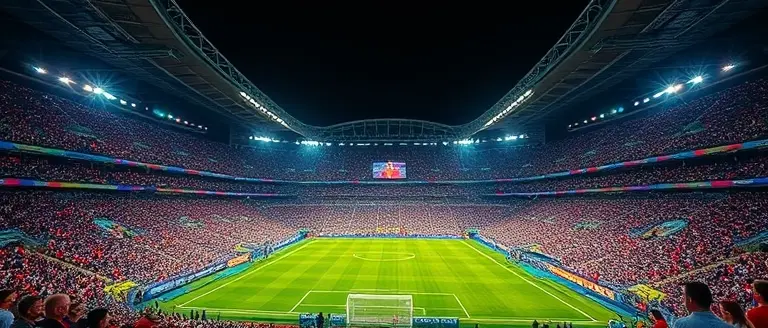
The FIFA World Cup 2026™ has officially arrived, transforming North America into the epicenter of global sport. As we move past the inaugural 48 hours of play, the tournament is already living up to its promise of being “a Super Bowl every single day.” This expanded edition, featuring a record 48-team format, has introduced a heightened level of unpredictability. The logistics of a tri-national hosting effort across the United States, Canada, and Mexico have been seamless thus far, providing a massive stage for the 104 matches scheduled throughout this five-week festival of football.
Early Tournament Surprises and Tactical Trends
The opening slate of games delivered immediate high-stakes drama that defied pre-tournament expectations. Tactical analysts are closely monitoring the following developments:
- Brazil vs. Morocco Stalemate: A high-profile draw that sent shockwaves through the tournament, proving that established powerhouses are vulnerable to the disciplined defensive structures of emerging nations.
- Germany’s Clinical Offense: A statement victory for the Germans, who showcased a refined, clinical approach that has already placed them as early favorites in many betting markets.
- Australia vs. Türkiye Tension: A physically demanding and competitive fixture that highlighted the depth of the expanded field, confirming that the new tournament structure forces teams to compete at peak intensity from the very first whistle.
The 48-team format adds a layer of complexity to the group stages, necessitating a strategic shift for managers who must now balance squad rotation with the need for early points. As player-specific narratives emerge—including the rising betting odds for stars like Folarin Balogun and the strategic usage of veterans like Neymar—fans and fantasy managers alike are recalibrating their outlooks in real-time. This opening phase is more than just a series of matches; it is a tactical laboratory where the nuances of the new format are being tested under the pressure of a global audience.
Daily Power Rankings: Who Are the Early Tournament Favorites?

As the FIFA World Cup 2026™ hits its stride, the inaugural matches have already challenged the traditional hierarchy of global soccer. With the expansion to a 48-team format, the margin for error has narrowed significantly, forcing top-tier squads to adapt to aggressive, high-pressing tactics from nations previously considered underdogs. Following the opening 48 hours of play, our power rankings focus on tactical cohesion, squad depth, and the ability to convert pressure into points on the scoreboard.
Early Standouts and Tactical Shifts
While tournament favorites like Brazil faced a stern test in their opening draw with Morocco, signaling that the expanded field possesses significant defensive resilience, other teams have flourished. The transition to the new format requires deep rosters to survive the gruelling 104-match schedule.
- Germany: Their clinical finishing in the opener suggests they are the most tournament-ready side, showing a level of tactical maturity that was missing in previous cycles.
- The “Balogun Effect”: Folarin Balogun’s performance has sent shockwaves through the betting markets, making him an early Golden Boot favorite. His ability to find space against organized low blocks is currently unmatched.
- Australia: Their grit against Türkiye demonstrated that the new format will reward teams capable of sustaining physical intensity over 90 minutes.
Why Adaptation is Key
The primary differentiator in these opening matches has been roster management. Coaches utilizing the full breadth of their squads to counteract fatigue are seeing immediate results. While marquee nations struggled with the opening-match nerves, the teams that integrated their bench players effectively during the second halves of their respective games looked far more dangerous. As we move deeper into the group stage, teams that prioritize defensive transitions—preventing the rapid counter-attacks that have defined the first few days of the tournament—will likely emerge as the true title contenders. Fans should keep a close watch on how squad rotations shift as teams navigate the unique logistics of the United States, Canada, and Mexico hosting duties, as travel fatigue will undoubtedly become a factor in upcoming rounds.
The Golden Boot Race: Folarin Balogun and Rising Stars

The opening matches of the FIFA World Cup 2026™ have already sent shockwaves through the betting markets, specifically regarding the race for the Golden Boot. While traditional powerhouses remain favorites, the most significant shift in predictive analytics centers on Folarin Balogun. Following his electric start in the opening phase, Balogun’s odds have plummeted, reflecting a consensus that he is no longer just a dark horse, but a genuine threat to claim the top scorer title. His ability to navigate tight defensive lines in the expanded 48-team format has provided a masterclass in clinical finishing, forcing oddsmakers to scramble as he continues to exploit the weaknesses of tournament newcomers.
Emerging Narratives and Performance Shifts
The unpredictability of this tournament has allowed several “under-the-radar” talents to shine alongside established icons. Beyond Balogun, scouts and analysts are closely monitoring the following developments:
- Neymar’s Strategic Role: Despite lingering concerns regarding his fitness, Neymar’s influence on the pitch remains undeniable. His capacity to dictate the tempo against organized defenses, such as the tactical deadlock seen in the Brazil vs. Morocco draw, proves he remains the fulcrum of his nation’s attack, even if his role shifts toward a creative playmaker rather than a pure finisher.
- The Impact of the 48-Team Format: The increased volume of matches has diluted the defensive solidity often seen in the group stages of previous editions. Teams are now facing more diverse tactical setups, allowing high-pressing forwards to capitalize on transition opportunities that simply didn’t exist in smaller, more rigid tournament structures.
- Tactical Disruptors: Lesser-known players from CONCACAF and AFC nations are utilizing the “home-field” energy across the US to produce high-intensity performances, complicating the Golden Boot landscape for household names who are struggling to find rhythm in the tournament’s opening 48 hours.
As the FIFA World Cup 2026™ progresses, the volatility in betting odds serves as a direct reflection of the heightened competition. Whether Balogun can maintain his current trajectory or if a veteran superstar finds their form remains the primary question for fantasy managers and bettors alike. With 104 matches scheduled, the door remains wide open for a breakout star to redefine their career on the global stage.
Navigating the Tri-National Format: Logistics and Fan Experience
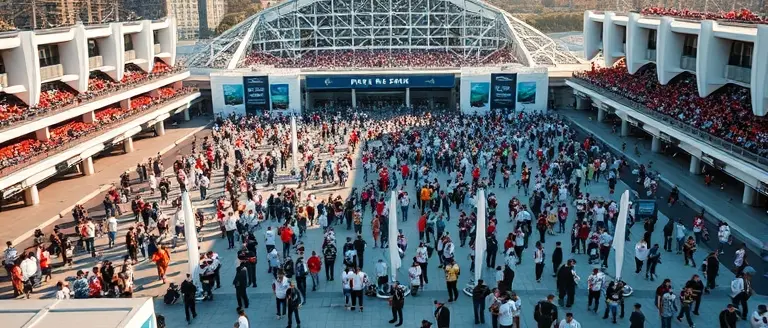
The FIFA World Cup 2026™ has ushered in an unprecedented era of sports logistics. By spreading 104 matches across the United States, Canada, and Mexico, tournament organizers have created a massive logistical footprint that challenges traditional fan travel patterns. Unlike previous single-country tournaments, fans are now managing a complex web of time zones, varying international entry requirements, and vastly different transit infrastructures. For those following their national teams across borders, the reality on the ground requires meticulous planning, especially when navigating the transition between coastal US hubs and the high-altitude environments of Mexican host cities.
Essential Travel and Logistics Tips
- Time Zone Management: With games spanning from the Eastern Time Zone to the Pacific and Central zones, fans must synchronize their schedules to avoid missing key kickoffs. Always verify the local time of your specific stadium venue.
- Cross-Border Travel: Ensure your passport and necessary transit visas are ready well before the knockout stages. Border crossing times can fluctuate significantly due to the influx of international supporters.
- Stadium Connectivity: Domestic flights within North America are essential for multi-city fans. Utilize the official FIFA World Cup 2026™ fan app for real-time updates on transport shuttles and last-minute transit adjustments near host cities.
- Infrastructure Reality: While the US infrastructure offers robust public transit in select cities, fans should expect high ride-share demand and increased traffic. Budget extra hours for stadium arrival, particularly during high-profile group stage matches.
The cultural experience of this tri-national format is undeniably dynamic, turning the tournament into a “Super Bowl every single day.” From the distinct fan zones in Toronto and Vancouver to the electric atmosphere in Mexico City, the logistical burden is balanced by the unique opportunity to experience diverse soccer cultures within a single tournament cycle. For fans, success in 2026 relies on treating the tournament not just as a series of matches, but as a continental road trip requiring high-level coordination and adaptability.
Stay Sharp for Every Defining Moment
As the FIFA World Cup 2026™ continues to push the boundaries of sports entertainment, the mental toll of tracking every tactical breakdown and surprise performance is becoming evident. You are in the middle of a global sporting marathon, and the last thing you need is brain fog or an afternoon energy crash causing you to miss a defining game-changing play. Maintaining your edge is the difference between simply watching the match and truly understanding the genius behind the tournament’s biggest upsets.
Watching the World Cup at this pace is a mental marathon; when the energy dips during a critical tactical breakdown, you need a sustained focus boost to stay on the ball. This is where Sugar Defender becomes your essential viewing companion. By providing the metabolic support necessary for consistent all-day energy and enhanced cognitive clarity, it ensures your focus remains locked on the pitch, no matter how intense the schedule gets. It is the tactical advantage you need to digest complex group stage data without the irritability or fatigue that plagues the average fan.
Don’t let exhaustion relegate your experience to the sidelines. By optimizing your metabolic performance, you stay sharp, alert, and ready to dissect every narrative as it develops. It is time to elevate your fan experience and power through the group stage with peak mental efficiency.
 Power through every matchday—click here to secure your bottle of Sugar Defender and stay sharp for the next round of group stage drama.Boost My Energy for the World Cup Now!