

The 2026 FIFA World Cup roared to life at MetLife Stadium as Brazil, the five-time world champions, squared off against the formidable defensive structure of Morocco in a high-stakes Group C opener. The 1-1 draw was more than a mere scoreline; it served as the ultimate tactical baptism for Carlo Ancelotti in his debut tournament managing the Seleção. While global spectators were captivated by the individual brilliance on the pitch, seasoned analysts recognized a deeper battle of wits—a rigid, disciplined Moroccan setup designed to stifle the flair of the Brazilians.
As we move past the live excitement of the match, the focus shifts to the Why behind this result. In this deep dive, we go beyond the highlights to dissect the specific defensive strategies used by Morocco to neutralize Brazil’s relentless attack and examine how Ancelotti’s formation adjustments redefined the tempo of the game. For those looking to understand the complex tactical landscape of this World Cup, we provide the clarity needed to interpret every movement, from mid-field transitions to defensive blocks, ensuring you see the game through the lens of true elite performance.
A World Cup Curtain-Raiser: Analyzing the Brazil vs. Morocco 1-1 Draw
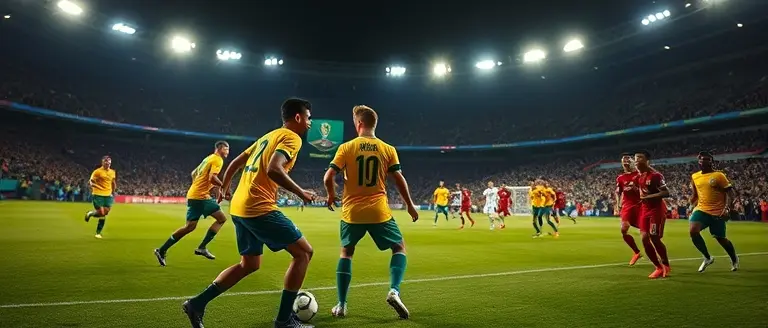
The June 13, 2026, opening match at MetLife Stadium in New Jersey served as a massive indicator of the competitive landscape in this World Cup. The brazil vs morocco clash was billed as the tournament’s premier curtain-raiser, pitting the historic prestige of the five-time world cup winners against a surging Morocco squad that has firmly established itself as an elite global contender. With the match ending in a hard-fought 1-1 draw, the result confirmed that the gap between traditional superpowers and the new guard of African football has significantly narrowed, setting a high-stakes tone for the remainder of Group C.
The Ancelotti Era and Tactical Resilience
All eyes were locked on Carlo Ancelotti as he made his high-pressure debut as manager of the Brazil national team on the world’s biggest stage. Tasked with revitalizing the Seleção for a deep tournament run, Ancelotti opted for a pragmatic tactical setup, though his side struggled to fully break down a disciplined Moroccan defensive block. Conversely, the Moroccan strategy focused on high-intensity transition play and physical midfield battles, which successfully neutralized Brazil’s creative spark. The outcome highlights several critical tactical shifts witnessed during the match:
- Defensive Compactness: Morocco’s ability to maintain a low-to-mid block frustrated Brazil’s creative transition, forcing the five-time champions to rely on individual brilliance rather than cohesive build-up play.
- The Ancelotti Factor: Under the guidance of their new head coach, Brazil displayed increased defensive stability but left questions regarding their final-third efficiency when facing organized, counter-attacking opponents.
- Group C Impact: The draw leaves both nations in a delicate position, making upcoming fixtures crucial for determining top-seed placement.
As the tournament progresses, this 1-1 stalemate will likely be viewed as the defining match for Group C. By securing a point against a tournament favorite, Morocco has reinforced its reputation as a formidable opponent, while Brazil faces the reality that their path to glory will require greater tactical flexibility against stubborn opposition.
Tactical Breakdown: Carlo Ancelotti’s Debut and Moroccan Resilience
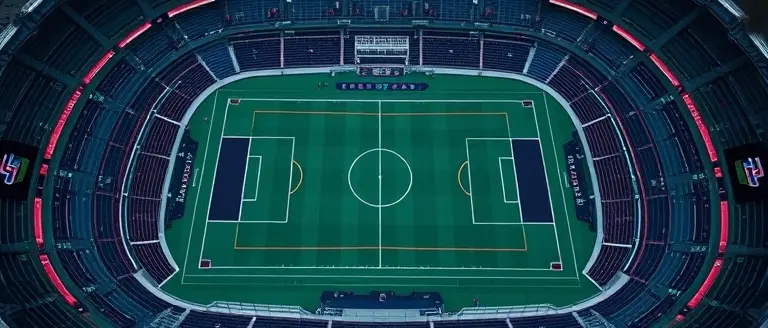
The highly anticipated Brazil vs Morocco clash at MetLife Stadium served as a fascinating tactical experiment. In his competitive debut as head coach of the Seleção, Carlo Ancelotti deployed an aggressive 4-3-3 formation designed to overwhelm the opposition through rapid transitions and high-pressing intensity. By utilizing inverted wingers, Ancelotti aimed to create numerical superiorities in the half-spaces, frequently forcing the Moroccan backline to compress. However, the five-time world cup winners struggled to break down a rigid, disciplined Moroccan low block that prioritized spatial awareness over individual duels.
Moroccan Defensive Discipline and Tactical Adaptations
Morocco’s strategy was masterfully centered on neutralizing Brazil through a compact 4-1-4-1 structure that rarely wavered. The Atlas Lions effectively limited the influence of Brazil’s creative midfielders by narrowing the pitch and cutting off passing lanes into the final third. Key tactical observations from the draw include:
- Midfield Compactness: Morocco’s defensive pivot provided essential cover for the center-backs, effectively doubling up on Brazil’s primary playmakers.
- Transition Efficiency: Despite spending long periods without possession, Morocco utilized vertical, rapid counter-attacks that exposed the gaps left behind by Brazil’s marauding full-backs.
- Neutralizing the Press: Through composure in deep zones, the Moroccan squad forced Brazil to commit bodies forward, creating the space necessary for their late-game equalizer.
While Ancelotti’s side demonstrated superior technical ball retention, the Morocco vs Brazil matchup highlighted a significant challenge for the new coaching regime: breaking down well-drilled, low-block defensive units in a World Cup environment. This 1-1 draw forces a re-evaluation of Brazil’s offensive flexibility, as opponents in Group C will likely adopt similar defensive blueprints to frustrate the South American giants. The tactical battle in New Jersey proved that pedigree alone is insufficient against the growing defensive sophistication of international African football.
Player Spotlight: Standout Performances and Turning Points

The 1-1 draw between Brazil and Morocco at MetLife Stadium was a masterclass in tactical discipline versus individual flair. For the Seleção, the match served as a significant test for Carlo Ancelotti, whose debut in a World Cup environment required balancing attacking fluidity with defensive stability. Brazil’s wingers were the focal point of the offense, yet they were frequently neutralized by a compact and resilient Moroccan defensive block. The stalemate highlights how effectively the Atlas Lions managed the high-profile attackers, forcing Brazil to rely on transition play rather than established possession in the final third.
Several individual performances dictated the tempo of this Group C clash:
- Moroccan Defensive Wall: The Moroccan fullbacks provided a stellar performance, effectively doubling up on Brazil’s wide threats. By denying space in the channels, they prevented the South American giants from delivering quality crosses into the box.
- The Brazilian Engine Room: Brazil’s midfield looked to dictate the pace, but they struggled against the high-intensity press deployed by Morocco. Their inability to bypass the central congestion left their strikers isolated for long stretches of the second half.
- Decisive Turning Points: A critical moment occurred when Morocco successfully forced a turnover in the midfield, leading to their clinical equalizer. This sequence underscored the defensive vulnerability that persists even under Ancelotti’s refined tactical setup.
Ultimately, this morocco vs brazil encounter served as a warning to other world cup winners and contenders that the Atlas Lions are a formidable force capable of disrupting the rhythm of elite teams. While the result left both sides searching for more, the individual contributions—particularly the tactical awareness shown by Morocco’s backline—were the deciding factor in securing a share of the points. As the tournament progresses, these players will likely remain central to their nations’ strategies for navigating the remainder of the group stage.
Group C Projections: What the Draw Means for the Road Ahead
The 1-1 stalemate between Brazil and Morocco at MetLife Stadium has fundamentally altered the competitive landscape of Group C. While many pundits entered the tournament viewing the five-time world cup winners as the clear favorites to sweep the group stage, this result proves that the gap between international football’s elite and rising challengers has narrowed significantly. For Brazil, the pressure now shifts to their upcoming fixtures, where head coach Carlo Ancelotti must refine his tactical setup to break down organized, low-block defensive structures. The draw leaves the Seleção with little margin for error, forcing them to adopt a more aggressive offensive posture to secure top-seed placement in the knockout rounds.
Navigating the Group C Standings
The current point distribution complicates the path for both nations. With both teams deadlocked at one point, the remainder of the group stage becomes a high-stakes race for goal differential and head-to-head superiority.
- Brazil’s Outlook: The focus for the remainder of the group stage will be on squad rotation and tactical flexibility. Ancelotti is expected to experiment with more aggressive midfield transitions to prevent opponents from exploiting the space behind the fullbacks.
- Morocco’s Momentum: This result serves as a massive psychological boost for the North African side. By effectively neutralizing Brazil’s high-octane attack, Morocco has proven their status as a tactical powerhouse. Their ability to transition from a compact defensive shell to rapid counter-attacks remains their most dangerous weapon.
- The Knockout Path: Both teams now look toward their next matches with increased scrutiny on discipline. Any further dropped points could force a favorable or unfavorable seeding in the Round of 16.
Evidence suggests that if Morocco vs Brazil remains the barometer for this group, the final standings will be determined by secondary goal differences. Both nations must prioritize clinical finishing, as failing to convert dominant possession into goals—a recurring theme in the June 13 match—could jeopardize their chances of advancing as a group winner. Expect an intense tactical chess match for the duration of the opening phase as the field adjusts to the high bar set by this opening encounter.
Elevate Your Tactical Intelligence
The 1-1 stalemate between Brazil and Morocco at MetLife Stadium wasn’t just a match; it was a masterclass in modern tactical adaptation. While the scoreboard reflects a balanced result, the true story lies in the sophisticated defensive shells deployed by the Atlas Lions and the complex positional shifts initiated by Carlo Ancelotti. To truly decode the nuance of a World Cup heavyweight clash, you cannot rely on surface-level observations. You need a deep, cognitive engagement with the data, heat maps, and formation changes that defined this opener.
Understanding the interplay between these two footballing philosophies requires more than just passion—it requires peak mental clarity. To truly unpack these defensive structures and tactical nuances, you need more than just a recap; you need the mental sharpness to see the play before it happens. This is where The Brain Song becomes an essential part of your analytical toolkit. By optimizing your focus and processing speed, it allows you to absorb complex tactical diagrams and performance metrics without the fog of cognitive overload, turning your analysis into a premium intellectual experience.
Don’t just watch the 2026 World Cup; master it by seeing exactly what happens on the pitch. Whether you are dissecting Group C standings or predicting the path to the trophy, elevate your game by fueling your mind with the precision it deserves.
 Sharpen your tactical insight: Use The Brain Song to optimize your focus before diving into our full-scale 2026 World Cup tactical breakdown.Yes, I Want This Now!