
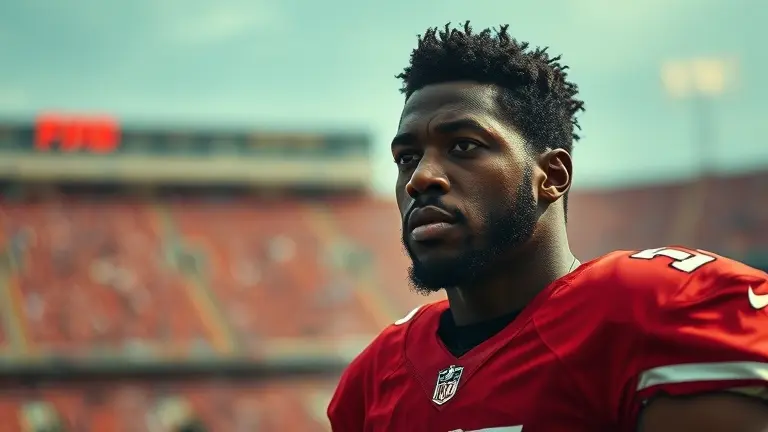
The sudden passing of Aldon Smith on June 13, 2026, at the age of 36, has sent shockwaves through the NFL community, prompting a somber reflection on the life of one of the most physically gifted defensive linemen in league history. Known for his explosive start with the San Francisco 49ers, where he set a historic sack record within his first two seasons, Smith’s trajectory was defined by a jarring duality: breathtaking athletic dominance on the field countered by persistent, well-documented struggles with substance abuse, legal issues, and personal instability off the gridiron.
As the sports world mourns this tragic loss, it is vital to move beyond mere speculation and instead honor his complex legacy through the lens of verified career achievements. In doing so, we must confront the broader, often uncomfortable conversation regarding the immense mental and physical toll professional sports exacts on its athletes. This retrospective explores the career of Aldon Smith while highlighting the urgent need for comprehensive support systems that protect the well-being of players long after their final snap.
The Passing of NFL Defensive Standout Aldon Smith

The NFL community is mourning the loss of Aldon Smith, the exceptionally talented defensive lineman who passed away on June 13, 2026, at the age of 36. Official statements from the San Francisco 49ers and other organizations confirmed the news, sparking an immediate outpouring of tributes from former teammates, coaches, and fans across the United States. As the sports world reflects on his complex legacy, it is important to address the reality of the situation with accuracy and sensitivity. At this time, no official cause of death has been publicly released, and authorities have provided no further details. Out of respect for the grieving family, the public is encouraged to avoid speculation regarding the circumstances surrounding his passing.
A Legacy of Athletic Brilliance
Aldon Smith entered the league as a force of nature, quickly establishing himself as one of the most feared pass rushers in professional football. His early career statistics remain historic, defined by a rare combination of length, speed, and raw power. Throughout his tenure in the NFL (2011–2020), Smith’s impact on the field was undeniable:
- Historic Start: He set a then-record for sacks in his first two seasons, cementing his status as a cornerstone of the 49ers’ formidable defense.
- Professional Journeys: Beyond his initial success in San Francisco, Smith contributed his skills to the Oakland Raiders and the Dallas Cowboys, demonstrating his enduring talent despite intermittent absences from the game.
- A “Talented but Troubled” Icon: Smith’s career was unfortunately characterized by a duality—his immense on-field potential was frequently disrupted by well-documented personal hardships, including substance abuse and legal challenges.
While the circumstances of his death remain unknown, his passing serves as a somber reminder of the difficulties many athletes face long after the cheering stops. The professional football landscape continues to grapple with how to better support players navigating addiction and mental health obstacles, a conversation that is now inextricably linked to the memory of Aldon Smith. As investigations continue, the focus remains on honoring his contribution to the game while respecting the privacy of those closest to him during this profoundly difficult period.
A Career Defined by Unmatched Pass-Rushing Ability
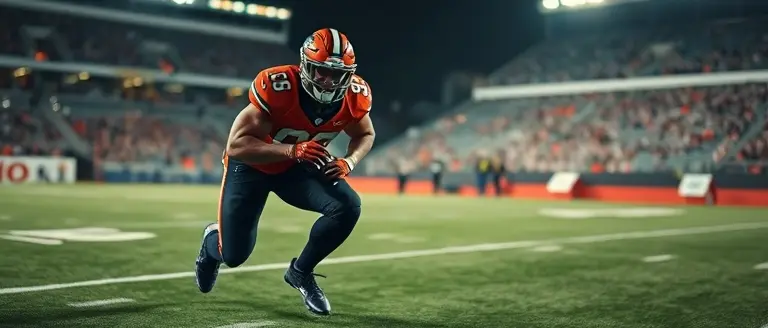
When fans and analysts ask what happened to Aldon Smith, the conversation almost invariably begins with his historic entrance into the National Football League. Drafted seventh overall in the 2011 NFL Draft by the San Francisco 49ers, Smith immediately established himself as one of the most disruptive defensive forces in the league. His unique combination of length, explosive speed, and technical proficiency made him nearly impossible for offensive tackles to contain. During his tenure with the 49ers, he evolved into the archetype of the modern edge rusher, striking fear into opposing quarterbacks and anchoring a dominant San Francisco defense.
His statistical achievements during his first two seasons remain a benchmark for pass-rushing excellence:
- 2011 Rookie Campaign: Recorded 14 sacks, demonstrating an immediate, high-impact transition to the professional level.
- 2012 Dominance: Exploded for 19.5 sacks, a performance that propelled the 49ers to the Super Bowl and solidified his status as an All-Pro caliber player.
- Historical Milestone: Between 2011 and 2012, Smith reached 33.5 sacks, setting a record for the most sacks by any player through their first two NFL seasons—a testament to his rare athletic ceiling.
The sheer efficiency of his pass-rushing ability during this window was unparalleled. He possessed a natural “bend” around the edge that few players in the history of the game have been able to replicate. Even as his career trajectory was later interrupted by well-documented personal challenges and multiple suspensions, his early output is still referenced by talent evaluators as the gold standard for pure disruption. Smith’s ability to change the outcome of a game on a single snap was not just a product of his physical gifts, but also his high football IQ, which allowed him to diagnose blocking schemes with remarkable speed. This early dominance remains the definitive lens through which his professional legacy is viewed.
Navigating the Challenges of an NFL Life

The life and career of Aldon Smith serve as a sobering case study regarding the intense pressures inherent in professional sports. While his physical gifts made him one of the most feared pass-rushers in the NFL, his time in the league was frequently interrupted by personal hurdles that garnered as much media attention as his on-field performance. Throughout his tenure with the San Francisco 49ers, the Oakland Raiders, and the Dallas Cowboys, Smith’s trajectory was repeatedly derailed by a recurring cycle of disciplinary suspensions and legal issues, highlighting a public battle with substance abuse that many analysts feel obscured his immense raw talent.
The Intersection of Professional Demands and Personal Struggles
The complexities surrounding Smith’s journey often centered on his inability to remain on the field, leading to lengthy absences that hampered his momentum. These periods of inactivity underscored the difficulties athletes face when transitioning from the hyper-structured environment of an NFL locker room to the volatility of life outside the game. Common themes in the public discourse regarding Smith include:
- League Disciplinary Actions: Frequent suspensions due to violations of the NFL’s substance abuse policy and personal conduct policy.
- Legal Challenges: Multiple arrests and off-field incidents that drew significant scrutiny from team management and league officials.
- Public Advocacy: A growing consensus among sports psychologists and former players that the professional sports industry must implement better support systems to address the mental health and addiction struggles facing high-profile athletes.
When observers ask what happened to Aldon Smith, the answer is rarely simple. It reflects a turbulent intersection between elite-level athleticism and the heavy burden of personal adversity. His passing at age 36 invites a necessary, if painful, reflection on the fragility of human life and the critical need for comprehensive mental health resources within professional organizations to ensure that players are supported both during their careers and long after their final snap.
Legacy and the Need for Sustained Athlete Advocacy

The life and career of Aldon Smith serve as a sobering case study on the volatility of professional sports and the systemic gaps often faced by elite athletes. While his early career with the San Francisco 49ers remains etched in the record books, the discourse surrounding what happened to Aldon Smith has rightfully shifted toward the broader, urgent need for sustained athlete advocacy. His struggles with personal demons and legal issues during his tenure in the NFL underscore the reality that physical prowess on the field does not insulate individuals from complex mental health challenges and the isolating nature of professional transitions.
Bridging the Gap in Athlete Support Systems
Institutional change within the NFL must prioritize long-term welfare over short-term performance metrics. To prevent future tragedies, the league and its associated organizations should consider implementing more robust, longitudinal support programs that extend well beyond a player’s active contract. Key areas for development include:
- Proactive Mental Health Screening: Normalizing regular psychological check-ins that are independent of team medical staffs.
- Structured Post-Career Transitioning: Providing intensive mentorship and career counseling specifically tailored for players leaving the high-pressure environment of professional sports.
- Substance Abuse Recovery Networks: Ensuring athletes have access to confidential, high-quality care that emphasizes recovery rather than just disciplinary action.
- De-stigmatization Efforts: Encouraging veteran players to speak openly about their vulnerabilities to foster a culture of mutual support.
Ultimately, Smith’s legacy should not be defined solely by his tumultuous off-field journey but by the conversation it forces regarding the duty of care in professional leagues. A more human-centric approach to managing player well-being is essential to ensuring that talented individuals receive the resources they need to navigate life long after their final snap. True reform requires the NFL to evolve from an industry focused on athletic output to an organization committed to the holistic health and long-term vitality of its retired athletes.
Prioritizing Cognitive Resilience and Long-Term Mental Wellness
Aldon Smith’s journey reminds us that even the most formidable athletes are not immune to the crushing weight of systemic pressures and personal hardship. His story serves as a poignant catalyst for a necessary shift in how we approach athlete advocacy and mental health support. While we cannot change the past, we can take meaningful steps toward a future where the cognitive and emotional needs of our community are prioritized with the same intensity as physical prowess.
As we reflect on the immense mental pressures and cognitive strain inherent in the high-stakes world of professional football, many are now looking for accessible, science-based ways to protect and maintain their own cognitive health. This is where proactive wellness tools become essential. By addressing mental fog and supporting neurological harmony through innovative, non-invasive auditory stimulation, you can take a constructive step toward long-term mental clarity.
We believe that true resilience begins with daily intentionality. Aligning with this philosophy, we recommend exploring evidence-based resources that treat cognitive wellness as a daily practice rather than an afterthought. It is a natural step for anyone looking to invest in their mental longevity.
 Explore how simple daily routines can support your cognitive resilience and mental clarity here.Protect My Cognitive Health Today