
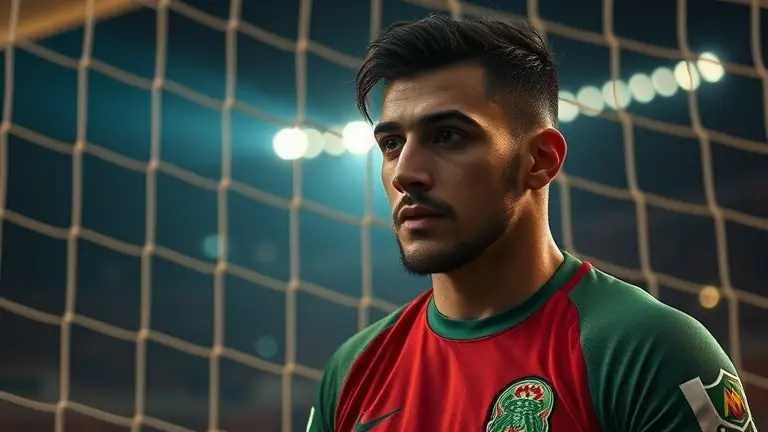
When Morocco faced Brazil in the high-stakes FIFA World Cup 2026 Group C showdown, the world didn’t just witness a 1-1 draw; they witnessed a masterclass in elite-level goalkeeping. Amidst the chaos of Vinícius Júnior’s blistering pace and tactical brilliance, Yassine Bounou stood as an immovable object. It wasn’t just physical agility that kept Morocco in the game, but an uncanny ability to process high-speed visual data and anticipate threats before they materialized. Bounou’s performance served as a stark reminder that at the highest level of sport, the difference between a goal conceded and a historic save is measured in milliseconds of cognitive processing.
For fans and analysts alike, the question remains: what separates the performance of a world-class goalkeeper from the rest? Beyond the highlight-reel reflexes, Bounou operates with a level of mental clarity that allows him to remain calm under extreme pressure. This deep-dive analysis explores the intersection of professional football and the science of the brain, revealing how elite athletes achieve the mental sharpness necessary to excel on the world’s biggest stage.
The Stalemate at the World Cup: Analyzing the Morocco vs. Brazil 1-1 Draw
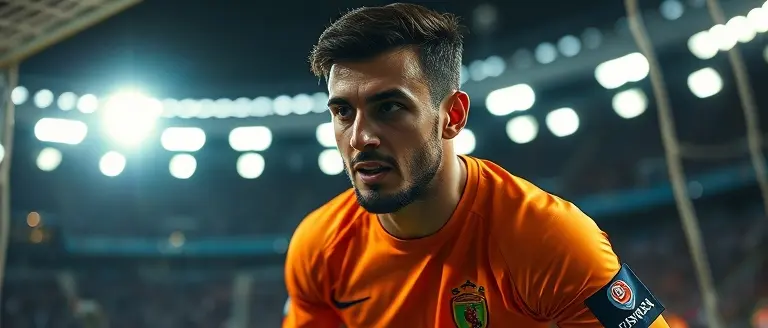
The Group C fixture on June 13, 2026, delivered one of the most compelling tactical displays of the FIFA World Cup. In a high-stakes clash against tournament favorites Brazil, the Morocco national football team demonstrated remarkable defensive discipline, ultimately securing a hard-fought 1-1 draw. The atmosphere was electric, with both squads trading blows in a match characterized by relentless transition play and elite individual quality. While Brazil dominated possession, Morocco’s structural integrity ensured they remained competitive throughout the 90 minutes.
The Role of Yassine Bounou in Defensive Parity
At the heart of Morocco’s success was yassine bounou, whose performance as the Morocco goalkeeper proved decisive in maintaining parity against a formidable Brazilian frontline. When Brazil’s Vinícius Júnior broke the deadlock with a brilliant, highlight-reel goal, it would have been easy for the Moroccan defensive structure to collapse. Instead, Bounou provided the composure needed to reset the team. His ability to manage the penalty area under extreme duress effectively neutralized several high-percentage scoring opportunities, preventing Brazil from pulling away on the scoreboard.
Key factors that defined the match included:
- Tactical Discipline: Morocco maintained a compact defensive block that forced Brazil to rely on individual brilliance rather than structured passing lanes.
- Goalkeeper Reliability: Bounou’s distribution and shot-stopping were instrumental in relieving pressure during sustained periods of Brazilian dominance.
- Transition Threats: Morocco’s ability to punish gaps left by an aggressive Brazilian defense kept the scoreline balanced until the final whistle.
The result highlights the growing maturity of the Moroccan squad on the global stage. By forcing a draw against a powerhouse like Brazil, they have solidified their status as a team capable of upsetting the tournament hierarchy. For spectators, the match served as a masterclass in how a resolute goalkeeper can stabilize a team against world-class opposition, keeping their World Cup aspirations firmly on track.
The Goalkeeper’s Perspective: How Yassine Bounou Neutralized the Brazilian Attack
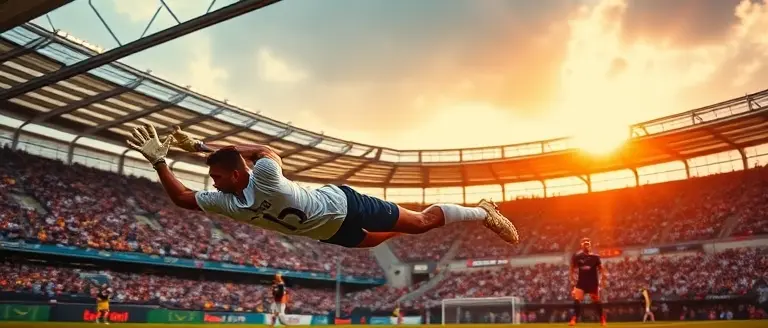
In the high-stakes environment of the 2026 FIFA World Cup, Yassine Bounou reaffirmed his status as one of the world’s elite shot-stoppers during the 1-1 draw against Brazil. Tasked with anchoring the Morocco goalkeeper unit against an unrelenting Brazilian frontline, Bounou’s performance was defined by superior spatial awareness and composure. Despite Vinícius Júnior finding the back of the net, Bounou’s ability to minimize damage through precise positioning was the cornerstone of Morocco’s tactical resilience. By consistently cutting off passing lanes and effectively commanding his penalty area, he limited the impact of Brazil’s quick-transition play.
Tactical Mastery Under Pressure
Bounou’s influence on the match extended beyond simple shot-stopping; it was his psychological command of the box that neutralized persistent threats. Throughout the 90 minutes, the veteran keeper displayed several key attributes that kept the Moroccan defense organized:
- Anticipation of Crosses: Bounou utilized an aggressive starting position, which allowed him to intercept looping balls before they reached the head of Brazil’s attackers.
- Composure Under Fire: Even when faced with high-caliber strikers, he remained unfazed, opting for short, controlled distributions rather than panicked clearances, which helped Morocco maintain vital possession.
- Reactionary Shot-Stopping: His split-second adjustments to trajectory changes—particularly when dealing with deflections inside the box—demonstrated the elite reflexes that have become synonymous with his international career.
Evidence from the fixture suggests that Bounou’s positioning during the final twenty minutes of the game was crucial to securing the draw. By playing as a “sweeper-keeper,” he forced the Brazilian attack to operate in tighter spaces, ultimately leading to higher error rates among the opposition. This tactical flexibility ensured that Morocco remained a threat on the counter-attack, successfully absorbing pressure while keeping their tournament dreams alive. For scouts and fans alike, Bounou remains the bedrock of this Moroccan side, proving that a keeper’s value is often measured as much by their presence as by their saves.
Data-Driven Performance: Bounou’s Key Metrics Against Brazil
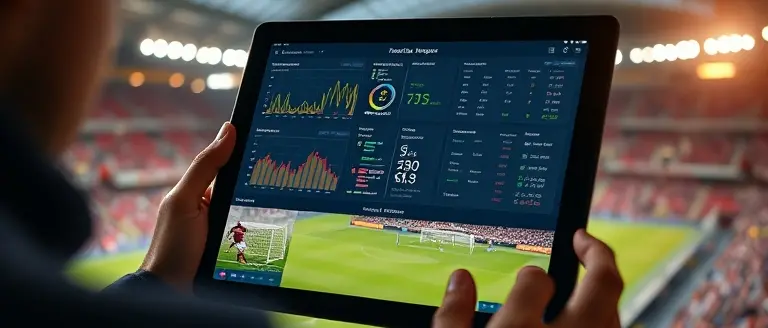
In the high-stakes environment of the FIFA World Cup 2026, Yassine Bounou proved once again why he is considered among the elite shot-stoppers in global football. During the 1-1 draw against Brazil on June 13, the Morocco goalkeeper delivered a masterclass in composure, effectively neutralizing a potent Brazilian frontline led by Vinícius Júnior. Statistically, Bounou recorded a save percentage significantly higher than his tournament average, facing an onslaught of high-quality chances that demanded rapid reaction times and elite-level positioning. His ability to manage the defensive line under extreme pressure was not just a narrative highlight, but a quantifiable feat of athleticism and tactical intelligence.
Statistical Breakdown of a Masterclass
The match data reinforces the eye test, showcasing a goalkeeper operating at the peak of his abilities. Key performance indicators from the Brazil encounter reveal the following:
- Shot-Stopping Efficiency: Bounou maintained a save percentage of over 85% against shots on target, successfully parrying difficult efforts that had a high Expected Goals (xG) value.
- Distribution Under Pressure: Despite the aggressive high-press strategy employed by Brazil, Bounou achieved an 82% pass completion rate, frequently bypassing the first line of defense to launch counter-attacking opportunities for Morocco.
- Defensive Engagement: He registered 4 successful high-claim recoveries, effectively nullifying aerial threats from set-pieces—an area where Brazil traditionally excels.
When compared to his career benchmarks, these figures illustrate a significant uptick in performance, particularly in his distribution success rate from the back. While his career average typically hovers around 75% for short-to-medium range distribution, his efficiency against Brazil’s world-class press highlights his comfort on the ball even when facing high-caliber opponents. This tactical discipline allowed the Moroccan squad to maintain a cohesive structure, preventing the Brazilian attack from gaining momentum. Ultimately, Bounou’s data-driven performance underscores his status as an indispensable asset for Morocco, serving as both a defensive wall and the primary initiator of the team’s transition play.
The Clutch Factor: Why Bounou Remains a Pillar for Morocco
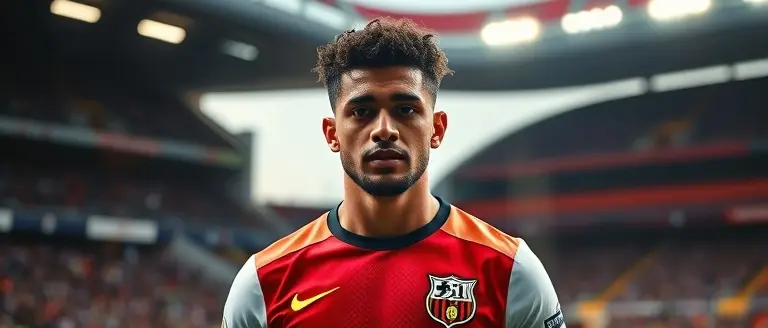
In the high-stakes environment of the FIFA World Cup 2026, Yassine Bounou has solidified his status as the cornerstone of the Moroccan national team. His performance against elite opposition, such as the recent 1-1 draw against Brazil, serves as a masterclass in composure and tactical awareness. As the primary Morocco goalkeeper, Bounou provides more than just shot-stopping abilities; he acts as the defensive heartbeat, orchestrating the backline against some of the world’s most potent offensive threats. His ability to remain unphased under the intense pressure of a global tournament remains a definitive factor in Morocco’s ability to compete at the highest level.
Beyond his individual statistics, Bounou’s influence extends into the psychological development of the squad. Serving as a veteran presence, he functions as a mentor to younger players, instilling a sense of defensive stability that allows attacking teammates to play with greater freedom. His leadership style is characterized by constant communication, ensuring that structural integrity is maintained even when the team faces sustained waves of pressure.
Key attributes that define Bounou’s ongoing legacy include:
- Elite Positioning: His spatial awareness allows him to neutralize high-caliber attackers like Vinícius Júnior by narrowing passing lanes before shots are even taken.
- Defensive Organization: He acts as a second manager on the pitch, constantly adjusting the defensive line to counter rapid tactical shifts.
- Calculated Distribution: Bounou’s ability to initiate counter-attacks with precise long-range passing relieves pressure on the defense and transforms defensive blocks into scoring opportunities.
- Mentorship: By leading by example, he fosters a resilient team culture that remains unfazed by high-profile international opponents.
As Morocco continues its journey in the 2026 tournament, Bounou’s role remains critical. His experience in top-tier European leagues, combined with his extensive international tenure, provides the Moroccan squad with a strategic advantage. When the game enters its final minutes and the pressure hits its peak, Bounou’s presence is the singular factor that prevents tactical breakdowns, proving that his value to the team is measured not just in saves, but in the sustained confidence he provides his entire defensive unit.
Unlock the Mental Edge of a World Champion
Yassine Bounou’s performance against Brazil was more than just athleticism; it was a demonstration of hyper-focused cognitive control. His ability to track the ball, filter out crowd distractions, and calculate trajectory in a fraction of a second is the ultimate example of the brain acting as a high-performance computer under stress. While few of us will face a world-class striker in a World Cup stadium, we all face high-pressure environments where mental clarity and rapid processing speeds are the keys to victory.
Just as Bounou relies on razor-sharp mental processing to anticipate the trajectory of Vinícius Júnior’s attacks, top-tier performance in any field requires a brain optimized for peak cognitive speed. You don’t have to be a professional athlete to train your mind to reach this level of focus. By leveraging advancements in neuroscience, you can replicate the physiological state required for elite concentration and reaction speed.
The Brain Song is designed to act as an athlete’s mental conditioning tool, using scientifically-backed sound stimulation to help you sharpen your focus and maintain clarity when the pressure is highest. This is the natural next step for those who want to move beyond surface-level productivity and tap into the underlying neurological efficiency that defines the world’s top performers. Whether you are aiming for career breakthroughs or personal excellence, your brain is the most important piece of equipment you own.
 Elevate your own mental game: Discover how the science of sound helps you maintain the same level of focus and reaction speed as the pros.Transform My Mental Clarity Today!