

When the first whistles blew for the 2026 FIFA World Cup, the world expected a seamless celebration of global football. Instead, millions of viewers were met with a jarring visual: vast, lifeless sections of empty seats in stadiums that were supposedly sold out. As images of these cavernous gaps circulated rapidly across X and TikTok, FIFA’s official response—attributing the phenomenon to fans lingering in concourses—was met with widespread skepticism. This isn’t just a PR issue; it is a symptom of a growing disconnect between commercialized, high-price ticketing strategies and the actual, on-the-ground fan experience.
The controversy raises an uncomfortable question: are these empty seats merely a logistical bottleneck, or are we witnessing the structural failure of a tournament model that prioritizes profit over accessibility? By stripping away the viral noise and examining the data behind these stadium crowds, we can uncover the true nature of this accessibility crisis. Just as any complex structure requires a blueprint to remain standing, a tournament of this scale depends on the integrity of its planning. When the initial blueprints fail, the entire infrastructure begins to crumble.
The Visual Discrepancy: Addressing the 2026 World Cup Empty Seat Narrative
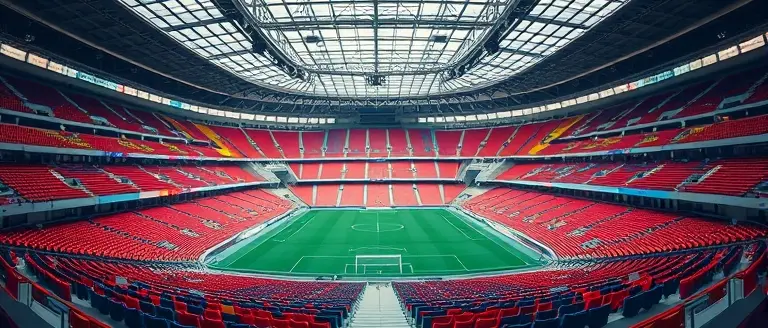
Within the first 48 hours of the 2026 FIFA World Cup, a jarring narrative began to dominate social media platforms like X and TikTok. Despite the immense global anticipation surrounding the tournament’s return to North America, viral images of prominent stadiums filled with noticeable gaps and empty seats quickly became the focal point of fan discourse. These visuals stand in stark contrast to the high-demand perception of the event, prompting widespread speculation regarding the actual health of tournament attendance and the effectiveness of current organizational logistics.
Examining the Viral Debate
The online reaction has been swift, with many veteran spectators noting that they have never witnessed such visible vacancies during a World Cup opening phase. This skepticism is fueled by several factors that have permeated the digital conversation:
- Ticket Pricing Controversies: Viral analysis and social sentiment point toward a perceived “accessibility crisis,” where tickets reportedly reaching $1,000+ have allegedly alienated the average fan.
- The Concourse Narrative: In response to the criticism, FIFA issued an official statement attributing the empty seats to fans choosing to congregate in the stadium concourses rather than their assigned seating areas.
- Logistical Skepticism: Many observers remain unconvinced by the concourse theory, questioning whether the trend is a byproduct of systemic entry bottlenecks or a symptom of broader commercialization issues.
The discrepancy between official reports and the reality captured on camera has turned the tournament’s attendance metrics into a central point of contention. While FIFA maintains that the events were sold out, the persistence of these visual gaps has forced a necessary investigation into whether this is a genuine case of low turnout, a failure in event management, or a broader disconnect between FIFA’s pricing strategies and the ability of the average supporter to engage with the 2026 World Cup. As the tournament progresses, the focus must shift from reactionary social media commentary to a data-backed inquiry regarding the true nature of these attendance trends.
FIFA’s Official Position and the Logistical Defense

In the wake of viral social media footage showing significant pockets of empty seats during the opening matches of the 2026 FIFA World Cup, FIFA has moved quickly to manage the optics. The governing body’s official response asserts that the visual discrepancies—often captured during the opening anthems or kickoff—do not accurately reflect total ticket sales. Instead, FIFA representatives have attributed the visible gaps to a confluence of logistical factors, most notably the high concentration of fans remaining in stadium concourses for food, beverage, and amenities rather than taking their assigned seats in the bowl.
Analyzing the Concourse Explanation
FIFA’s narrative positions these attendance gaps as a temporary byproduct of venue operations rather than a failure in interest or demand. The official defense suggests that:
- Infrastructure Bottlenecks: Enhanced security screening processes and post-pandemic entry protocols have led to slower movement through turnstiles, resulting in a delayed “in-seat” arrival time for a large portion of the match-going public.
- Concourse Behavior: Modern fan culture, particularly in North American venues, places a high premium on the match-day experience outside the seating bowl, where fans prioritize social hubs and retail areas.
- Verification Data: FIFA maintains that ticket sell-through rates remain at record highs, arguing that the reported empty seats are merely a snapshot in time rather than a lack of total attendance.
Despite these claims, the public response remains skeptical. Critics point out that the sheer scale of the vacant sections seen on broadcast television is unprecedented for a World Cup opener. The disconnect between FIFA’s administrative defense and the visual evidence shared on platforms like X and TikTok has fueled a growing narrative regarding accessibility. Many observers are questioning whether the combination of exorbitant ticket pricing, which has surged past the $1,000 threshold, and systemic logistical friction has created a barrier that prevents the stadium atmosphere from matching the high-stakes commercial reality of the tournament.
Pricing and Barriers: Is the World Cup Facing an Accessibility Crisis?

The visual of empty seats at the 2026 FIFA World Cup has ignited a fierce debate regarding the tournament’s accessibility crisis. While FIFA maintains that these gaps are temporary—blaming fans lingering in stadium concourses—skeptics point toward a more systemic issue: the prohibitive cost of attendance. With reports of ticket prices surging past the $1,000 threshold for marquee matches, the barrier to entry has shifted from a question of demand to one of economic exclusion. This disconnect between FIFA’s commercial revenue goals and the inclusive spirit of the sport suggests that the traditional “fan-first” model is being aggressively replaced by a high-stakes corporate hospitality structure.
Assessing the Economic Disconnect
To understand if these vacancies represent a genuine lack of turnout, we must evaluate how current pricing strategies compare to historical standards. Unlike previous tournaments where tickets were tiered to accommodate local markets and dedicated supporter bases, the 2026 model appears heavily weighted toward premium seating. Evidence suggests this strategy may have backfired:
- Price Sensitivity: Fans are increasingly vocal on platforms like TikTok and X, arguing that when ticket prices reach four-figure sums, even the most loyal supporters are forced to stay home.
- Corporate vs. Authentic Attendance: There is a growing concern that many tickets are being held by corporate sponsors or resellers who are not utilizing the seats, leaving massive gaps that are clearly visible on television broadcasts.
- The “Concourse” Defense: While logistics and long entry lines are common in major events, critics argue that citing these as the primary reason for empty blocks during the second half of matches is statistically improbable and ignores the reality of empty, unsold inventories.
Ultimately, if the “empty seats” phenomenon continues, FIFA may face a credibility crisis. The World Cup has long been celebrated for its atmosphere, which is fundamentally derived from the presence of passionate fans. By pricing out the average consumer, FIFA risks transforming the world’s most popular sporting event into a sterile, corporate-dominated affair that no longer reflects the heartbeat of global football.
Fan Sentiment: The Cost-to-Experience Ratio
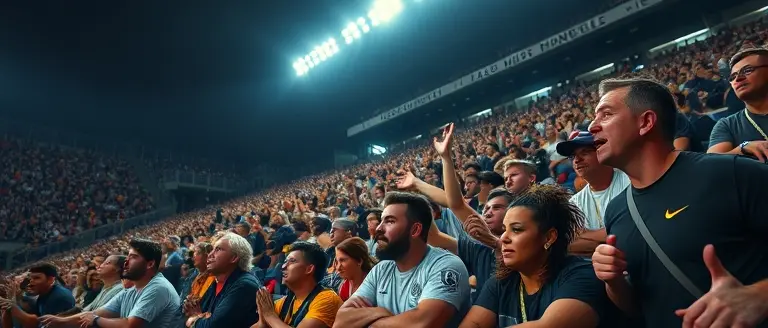
The emergence of empty seats across various venues during the 2026 FIFA World Cup has ignited a fierce debate regarding the cost-to-experience ratio for modern supporters. While FIFA has officially attributed these visual gaps to fans congregating in stadium concourses, the ground-level sentiment suggests a much deeper frustration. For many, the financial burden of attending matches—with ticket prices frequently exceeding $1,000—creates an expectation of premium service and seamless logistics that, in many instances, has not been met. When fans pay a significant premium, they expect more than just a seat; they demand a world-class environment that avoids the bottlenecks and entry delays that currently plague several host cities.
The Divide Between Revenue and Atmosphere
The tension between FIFA’s commercial revenue objectives and the preservation of a vibrant, full-stadium atmosphere has reached a breaking point. Social media platforms like TikTok and X have become hotbeds for criticism, with attendees questioning why premium-priced matches appear sparsely populated on global broadcasts. Key factors fueling this dissatisfaction include:
- Entry Logistics: Reported systemic delays at security and ticket scanning gates are preventing fans from reaching their seats before kickoff, creating the appearance of low attendance during critical match moments.
- Pricing Accessibility: There is a growing sentiment that high-tier pricing strategies have effectively excluded the “die-hard” supporter base, resulting in seats being held by corporate entities or casual attendees who may not prioritize arriving for the pre-match ceremonies.
- Value Perception: Supporters argue that if they are priced out of lower tiers, they expect the remaining stadium experience to be frictionless; however, the ongoing reports of crowded concourses suggest an infrastructure failure that detracts from the value of their investment.
As the tournament progresses, the disconnect between official explanations and the lived experiences of fans remains a central narrative. For the 2026 tournament to maintain its reputation, there is an urgent need for transparency regarding ticket sell-through rates versus actual occupancy. Unless these logistical hurdles are cleared and the pricing structure is reconciled with fan accessibility, the visual of empty seats will continue to overshadow the sporting spectacle, potentially damaging the long-term legacy of this host model.
The Blueprint for Precision and Certainty
The empty seats at the 2026 World Cup serve as a stark reminder that even the most ambitious projects fail when they lack a solid, verifiable foundation. Whether it is managing a global sporting event or executing a complex personal project, the difference between success and a public-facing disaster lies in the quality of the instructions you follow. When you settle for ‘vague blueprints,’ you are destined for the same logistical breakdown that currently defines the tournament’s management.
We believe in the power of professional-grade preparation. Much like the difference between the chaotic, error-prone execution of FIFA’s current logistics and a high-functioning system, your own projects deserve more than trial-and-error. By utilizing meticulous, verified planning, you strip away the uncertainty that leads to frustration and half-finished results. It is time to stop guessing and start building with the confidence that only precision-engineered guidance can provide.
If you are tired of watching ‘half-finished’ results and prefer the professional certainty that comes with 16,000 verified, step-by-step blueprints, discover the precision of Ted’s Woodworking.
 If you are tired of watching ‘half-finished’ results and prefer the professional certainty that comes with 16,000 verified, step-by-step blueprints, discover the precision of Ted’s Woodworking.Transform My Projects Today