
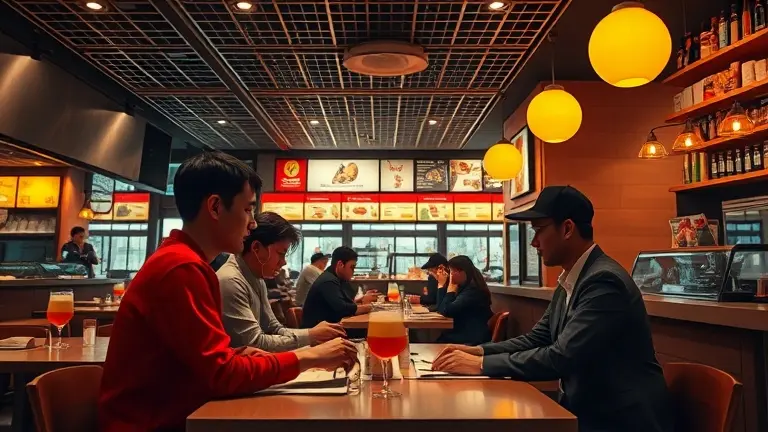
The modern restaurant chain is currently standing at a perilous crossroads, caught between the crushing weight of rising food costs and the cold, unyielding promise of technological salvation. As industry giants like Red Lobster pivot toward AI-driven labor models to survive bankruptcy, the sector is forced to grapple with a fundamental question: can algorithms truly replicate the warmth of human hospitality, or are we sacrificing the very soul of the dining experience for the sake of an efficiency metric? From the shifting menu landscapes of major players like McDonald’s to the impending operational surge of the 2026 FIFA World Cup, the pressure to optimize is no longer optional—it is a matter of survival.
However, the transition from manual, legacy processes to fully automated systems is fraught with risks. As managers scramble to scale their workforces and refine supply chains for localized events, they face a recurring trap: the reliance on vague guesswork rather than systemic precision. Much like a master carpenter understands that a structure is only as strong as its blueprint, the successful restaurant chain of the future must move beyond experimental trial-and-error. True competitive advantage now lies in the ability to bridge the gap between AI-driven forecasting and the rigorous, foolproof execution that maintains service quality when it matters most.
The 2026 Landscape: Financial Headwinds and the Pivot to Tech
The US restaurant chain sector currently finds itself at a precarious crossroads, defined by a dual struggle: persistent macroeconomic pressure and the rapid adoption of digital infrastructure. As of June 2026, data from Technomic indicates a projected 5.1% increase in foodservice sales; however, this growth is heavily shadowed by soaring food costs. These inflationary pressures have forced operators to rethink their core value propositions, leading to a visible shift in menu diversification, such as the aggressive expansion of beverage programs seen at brands like McDonald’s.
The AI-Driven Operational Pivot
To mitigate thinning profit margins, major chains are increasingly leaning into AI-driven operational efficiency. A landmark example is the post-bankruptcy strategy of Red Lobster, which is positioning itself to become a highly automated enterprise. By leveraging artificial intelligence for complex tasks such as inventory forecasting, labor scheduling, and dynamic kitchen operations, the brand aims to reclaim profitability. This trend is not isolated; across the industry, AI is being deployed as a mechanism to offset labor expenses and reduce waste, creating a systemic shift in how a standard restaurant chain manages its day-to-day overhead.
Event-Driven Demand and Future-Proofing
Beyond structural changes, the industry is recalibrating for major localized demand surges. The 2026 FIFA World Cup stands out as a critical stress test for modern supply chains. Insights from regional data—such as the massive spike in Florida pizza orders—highlight how global sporting events can dictate short-term success for quick-service brands. To thrive in this volatile climate, managers are prioritizing:
- Precision Staffing: Using real-time data analytics to predict event-driven traffic.
- Inventory Resilience: Tightening supply chain logistics to prevent shortages during localized demand spikes.
- Technological Integration: Balancing automated kitchen processes with the need to maintain brand identity and human-centric service.
As chains continue to navigate these headwinds, the ability to harmonize high-tech efficiency with the evolving expectations of the American diner will likely dictate the market winners of the next decade.
The AI-First Restaurant: Balancing Efficiency with Human Connection

The modern restaurant chain is currently navigating a precarious transition, attempting to reconcile aggressive technological integration with the timeless demand for warm, human-centric hospitality. As financial pressures mount—driven by soaring food costs and the need for operational recovery—major players are looking to AI to solve systemic inefficiencies. The recent pivot of brands like Red Lobster toward becoming “AI-driven” organizations underscores a broader industry move where machine learning handles complex tasks like predictive inventory forecasting, dynamic menu pricing, and granular labor scheduling. While these tools are essential for managing a 5.1% projected increase in foodservice sales, they introduce a distinct risk: the “cold experience” that can alienate loyal customers who visit for the social ritual of dining rather than just fuel.
The Threshold of Automation
The primary challenge for today’s managers is identifying the threshold where technology enhances service versus when it replaces the human connection. Evidence suggests that while AI excels at back-of-house operations, automating the front-of-house can disrupt the emotional resonance of a dining experience. To maintain the balance, industry leaders should adopt a “human-in-the-loop” strategy:
- Operational Transparency: Use AI to optimize kitchen workflows so staff can spend more time engaging with diners rather than juggling manual spreadsheets.
- Data-Driven Empathy: Leverage customer data to anticipate individual preferences, allowing staff to provide personalized recommendations that feel authentic, not algorithmic.
- Service Recovery: Reserve human judgment for conflict resolution and high-touch service moments, ensuring that technology serves as a foundation for reliability rather than a barrier to interaction.
Ultimately, the most successful chains will be those that use AI to eliminate the “friction” of the dining experience—long wait times, supply chain disruptions, and inconsistent quality—without stripping away the hospitality that defines the brand. By focusing technology on invisible, backend utility, a restaurant chain can protect the human element that keeps guests returning.
Strategic Diversification: Beyond the Core Menu
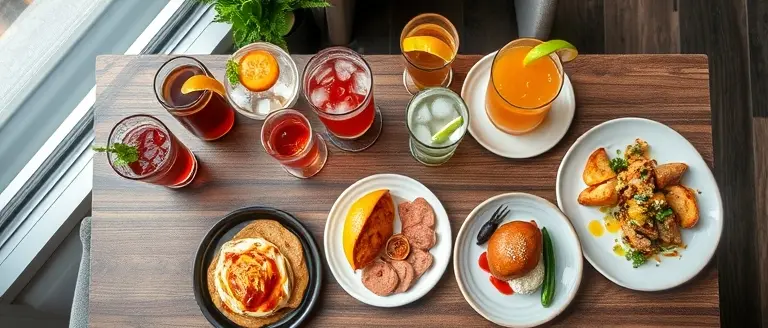
In the current US economic climate, the modern restaurant chain faces a precarious squeeze: volatile commodity prices are driving up food costs, while price-sensitive consumers are increasingly hesitant to pay premiums for standard menu items. To protect profit margins without pushing loyal diners toward competitors, major players are pivoting toward strategic menu diversification. By expanding beyond their core culinary offerings into high-margin categories, chains are effectively insulating their bottom lines from the inflationary pressures currently rattling the industry.
The Power of High-Margin Portfolio Expansion
A prime example of this pivot is the recent strategy employed by industry giants like McDonald’s, which has significantly scaled its beverage offerings to capture the “snack-time” demographic. Diversifying the menu acts as a tactical hedge; beverages and specialized side items often carry lower ingredient costs and higher markups compared to protein-heavy main courses. This approach allows a restaurant chain to:
- Buffer against food inflation: By shifting the focus to items with stable supply chains, brands reduce reliance on volatile meat and produce markets.
- Increase frequency of visits: Offering a broader range of products encourages customers to stop by during non-peak hours, such as mid-afternoon or late evening.
- Enhance price elasticity: It provides an “accessible entry point” for value-conscious consumers who may skip a full meal but will still participate in the brand ecosystem through a premium drink or small treat.
This strategic recalibration is essential for maintaining financial stability as the industry anticipates a 5.1% increase in foodservice sales through 2026. By evolving from a singular product focus to a diversified retail model, restaurant leaders can maintain operational resilience, ensuring that even when raw food costs surge, the brand remains a profitable and indispensable part of the consumer’s daily routine.
Operational Playbook: Managing World Cup Demand Surges

The 2026 FIFA World Cup represents a significant revenue opportunity for any restaurant chain, but capitalizing on localized demand surges requires a shift from reactive to predictive management. Data from recent event cycles indicates that quick-service categories, particularly those specializing in pizza and shareable finger foods, experience disproportionate traffic spikes during match hours. To maintain service quality without eroding margins, managers must transition to a data-informed operational model that synchronizes staffing levels with match schedules.
Data-Driven Scheduling and Inventory Optimization
Successful operators are currently utilizing predictive analytics to map local match kickoff times against historical sales data. By aligning shift rosters with these peak viewing windows, managers can prevent the service bottlenecks that often plague chains during high-volume sports events. Consider the following strategies for your location:
- Localized Inventory Scaling: Audit historical sales data from similar sporting events to forecast inventory needs. Increase procurement of high-velocity items like dough, cheese, and beverages 48 hours before high-profile matches to avoid stockouts.
- Dynamic Staffing Models: Deploy “surge-support” shifts. Instead of standard rotational scheduling, implement 4-hour high-intensity blocks specifically for the duration of popular matches, ensuring kitchen throughput remains consistent.
- AI-Enabled Forecasting: Leverage existing POS-integrated AI tools to refine labor forecasting. These tools can account for external variables such as weather, local team performance, and match intensity, allowing for more precise adjustments to prep-work lists.
By integrating these tactical adjustments, a restaurant chain can protect its reputation for speed-of-service while maximizing revenue. Ensuring that your digital ordering platform is throttled correctly during peak demand—or incentivizing off-peak pre-ordering—can further alleviate kitchen stress. Ultimately, the goal is to balance the aggressive volume of the World Cup with consistent, human-centric hospitality that keeps customers returning long after the tournament ends.
Building the Blueprint for Operational Certainty
The path forward for any restaurant chain in 2026 is clear: success is no longer a matter of luck, but one of meticulous, data-backed execution. As we have explored, the friction between AI integration and human-centric service can only be resolved through absolute clarity in your underlying operational frameworks. When you eliminate the guesswork from your supply chain and labor management, you are not just reducing waste; you are creating the breathing room necessary to focus on the customer experience that AI simply cannot manufacture.
This is where the principles of precision-based planning, perfected in the most demanding crafts, translate perfectly to your kitchen and front-of-house operations. Much like a professional builder utilizes verified blueprints to avoid costly, structural errors, your management team requires a structured, workshop-tested system to ensure consistency under pressure. Ted’s Woodworking represents the ultimate metaphor for this operational certainty, offering a comprehensive methodology to replace fragmented habits with replicable, high-performance workflows that stabilize your business during market surges like the upcoming World Cup.
Don’t leave your restaurant’s performance to chance while your competitors standardize their success. By adopting these industry-standard blueprints, you can effectively eliminate operational ‘noise’ and transform your management strategy from a source of daily friction into a streamlined, high-performance machine. The investment you make in structural precision today will pay dividends in service quality and profitability tomorrow.
 Download the industry-standard blueprints for operational efficiency and transform your restaurant management from a source of friction into a streamlined, high-performance machine.Transform My Management Strategy Today!