

New York City is currently locked in a precarious climate cycle, with a dangerous combination of mid-90s temperatures and oppressive humidity forcing the city into high-alert status. Beyond the immediate heat advisory, meteorologists are tracking severe thunderstorm risks capable of unleashing 60-70 mph winds, hail, and flash flooding. This isn’t just an isolated weather incident; it is a clear warning sign as we enter an unpredictable season defined by the National Weather Service’s latest El Niño declaration. For New Yorkers, the reality is shifting: these extreme atmospheric events are testing the limits of our urban infrastructure, from power grids to the very integrity of our homes.
Staying informed about storm trajectories is only half the battle. As we face a season where climate volatility is the new normal, the focus must shift from passive monitoring to active, structural defense. Whether you are dealing with weakened outdoor fencing, loose structural siding, or the need for reinforced shutters, the current weather climate demands that your property be as resilient as the city itself. Understanding how to fortify your living space is no longer a luxury—it is a critical necessity for every homeowner in the path of these increasingly frequent, high-stakes weather events.
NYC Weather Alert: Dangerous Heatwave and Imminent Storm Threat
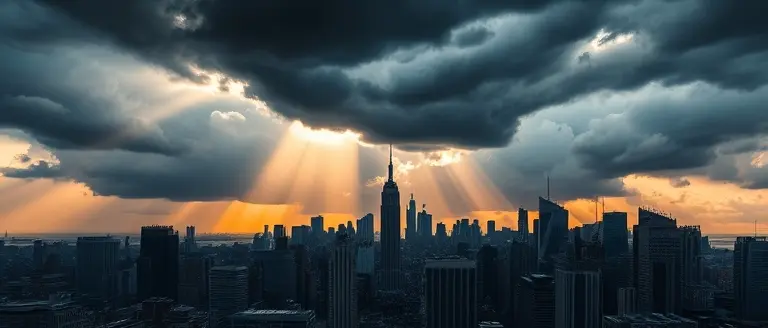
As of June 12, 2026, New York City is facing a volatile atmospheric situation that demands immediate attention. Residents are currently grappling with a dangerous combination of mid-90s (°F) temperatures and oppressive humidity, triggering a heat advisory across the five boroughs, New Jersey, and Long Island. This extreme thermal energy is acting as a catalyst for a high-stakes weather event, with meteorologists explicitly warning of an imminent shift toward severe thunderstorms. The weather NYC forecast indicates that these storms are not typical summer showers; they carry the potential for damaging 60-70 mph wind gusts, significant hail, and rapid flash flooding in low-lying urban areas.
Immediate Safety Risks and Commuter Guidance
The current NYC weather conditions present a multi-faceted threat to public safety and infrastructure. Authorities have highlighted the following critical risks during this 24-hour window:
- Infrastructure Stress: The NYISO 2026 Power Trends Report notes that heat-related spikes in demand, combined with storm-induced damage, may lead to localized power instability.
- Wind and Debris: With winds potentially reaching 70 mph, loose items on balconies, construction sites, and rooftops pose a severe hazard to pedestrians.
- Flash Flooding: Rapid rainfall in urban canyons can overwhelm drainage systems, leading to hazardous travel conditions and potential subway disruptions.
- Heat-Related Illness: High humidity significantly lowers the body’s ability to cool itself, making prolonged outdoor exposure dangerous even for those in good health.
Public urgency remains high as the city transitions from extreme heat to violent convective activity. Residents are advised to monitor official channels, secure outdoor property, and prepare for potential transit delays during the evening commute. Given the rapid evolution of this new york weather pattern, exercising extreme caution and prioritizing personal safety over non-essential travel is strongly recommended until the atmospheric volatility subsides.
Protecting Your Home and Property from 70 MPH Winds

As NYC weather conditions turn volatile, local residents must take immediate, proactive steps to secure their living spaces against the threat of 70 mph winds and severe thunderstorms. With the current new york weather forecast warning of damaging gusts and potential flooding, the physical integrity of your property depends on rapid preparation. According to official NYC Emergency Management guidelines, the objective is to minimize projectiles and ensure proper drainage to prevent interior water damage during high-intensity events.
Essential Securing Measures
To mitigate the risk of damage, homeowners and renters should implement the following safety protocols:
- Secure Outdoor Items: Bring all balcony furniture, potted plants, and decorative items indoors. If these items cannot be moved, anchor them securely to structural elements or weight them down, as high winds can easily transform them into hazardous projectiles.
- Clear Drainage Paths: Ensure that balconies, gutters, and street-level drains near your property are free of debris. Severe storms often bring flash flooding; clearing these pathways is vital for managing heavy rainfall and preventing water accumulation.
- Seal Vulnerable Entry Points: Check window seals and door thresholds. High-velocity winds often force rain into small gaps. Reinforcing these seals or applying weather stripping can significantly reduce the risk of structural water infiltration.
- Power Grid Awareness: Given the NYISO 2026 Power Trends Report regarding increased grid volatility, unplug sensitive electronic devices during severe storms to protect them from potential power surges caused by lightning or downed lines.
Beyond physical property protection, maintaining a well-stocked emergency kit is a critical component of your safety plan. Ensure you have flashlights with fresh batteries, a battery-powered radio, non-perishable food, and at least one gallon of water per person per day. By addressing these risks before the storm hits, you significantly increase the safety and resilience of your household during the current weather nyc crisis. Stay informed through official city alerts and prioritize safety by remaining indoors until the advisory is lifted.
Commuting Safely During Extreme NYC Weather
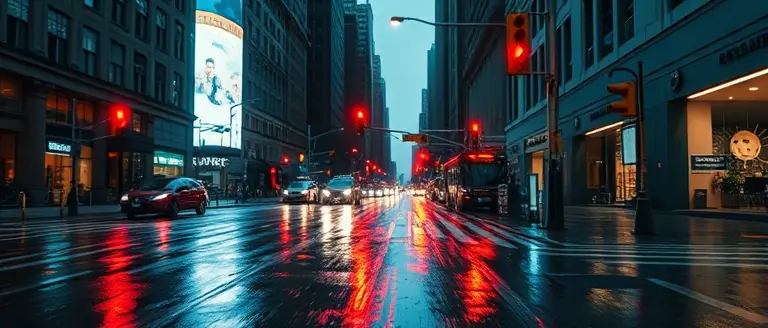
Navigating weather NYC conditions during an active severe weather alert requires extreme caution and proactive planning. With the current forecast calling for 60-70 mph winds, localized flooding, and hail, the city’s transportation network faces significant strain. If you must commute, prioritize real-time updates over habitual routes. The MTA often experiences signal issues and track flooding during high-intensity storms; before heading out, check the official MTA website or their social media channels for real-time service disruptions. Avoid subway stations that are historically prone to flooding and remain vigilant for delays caused by power grid instability.
Essential Safety Strategies for Commuters
If you are operating a vehicle during this new york weather event, your safety strategy must shift from efficiency to survival. High-speed wind gusts can easily compromise vehicle stability, especially on elevated bridges or tunnels. Follow these critical guidelines to mitigate risk:
- Avoid Underpasses and Low-Lying Roads: Do not attempt to drive through flooded areas. Even shallow-looking water can conceal significant depth, leading to engine hydro-locking or vehicle stalling.
- Manage Hail Exposure: If hail begins to fall, pull over safely to a sturdy parking garage or under a gas station awning. Never stop your vehicle in the middle of a travel lane, as this creates a multi-vehicle collision risk.
- Maintain Distance: High winds can cause debris to fall or push vehicles into adjacent lanes. Increase your following distance to provide adequate reaction time.
- Stay Informed: Register for Notify NYC alerts to receive the latest emergency information directly from the city. Official communication channels are the most reliable source for emergency street closures or transit suspensions.
Given the added pressure of the current El Niño climate pattern, these extreme atmospheric events may occur with higher frequency. Always have an emergency plan in place, and if the National Weather Service issues a severe thunderstorm warning for your immediate area, consider delaying your commute until the threat of damaging winds and hail has officially passed. Personal safety must always take precedence over maintaining your daily schedule.
2026-2027 Seasonal Outlook: Understanding the El Niño Shift

The current weather nyc emergency, characterized by oppressive heat and the threat of severe storms, is not merely an isolated anomaly; it serves as a high-stakes introduction to the newly declared El Niño cycle. As confirmed by the NOAA Climate Prediction Center, this atmospheric phenomenon is officially underway for the 2026-2027 season, fundamentally altering the baseline expectations for regional climate patterns. While daily nyc weather updates focus on immediate safety, understanding this long-term trend is critical for residents preparing for a more volatile year ahead. Meteorologists anticipate that this El Niño will shift the Pacific jet stream, typically resulting in warmer-than-average winter conditions for the Northeast, but also increasing the frequency of intense, moisture-laden storm systems throughout the calendar year.
Meteorological Impacts on New York City
The interaction between the current El Niño and the local urban landscape creates specific challenges for infrastructure and public safety. Because urban areas like New York City act as heat islands, the exacerbated humidity and temperature spikes associated with this cycle can push the city’s power grid to its breaking point. Recent findings from the NYISO 2026 Power Trends Report indicate that shrinking supply margins are particularly vulnerable during these extreme shifts. To navigate the coming months, New Yorkers should anticipate the following:
- Increased Precipitation Intensity: Expect more frequent, high-volume rain events that may challenge current stormwater management systems.
- Elevated Temperature Volatility: While winters may trend milder, the transition seasons will likely see erratic, rapid swings between extreme heat and cool fronts.
- Grid Pressure: Periods of high humidity and heat will coincide with peak electricity demand, increasing the probability of localized power disruptions.
- Storm Severity: The atmospheric energy generated by El Niño provides additional fuel for severe thunderstorms, which can manifest as the damaging 60-70 mph winds and hail currently being reported across the region.
As new york weather patterns remain in flux, staying informed on long-term shifts is just as important as monitoring daily alerts. Residents are encouraged to prioritize property hardening—such as securing outdoor furniture and clearing gutters—to mitigate the risks associated with this heightened seasonal instability.
Fortifying Your Sanctuary Against the Elements
As the climate patterns of the 2026 El Niño cycle continue to challenge New York City’s resilience, the importance of proactive home fortification cannot be overstated. While official warnings provide the data, it is your personal preparation that provides the security. Weathering the storm requires more than just caution; it requires a structural defense that can withstand the raw power of 70 mph gusts and the relentless pressure of intense summer storms.
This is where your preparedness strategy must evolve. Rather than waiting for the next emergency alert, you can take control by building custom, professional-grade reinforcements designed to protect your most valuable asset. Ted’s Woodworking offers an extensive library of 16,000 professional plans, providing the technical blueprints necessary to secure your property. From custom-built storm shields to structural deck reinforcements, these workshop-tested plans bridge the gap between temporary fixes and permanent, robust safety solutions.
By leveraging these professional designs, you are not just building furniture or repairs; you are actively ‘storm-proofing’ your home against the unpredictable shifts forecasted for the coming season. Empowerment comes from action, and the best time to secure your home’s integrity is long before the next front reaches the coast. Stop leaving your property’s safety to chance and start building the reinforcements that will provide peace of mind for you and your family.
 Download these professional woodworking plans today to start building custom storm reinforcements before the next front hits.Secure My Home Now!