
The 2026 FIFA World Cup has officially arrived, transforming the North American landscape into a global stage of unmatched energy. Rather than a singular focus, this tournament kicked off with a decentralized spectacle, spanning iconic venues from Mexico City to the United States and Canada. Fans watching the World Cup opening ceremony 2026 were treated to a diverse tapestry of musical cultures, featuring legends like Shakira and Burna Boy at the historic Estadio Azteca, while simultaneous celebrations across the U.S. and Canada—starring artists like Katy Perry, Future, and Michael Bublé—redefined how the world experiences the tournament’s debut.
Keeping pace with such a vast array of performances across multiple time zones can be overwhelming, leaving many fans searching for a clear guide to the event’s highlights. Whether you are tracking the cultural fusion of the opening ceremonies or looking to relive the best moments of each host city, navigating this whirlwind of content requires constant attention. Below, we break down exactly who graced the stages, providing a definitive roadmap to the performances that marked the start of this historic competition.
The Decentralized Kick-off: How the 2026 World Cup Ceremonies Redefined the Opening
The 2026 FIFA World Cup officially signaled a historic shift in global sporting events by abandoning the traditional single-host opening model. Rather than confining the festivities to one venue, organizers implemented a groundbreaking, decentralized approach that spanned the North American continent. By hosting simultaneous and staggered celebrations across Mexico, the United States, and Canada, FIFA emphasized the collective nature of this multi-nation tournament. This strategy ensured that the world cup opening ceremony 2026 was not merely a localized spectacle, but a cohesive, cross-border experience that allowed each host nation to highlight its distinct cultural identity while remaining unified under the FIFA banner.
Embracing a Multi-National Identity
This format addressed the logistical challenges of a tournament of this magnitude while maximizing fan engagement. By distributing the performances, the organizers successfully avoided the congestion typical of a single-city kickoff and provided a broader audience with immediate access to the festivities. The decentralized structure effectively bridged the gap between the three host countries, ensuring that the USA opening ceremony and the concurrent events in Mexico and Canada felt like essential components of a single, grand opening narrative rather than isolated incidents.
Key aspects of this decentralized strategy included:
- Synchronized Programming: Aligning key segments to foster a sense of shared anticipation across different time zones.
- Cultural Representation: Empowering local talent to anchor performances in their home regions, such as the star-studded lineup at Estadio Azteca and the major artists headlining in the United States and Canada.
- Fan Accessibility: Reducing the travel burden for spectators by creating “hub” celebrations that catered to local fanbases while streaming content globally.
This structural evolution has set a new benchmark for future international tournaments, proving that large-scale events can maintain a unified theme even when executed across vast geographic distances. By decentralizing the kick-off, FIFA has redefined what it means for a host country to welcome the world, ensuring the 2026 legacy is built on inclusivity and broad, regional participation.
Master Performance Guide: Who Played Where?
The 2026 FIFA World Cup introduced a groundbreaking, decentralized approach to its festivities, moving away from a single, traditional stadium event. Instead, the world cup opening ceremony 2026 was split across three host nations to celebrate the unique cultural identity of each region. Fans searching for who is performing at the world cup 2026 often find fragmented reports due to the simultaneous nature of these celebrations. To provide clarity, we have consolidated the official lineups into a comprehensive reference guide below, ensuring you can track exactly which artists represented their respective host countries during the tournament’s kickoff.
Performance Breakdown by Host Nation
The following table categorizes the artists by their primary host country. While Mexico hosted the primary inaugural event at Estadio Azteca on June 11, the USA opening ceremony and Canadian festivities followed on June 12, creating a rolling wave of entertainment across North America.
| Host Country | Primary Headliners | Additional Performing Artists |
| :— | :— | :— |
| Mexico | Shakira, Burna Boy | Maná, Alejandro Fernández, Belinda, Lila Downs, Los Ángeles Azules, Danny Ocean |
| USA | Katy Perry, Future | Anitta, Tyla, Lisa, Rema |
| Canada | Michael Bublé, Alanis Morissette | Alessia Cara, Nora Fatehi, Vegedream |
This decentralized structure allowed for a diverse musical tapestry, blending global pop icons with regional legends. By hosting events across multiple borders, FIFA ensured that the USA opening ceremony felt distinctly vibrant, while the Mexican and Canadian stages highlighted their own deep-rooted musical heritage. Social media sentiment has been overwhelmingly positive regarding this format, as it allowed for a broader range of talent to participate than a standard single-stage production. Whether you were tuning in for the global spectacle of the world cup opening ceremony 2026 or following localized feeds, the production quality across all three nations set a high bar for the remainder of the tournament.
Performance Highlights: Unforgettable Moments from the Opening Weekend
The 2026 FIFA World Cup opening weekend was defined by a bold, decentralized approach that transformed the traditional kickoff into a global musical marathon. Fans asking who is performing at the World Cup 2026 were met with a spectacular array of talent that bridged continents and cultures. The festivities began with a thunderous energy at Mexico City’s iconic Estadio Azteca, where the fusion of traditional mariachi elements and high-energy pop signaled the tournament’s official start. Shakira’s return to the World Cup stage was undoubtedly the weekend’s emotional anchor, while Burna Boy brought a vibrant, Afro-fusion sound that resonated deeply with the international crowd, proving that the world cup opening ceremony 2026 was designed to be a truly global showcase.
Standout Musical Experiences Across Host Nations
The production values across the three host nations were distinct, each curated to reflect local musical identities while maintaining the grand scale expected of the tournament. The USA opening ceremony festivities took a high-production, stadium-rock approach, leveraging the star power of global icons to create an atmosphere of pure spectacle.
Key performance highlights included:
- Mexico: A deeply cultural opening featuring Maná and Alejandro Fernández, which honored the host’s heritage through a contemporary lens.
- USA: A sleek, high-tempo show led by Katy Perry and Future, with breakout performances from Lisa and Tyla that dominated social media discourse.
- Canada: A sophisticated, melody-driven showcase where Alanis Morissette and Michael Bublé delivered anthemic, crowd-pleasing sets that brought a sense of unity to the northern stadiums.
Fans and critics alike have praised the intentional diversity of the lineups. By moving away from a singular, centralized event, FIFA allowed each country to curate a unique musical narrative. Whether it was the high-energy pop beats found in the American sets or the soulful, harmonious arrangements in Canada, the 2026 opening weekend established a high bar for cultural representation, ensuring that the musical journey was just as competitive and dynamic as the matches themselves.
Fan Reactions and Social Media Buzz
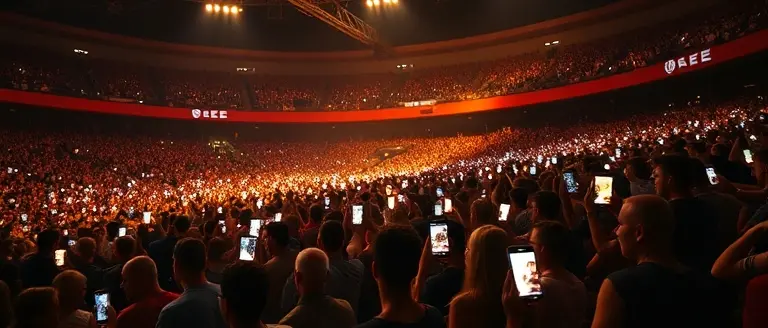
The 2026 FIFA World Cup opening festivities have ignited a firestorm of engagement across social media platforms, with fans debating the merits of the tournament’s decentralized approach. As users searched for who is performing at the world cup 2026, platforms like X (formerly Twitter) and Reddit became central hubs for real-time reactions to the diverse lineups. While some traditionalists expressed nostalgia for a single, monolithic opening show, the majority of the discourse highlights the success of the tripartite format. The USA opening ceremony events in particular generated significant viral traction, with clips of Katy Perry and Future trending globally within minutes of their sets.
Viral Moments and Cultural Impact
The online consensus suggests that the “cultural fusion” theme resonated deeply with a global audience. Spectators were particularly vocal about the contrast between the historic atmosphere at Estadio Azteca and the high-energy, pop-focused production seen during the world cup opening ceremony 2026 events in the United States and Canada. Key highlights driving the conversation include:
- Shakira’s Global Appeal: Clips from the Mexico City event were the most shared, with fans praising the production’s ability to weave traditional Latin rhythms with modern stadium spectacle.
- The US Production Value: The digital community heavily discussed the slick, concert-style production of the U.S. stage, specifically highlighting the collaborative performances between Anitta and Tyla.
- Canadian Musical Pride: The integration of Canadian icons like Alanis Morissette and Michael Bublé was noted by critics as a masterclass in representing national identity, earning widespread approval on Reddit’s soccer-centric subreddits.
Sentiment analysis indicates that despite initial confusion regarding the decentralized schedule, the high caliber of talent effectively mitigated criticism. Hashtags such as #WorldCup2026Performances and #FIFAOpening continue to trend, with influencers and music reviewers providing deep-dive breakdowns of setlists. The prevailing takeaway is that by spreading the events across three nations, FIFA successfully created a multi-layered experience that feels more inclusive and globally representative than previous, centralized iterations.
Reclaim Your Focus for the Beautiful Game
From the electrifying rhythms at the Estadio Azteca to the high-energy performances across the U.S. and Canada, the 2026 World Cup opening ceremonies have set an incredible precedent for the tournament. Consolidating these fragmented highlights into one cohesive experience allows you to appreciate the cultural depth of this massive global event without losing your way in the noise of social media updates and rapid-fire news cycles.
However, we know that tracking the constant stream of match data, player stats, and performance replays can lead to mental fatigue. The sheer velocity of the tournament experience demands high-level cognitive engagement, and finding a moment to pause and reset is crucial to actually enjoying the matches themselves. This is where your ability to sustain focus becomes your most valuable asset as a fan.
To help you stay sharp and fully present for every iconic moment, we recommend incorporating a brief mental recalibration into your daily viewing routine. By using specialized auditory stimulation, you can optimize your brain function to process complex information with ease, ensuring you remain at the top of your game throughout the tournament. Don’t let mental fog cloud your experience—recharge your mind and stay tuned for the next big play with science-backed support.
 Recharge your focus for the next match; try this 12-minute auditory routine to stay sharp while tracking the tournament’s best moments.Transform My Focus Today!