
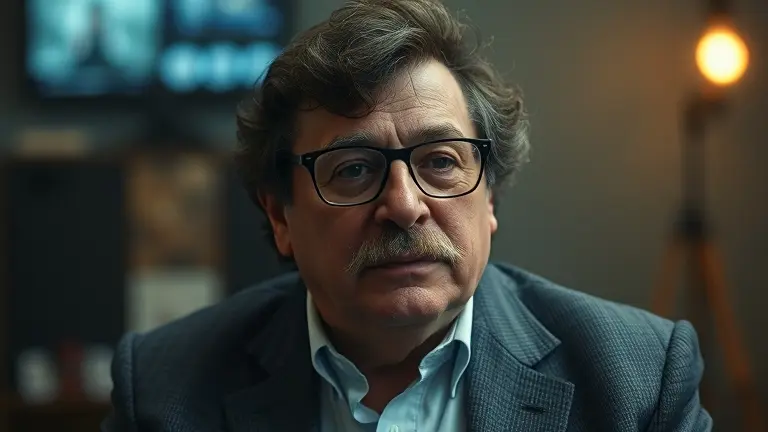
The landscape of American television feels significantly quieter today following the passing of legendary film critic Gene Shalit at the age of 100. For over four decades, Shalit was a fixture on NBC’s TODAY show, a beloved icon instantly recognizable by his signature handlebar mustache, eccentric hairstyles, and a quick-witted, pun-heavy style of critique that defined a golden era of broadcast journalism. He didn’t just review movies; he invited audiences into a conversation, turning film criticism into an accessible, personality-driven art form that resonated in households across the nation.
Shalit’s death on June 12, 2026, marks the end of a singular chapter in media history. As we look back on his remarkable career, we are reminded of a time when deep listening and thoughtful commentary were at the heart of our cultural experience. His legacy serves as more than just a tribute to a man; it is a celebration of the joy of cinema and the enduring power of a voice that could both inform and entertain with unmatched charm.
Remembering Gene Shalit: A Century of Broadcasting History
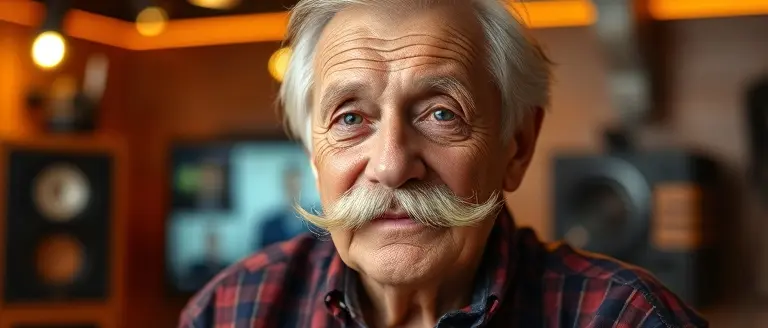
The media landscape lost one of its most recognizable figures on June 12, 2026, as the world mourns the passing of legendary film critic Gene Shalit at the age of 100. Best known for his four-decade tenure on NBC’s ‘TODAY’ show, Shalit was more than just a reviewer; he was a fixture of American morning television who helped define the personality-driven era of broadcasting. With his signature bushy mustache, wild hair, and an unparalleled penchant for puns, he transformed the way mainstream audiences engaged with cinema, turning film criticism into a form of entertainment that felt both accessible and deeply personal.
His death marks the end of a transformative chapter in television history. For forty years, Shalit served as a trusted guide for millions of viewers, offering a blend of sharp observation and lighthearted wit that set him apart from the more clinical critics of his day. His legacy is defined by:
- A historic 40-year contribution to NBC, establishing a level of longevity rarely seen in modern media.
- The cultivation of a unique “pun-heavy” style of commentary that became his professional trademark.
- An iconic physical presence that made him one of the most recognizable faces in the United States throughout the late 20th century.
Beyond the laughter and the wordplay, Shalit represented a bridge between traditional journalism and celebrity culture. As we reflect on his impact, it is clear that he provided a sense of continuity for generations of Americans. While the industry has shifted toward digital aggregators and algorithm-driven reviews, the void left by his departure serves as a reminder of the value of distinct, human-centric voices. He remained a ‘TODAY’ show icon long after his retirement, and his passing is a poignant milestone that closes a century of influential broadcasting history.
The TODAY Show Icon: Four Decades of Critical Acclaim
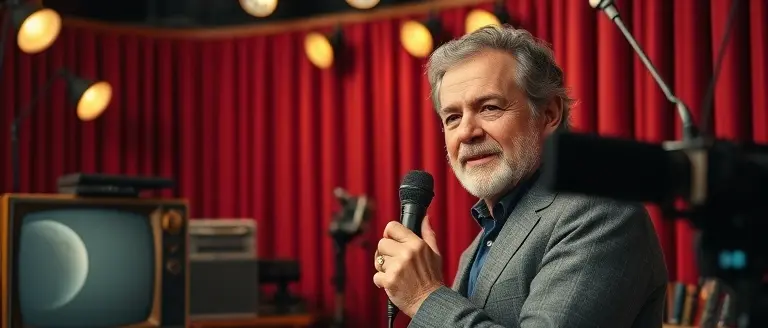
For forty years, Gene Shalit served as a cornerstone of American morning television, transforming the landscape of arts journalism from the set of NBC’s TODAY show. Joining the program in 1973, Shalit evolved from a behind-the-scenes writer into one of the most recognizable faces in the industry. With his signature bushy mustache, vibrant bow ties, and a trademark penchant for relentless punning, he brought film criticism out of academic journals and into the living rooms of millions of households. His presence was a constant, providing a bridge between the complex world of cinema and the general public, making him a true TODAY show icon whose influence spanned multiple generations of viewers.
A Legacy of Rapport and Cultural Influence
Shalit’s success was defined by more than just his reviews; it was his unique chemistry with the show’s anchors that solidified his status. Whether sparring with hosts or offering his trademark “Shalit-isms,” he brought a personality-driven approach that felt both accessible and authoritative. His career was characterized by:
- Longevity: An unprecedented four-decade tenure that saw the evolution of the film industry from the late Golden Age to the digital era.
- Distinctive Style: His use of wordplay and puns became a cultural shorthand for lighthearted, yet informed, entertainment commentary.
- Accessibility: By humanizing film criticism, he encouraged millions of Americans to engage with cinema as a weekly leisure activity.
As the industry moves toward algorithm-based aggregation, the legacy of this legendary film critic reminds us of the power of personality in media. Shalit did not merely report on movies; he invited audiences into a conversation, fostering a deep, personal connection that remains a hallmark of his enduring contribution to television history. His passing marks the final chapter of a broadcast era defined by charisma and intellectual warmth.
The Punny Critic: Defining a Distinctive Broadcasting Style
For over four decades, Gene Shalit served as a permanent fixture of morning television, transforming the landscape of film criticism into a performance art. As a legendary film critic for NBC’s TODAY show, Shalit rejected the stoic, detached tone of academic film scholarship in favor of a warm, personality-driven approach that felt like a conversation with an eccentric uncle. His signature style was defined by an unpretentious demeanor, often punctuated by his vibrant collection of colorful sweaters and an unmistakable, sprawling mustache. By prioritizing entertainment and accessibility, he invited millions of viewers to engage with cinema on their own terms, effectively bridging the gap between high-brow critique and mainstream appeal.
The Art of the ‘Shalit-ism’
Central to his broadcasting identity was his penchant for the “pun.” Shalit turned wordplay into a trademark, utilizing groan-worthy yet clever linguistic acrobatics that became widely known as “Shalit-isms.” These puns were more than just comedic filler; they acted as a rhythmic anchor in his reviews, allowing him to distill complex cinematic themes into digestible, memorable soundbites. This unique delivery served several key purposes:
- Cultural Lexicon: His puns became cultural touchstones, frequently parodied and celebrated in popular media, ensuring he remained a household name for generations.
- Accessibility: By injecting humor into his critique, he lowered the barrier to entry for film discussion, making movies feel like communal experiences rather than elitist artifacts.
- Persona-Driven Criticism: Unlike modern aggregators that rely on quantitative data, Shalit’s authority was rooted in his individual voice and wit, establishing a standard for the “celebrity critic” model.
Ultimately, Shalit’s impact reached far beyond the screen. He proved that a critic could be both insightful and approachable, creating a lasting template for entertainment journalism. His death marks the end of an era where a single, distinct persona could define the way a nation perceived the arts, leaving behind a legacy of joy, wordplay, and a reminder that film criticism is meant, above all, to be enjoyed.
An Era Ends: Reflecting on the Legacy of Gene Shalit
The passing of Gene Shalit at the age of 100 marks the conclusion of a singular chapter in American broadcasting. As a legendary film critic whose tenure on NBC’s TODAY show spanned four remarkable decades, Shalit became a household staple defined by his unmistakable visual signature—the bushy hair and iconic mustache—and his unapologetic affinity for wordplay. In an age before algorithm-driven reviews and internet aggregators, Shalit represented the “personality-driven” model of journalism. He did not merely report on cinema; he invited the audience into a conversation, often bridging the gap between high-brow critique and accessible, pun-filled commentary that felt like a familiar weekly check-in.
A Master of the Medium
Shalit’s approach to criticism was unique, prioritizing the human experience of watching a film over technical academic analysis. His style offered several distinct contributions to the industry:
- Approachable Criticism: By utilizing humor and puns, he lowered the barrier to entry for casual filmgoers, making the arts feel inclusive rather than elitist.
- Cultural Longevity: His 40-year run solidified him as a constant in the lives of millions, cementing his status as a TODAY show icon.
- Authenticity: In a modern media landscape dominated by SEO keywords and rapid-fire snippets, his deliberate, personal tone feels like a lost art form.
As we look back on his century-long life, it is clear that the shift from personality-based criticism to the quantitative metrics of platforms like Rotten Tomatoes has changed the way we consume culture. While the industry has evolved, the “Shalit method”—the idea that a critic should be a recognizable, trusted character—remains a standard against which broadcast personality is still measured. His death is not just the loss of a television pioneer; it is the fading of a specific type of charm that defined American television for generations. He leaves behind a legacy that invites us to appreciate both the depth of cinema and the joy of a well-timed, groan-worthy pun.
Preserving the Voices That Shaped Our World
As we reflect on the career of such a TODAY show icon, we are reminded that our appreciation for the arts is deeply tied to our ability to fully engage with the world around us. Just as Gene Shalit’s sharp ears and keen observations defined his legendary career in film, maintaining our own sensory health becomes increasingly important as we look back on the media that shaped our lives. The ability to listen closely and process the nuance of classic cinema commentary is a precious gift that deserves proactive care.
Audifort is designed for those who refuse to let the vibrancy of their cultural experiences fade. By supporting auditory health and cognitive clarity, this wellness tool ensures that you never miss a beat of your favorite films or the insightful commentary that keeps our minds sharp. It is the perfect companion for the devoted fan who wishes to revisit the golden age of broadcasting with the same acuity that Gene Shalit brought to every segment.
Integrate Audifort into your daily routine and preserve the clarity required to enjoy the arts for years to come. Your journey toward sustained sensory wellness starts with this vital commitment to your long-term health.
 Support your own sensory journey and stay tuned into the arts by ensuring your auditory health is at its peak with Audifort.Protect My Hearing Today!