
June 12, 2026, marks a decade since the silence of an Orlando night was shattered at the Pulse nightclub—a moment that permanently etched itself into the history of the LGBTQ+ community and the nation. For many, these ten years have been a slow, arduous march through the landscape of collective trauma, public policy shifts, and the long, private road toward healing. We move past the initial shock and the timeline of that tragic night to focus on what matters most: the evolving stories of survival, the architectural significance of the ongoing memorial, and the quiet, persistent resilience of those who have lived every day since with the weight of the past.
The 10-year legacy of Pulse is not found in the perpetrator’s narrative or the recurring cycles of media recaps, but in the internal transformation of a community that refused to be defined solely by its wounds. As survivors and their families continue to navigate the profound, long-term psychological impact of that evening, there is an urgent need to discuss the cognitive toll of sustained grief. Exploring how we process trauma on a neurological level is essential to understanding what life looks like now, long after the world stopped watching, and how we can better support the restoration of mental clarity and focus for all who carry such deep burdens.
A Decade of Remembrance: Reflecting on the Pulse Nightclub Tragedy
Today marks a somber milestone as the United States observes the 10th anniversary of the pulse nightclub shooting, a tragedy that occurred on June 12, 2016. What began as a night of joy and community in Orlando, Florida, ended in one of the most devastating hate crimes in modern American history, claiming the lives of 49 individuals and leaving 58 others wounded. As the nation reflects on this decade-long journey, the focus has shifted from the initial shock of the violence to the enduring resilience of the survivors and the evolution of the LGBTQ+ community in the face of targeted hatred. The legacy of that night serves as a permanent, heavy reminder of the work that remains to ensure public safety and equality for all marginalized groups.
A Transformation of Memory and Healing
The narrative surrounding the Pulse nightclub shooting has undergone a profound transformation over the last ten years. Initially defined by immediate grief and local trauma, the site has become a cornerstone of national communal remembrance. The ongoing development of a permanent memorial represents a collective commitment to honoring the victims while reclaiming the space as a sanctuary of “light” rather than a site of darkness. Survivors continue to navigate the long-term psychological evolution of their recovery, proving that healing is not a linear process but a sustained community effort. Key aspects of this decade-long evolution include:
- Community Resilience: The shift toward supportive, long-term advocacy for those physically and mentally impacted by the attack.
- Structural Memory: The architectural design of the memorial, which serves as a blueprint for how US cities honor sites of mass trauma with dignity and permanence.
- Legislative Shifts: A re-examination of hate crime statutes and safety protocols designed to protect LGBTQ+ venues and public gatherings from future harm.
- Peripheral Awareness: Recognizing the secondary impact on regional communities across Florida, such as Fort Pierce, which felt the ripple effects of the tragedy deeply.
As we look back, the 10-year anniversary acts as a critical juncture for reflection. It is an opportunity to amplify survivor voices and analyze the broader societal shifts that have occurred in the wake of such profound loss, ensuring that the history of this tragedy is defined by those who survived and the communities that rose to support them.
The Evolution of Resilience: Life for Survivors Ten Years Later

Ten years after the pulse nightclub shooting, the narrative surrounding the survivors has shifted from the immediate shock of the tragedy to the long-term, complex process of healing. For many, the decade since June 12, 2016, has not been a linear path of recovery, but rather an evolution defined by post-traumatic growth and a steadfast commitment to communal support. Survivors have navigated the lasting psychological impacts—ranging from PTSD to the burden of being “survivor-witnesses”—by transforming their trauma into advocacy. This evolution is evident in how they have reconnected with their identity, asserting that their lives remain defined by their own strength rather than the actions of a perpetrator.
Building the ‘Pulse Family’ Support Networks
The resilience of the survivors is deeply rooted in the informal and formal support networks that emerged in the wake of the massacre. These connections have evolved into a tight-knit “Pulse family,” providing a critical safety net that professional mental health services alone could not offer. Key components of this enduring community support include:
- Shared Narrative Empowerment: Survivors utilize group therapy and community-led events to reclaim their stories, effectively shifting the public focus away from the violence and toward the vibrant lives of the 49 victims.
- Legacy Projects: Many survivors have become active leaders in the development of the permanent memorial, ensuring the site serves as a beacon of love and inclusivity rather than just a place of mourning.
- Mentorship for Future Generations: Survivors often engage in outreach, providing a blueprint for resilience to those affected by subsequent mass violence, highlighting the necessity of long-term trauma-informed care.
Evidence suggests that the ongoing legacy of the Pulse nightclub shooting is found in the survivors’ refusal to be defined by loss. By channeling their experiences into advocacy for LGBTQ+ safety and improved mental health resources, they have created a lasting impact that transcends the initial act of hate. This decade has proven that while the scars of that night remain, the strength forged in the community’s collective recovery continues to provide a foundation for hope and progress.
Shifting Landscapes: The Permanent Memorial and Urban Memory
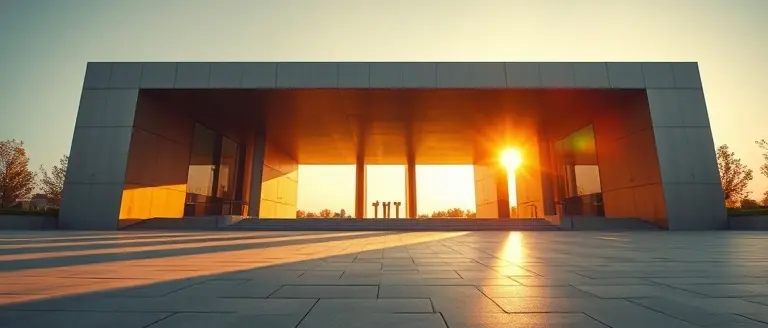
Ten years after the pulse nightclub shooting, the physical transformation of the site serves as a profound testament to the intersection of grief, civic duty, and urban planning. The evolution of the Pulse memorial project represents more than a simple act of architectural preservation; it signifies a pivotal shift in how the United States approaches the “geography of trauma.” As planners and community leaders have navigated the complexities of honoring 49 victims, the site has transitioned from a spontaneous shrine into a deliberate, permanent space designed to balance public remembrance with the intimate needs of survivors and the local LGBTQ+ community.
Architecture as a Catalyst for Healing
The development of the memorial has become a national benchmark for creating spaces that honor victims while fostering resilience. Unlike early, purely reactionary monuments, the current vision for the Pulse site emphasizes:
- Community-Led Design: Ensuring that the voices of survivors and victims’ families remain the primary architects of the memorial’s emotional and physical footprint.
- Reflective Spaces: Moving away from aggressive, static markers toward fluid environments that encourage “light” and movement, intentionally rejecting the hate that defined the attack.
- Contextual Integration: Successfully weaving a site of immense tragedy into the existing urban fabric of Orlando, ensuring it serves as a beacon of solidarity rather than a shuttered relic of the past.
By focusing on these principles, the project has set a high standard for future memorials across the country. The design process acknowledges that these spaces must do more than record history; they must facilitate ongoing healing for those still processing the long-term impacts of the 2016 massacre. As the landscape continues to evolve, the Pulse site stands as a vital touchstone, proving that urban memory can be reclaimed and repurposed as a powerful, enduring symbol of unity against violence.
A Safer Tomorrow: The Legacy of Pulse on LGBTQ+ Advocacy
The pulse nightclub shooting served as a harrowing turning point that permanently altered the landscape of LGBTQ+ advocacy and public safety in the United States. In the decade since the tragedy, the queer community has transformed the profound grief of 2016 into a highly organized and vocal political force. This evolution reflects a shift from reactive mourning to proactive defense, forcing federal and local governments to confront the reality of hate-motivated violence. By prioritizing survivor voices and demanding inclusive public policy, activists have successfully moved the needle on legislative protections, transforming safer space initiatives from niche community goals into standard requirements for urban planning and domestic security.
Catalyzing Legislative and Social Change
The impact of this tragedy extends far beyond the immediate trauma, influencing how cities nationwide address domestic security and hate crime prevention. Evidence suggests that the collective response to the pulse nightclub shooting catalyzed a surge in advocacy that redefined the relationship between the LGBTQ+ community and law enforcement. This movement has focused on several critical pillars:
- Policy Reform: Increased pressure for comprehensive hate crime legislation that explicitly protects gender identity and sexual orientation at both the state and federal levels.
- Infrastructure for Safety: The integration of “safe space” protocols into nightlife and public gathering guidelines, ensuring that venue security is trained to recognize and mitigate threats against vulnerable populations.
- Community Resilience: The establishment of robust networks that provide mental health support, legal aid, and advocacy resources, ensuring that marginalized communities remain connected and prepared.
As we look back at the last ten years, the resilience of those impacted by the pulse nightclub shooting remains the most significant legacy. The transition from a site of horror to one of intended remembrance underscores a broader societal commitment to preventing future cycles of violence, ensuring that the progress made since 2016 continues to foster environments where diversity is not just accepted, but actively protected.
Finding Clarity Amidst a Decade of Resilience
Reflecting on the last ten years since the Pulse nightclub shooting, it becomes clear that true survival is not just about moving forward in time, but about actively reclaiming one’s mental and emotional space. While the collective grief and the push for legislative change have shaped our public consciousness, the quieter, internal journey of those impacted remains a profound testament to the human spirit’s capacity for adaptation and endurance.
As we examine how survivors have navigated a decade of mental recovery, many are seeking science-backed ways to clear the cognitive fog and regain focus in their daily lives. The shadow of trauma often manifests as persistent mental exhaustion, making the pursuit of daily clarity feel like an insurmountable climb. It is in this space that The Brain Song offers a vital, non-invasive path forward, using neuroscience-based auditory stimulation to help quiet the noise of the past and support sustained cognitive wellness.
By integrating these sound patterns into your routine, you are not just managing symptoms; you are choosing to prioritize your neurological health and reclaim the focus that trauma often seeks to erode. This tool serves as a compassionate bridge for anyone looking to strengthen their mental fortitude and step into a future defined by intentional clarity rather than historical weight.
 Discover how daily, neuroscience-based sound patterns can help you regain mental clarity and focus.Transform My Life Today