

On June 11, 2026, the financial markets are bracing for a storm. With the VIX climbing steadily into the 21-22 range, investors are grappling with a toxic cocktail of geopolitical instability in the Middle East and the cooling of the long-standing AI-led market rally. As the hype surrounding the upcoming SpaceX IPO creates a localized vortex of uncertainty, the familiar signals of fear are beginning to manifest across global exchanges. For the individual retail investor, these conditions can feel like a relentless barrage of noise, making it increasingly difficult to distinguish between short-term market jitters and the structural shifts that require immediate portfolio adjustments.
Instead of succumbing to the reactionary panic often fueled by social media threads, it is time to adopt a disciplined, clarity-first approach to your financial strategy. Understanding what a VIX spike truly means—and learning how to filter out the noise while maintaining your long-term objectives—is the most effective way to protect your capital. This guide is designed to move past the alarmist headlines and provide you with the mental and strategic framework necessary to remain level-headed when the rest of the market begins to lose its footing.
Understanding the VIX Surge: Why Markets Are on Edge Today
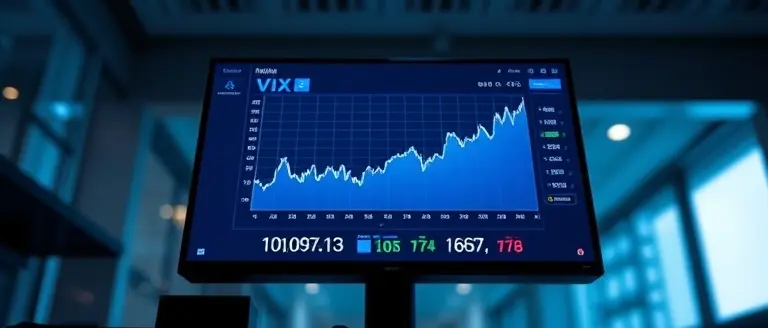
As of June 11, 2026, the CBOE Volatility Index (VIX) is hovering between 21 and 22, a level that signals a notable shift in market sentiment. Often referred to as the “fear gauge,” the VIX measures the market’s expectation of 30-day volatility based on S&P 500 index options. When the VIX sustains levels above 20, it indicates that investors are moving away from complacency and are actively seeking protection against potential downside risks. This current elevation is not the result of a single event, but rather a “perfect storm” of structural, technological, and geopolitical pressures that have converged to challenge the prevailing bull market narrative.
Key Drivers of Current Market Anxiety
The market’s current cautious posture is fueled by three distinct catalysts:
- The SpaceX IPO Anticipation: The upcoming high-profile SpaceX IPO has created significant liquidity expectations. Institutional and retail investors are reallocating capital in anticipation of the offering, which often causes broader market churn as participants balance their exposure to current holdings versus the new, high-demand entry.
- Cooling AI Enthusiasm: After an extended period of aggressive growth, the AI-led market rally is showing signs of exhaustion. Negative indicators surfacing in Asian markets, specifically concerning the KOSPI, have heightened investor sensitivity to valuation corrections in the technology sector.
- Geopolitical Instability: Reports regarding strategic bombings in the Middle East have introduced an unpredictable element into trading. These geopolitical tensions are driving “safe-haven” flows, as investors move capital into defensive assets to mitigate the uncertainty surrounding global supply chains and economic stability.
For retail investors, a VIX reading in the low 20s should not be interpreted as a reason for panic, but rather as a signal to reassess risk management. Technical analysts note that if this uncertainty persists, the VIX could test higher levels, potentially reaching 40 in a more severe “risk-off” environment. Consequently, professional observers are monitoring for “technical damage” to the bull market, advising that individual portfolios remain robust enough to withstand short-term volatility while these macroeconomic and geopolitical headwinds resolve.
Visualizing Fear: Comparing Today’s Volatility to Historical Norms
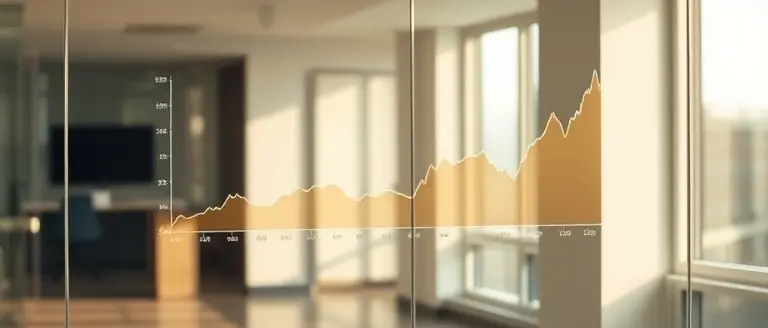
To interpret the current VIX reading of approximately 21–22, it is essential to place today’s market climate into a broader historical perspective. While a VIX level above 20 often triggers alerts across financial media, it represents a state of elevated caution rather than the extreme panic associated with systemic market collapses. For context, during the height of the 2020 pandemic volatility, the index famously surged above 80, reflecting total market paralysis. Similarly, during the peak inflationary concerns of 2022, the VIX frequently breached the 30–35 threshold as investors priced in rapid interest rate adjustments.
Understanding the “Elevated Caution” Threshold
The current reading suggests that while market participants are uneasy—driven by a convergence of geopolitical tensions and the anticipation of the SpaceX IPO—the structural integrity of the market remains intact. Investors should distinguish between “volatile noise” and a “systemic meltdown” by keeping these metrics in mind:
- 12–15: The “complacency” zone, often associated with a steady bull market.
- 20–25: The current “caution” zone, where hedging activity increases, but liquidity remains deep and functional.
- 30+: The “panic” threshold, typically indicating that institutional investors are aggressively dumping equities to move into safe-haven assets like Treasury bonds.
By remaining near 22, the CBOE Volatility Index is accurately reflecting the uncertainty surrounding the AI-led market rally cooling off, yet it is far from signaling a capitulation event. Retail investors should view this as a period of heightened risk management rather than a signal to exit positions entirely. By maintaining this distinction, you can avoid the reactive trading pitfalls that frequently occur when emotional headlines conflate moderate volatility with historical extremes. Current evidence suggests that markets are in a defensive posture, waiting for clarity on major catalysts rather than spiraling into an uncontrollable correction.
The SpaceX IPO and AI Sector Rotation: Navigating Portfolio Volatility

The current elevation of the VIX to the 22–23 range reflects a market grappling with a dual-threat environment: the cooling of high-flying AI stocks and the immense anticipation surrounding the upcoming SpaceX IPO. As liquidity shifts to prepare for this historic public offering, retail investors are witnessing a classic sector rotation. Many portfolios, heavily weighted in tech momentum plays, are seeing increased realized volatility as the market demands a re-rating of AI valuations amidst broader economic uncertainty. When the VIX sits at these levels, it serves as a signal that the “easy money” period of the post-rally phase is transitioning into a regime defined by stock picking and defensive positioning.
Managing Tech-Heavy Portfolios During IPO Anticipation
For the individual investor, the temptation to engage in reactive selling is high. However, history suggests that knee-jerk exits often exacerbate losses. Instead, focus on the following strategies to navigate this period of heightened market sensitivity:
- Audit Sector Concentration: Review your exposure to AI and semiconductor names. If these represent an outsized portion of your capital, consider trimming positions to lock in gains or rebalance into non-correlated assets, such as defensive value sectors or high-quality fixed income.
- Limit IPO FOMO: High-profile events like the SpaceX IPO often induce “liquidity crunches” elsewhere in the market as institutional players sell liquid tech holdings to raise cash for the offering. Avoid chasing the IPO hype with capital that is already allocated to your long-term retirement or wealth-building strategies.
- Prioritize Diversification: A high VIX environment rewards those who aren’t reliant on a single narrative. Use this volatility to ensure your portfolio includes a mix of large-cap industrials, defensive staples, and cash equivalents, which can act as a buffer against tech-driven drawdowns.
- Assess Risk Tolerance: Understand that a VIX of 22 indicates a market expecting larger-than-average daily swings. If your current positions are causing emotional distress, it is a clear indicator that your leverage or sector weighting is too high for the current volatility regime.
By maintaining a disciplined, long-term perspective, you can distinguish between fundamental shifts in market health and the temporary technical noise caused by IPO-related capital shuffling. The goal is to survive the rotation, not to time the bottom.
Market Volatility Survival Guide: Strategies for Uncertain Times

Navigating a high-VIX environment requires moving beyond the daily noise of geopolitical headlines and high-profile market events like the upcoming SpaceX IPO. With the CBOE Volatility Index hovering between 21 and 22, the market is signaling a transition from complacency to caution. For the retail investor, this does not necessitate panic selling; rather, it demands a disciplined refinement of your existing strategy. When volatility elevates, the primary goal is to ensure your portfolio’s risk profile remains aligned with your long-term financial objectives, rather than reacting to the emotional swings of the broader market.
Actionable Steps for Portfolio Resilience
To maintain composure during periods of heightened market instability, consider the following tactical adjustments:
- Rebalance Asset Allocations: If the recent AI-led rally caused your tech exposure to drift significantly above your target percentage, use this volatility as a mechanical trigger to rebalance. Selling high-performing assets to buy underweighted, defensive positions naturally “locks in” gains and reduces your overall portfolio risk.
- Evaluate Hedging Requirements: If you are managing long-term positions, avoid the temptation to time the market with complex derivatives. Instead, consider simple adjustments like increasing cash reserves or rotating into lower-beta assets that historically demonstrate resilience during geopolitical turbulence.
- Maintain Investment Discipline: Historical data suggests that “staying the course” remains the most effective strategy for long-term investors. Volatility spikes, such as those caused by the convergence of SpaceX IPO anticipation and international instability, are often transient.
- Contextualize Risk: Distinguish between structural market threats and short-term “noise.” While technical analysts suggest risks of the VIX spiking toward 40, your decision-making should be driven by your personal time horizon, not by speculative price targets circulating on social media forums.
By focusing on portfolio health rather than headline-driven volatility, you can effectively navigate this high-VIX climate without sacrificing your long-term wealth trajectory. The intersection of technical signals and macroeconomic uncertainty serves as a reminder to prioritize quality and diversification over speculative trading.
Maintaining Rationality in a Volatile World
As we navigate this period of heightened market sensitivity, the primary takeaway is clear: volatility is not a signal to panic, but an invitation to refine your strategy. Whether you are managing risks associated with the high-profile SpaceX IPO or recalibrating your exposure due to broader geopolitical tensions, your success depends less on timing the market and more on your ability to process information with objective, calm clarity. When the VIX spikes, your most dangerous enemy is not the market itself, but the internal emotional fog that leads to reactive, poor decision-making.
In an environment where market sentiment is driven by fear and rapid-fire news cycles, your most valuable asset isn’t just your capital—it is your ability to make objective decisions while others are panicking. This is why we recommend The Brain Song. By functioning as a mental optimization tool, it helps clear the brain fog and mental fatigue that often cloud judgment during high-stress financial events. It is the perfect complement to your investment routine, providing the cognitive endurance needed to remain rational and focused when the stakes are at their highest.
By integrating this focus routine, you transition from being a passive victim of market turbulence to an active, disciplined investor who understands how to maintain high-level executive function under pressure. Now is the time to secure your competitive advantage and ensure that your portfolio decisions are driven by logic rather than the prevailing market fear.
 Reclaim your mental edge during this market volatility—learn how to sharpen your focus here.Sharpen My Investment Focus Now!