
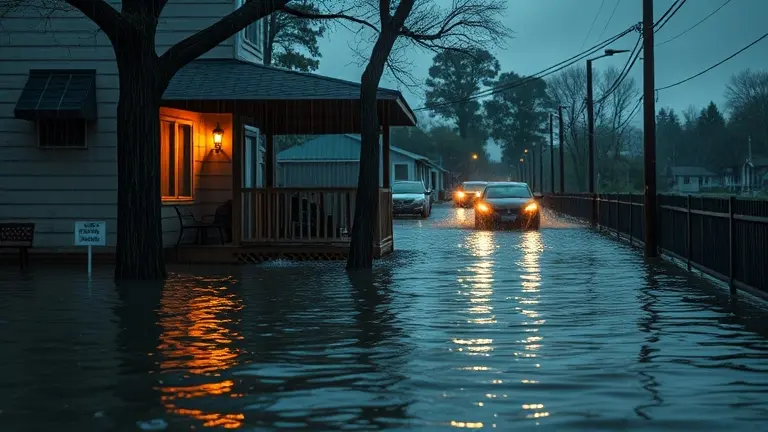
When a flood watch is issued, the clock starts ticking. Across the United States this June, residents in states like Tennessee, Alabama, and Texas are finding themselves caught in the path of unpredictable, high-impact severe weather. While the term ‘flood watch’ often triggers an immediate sense of urgency, it is frequently misunderstood, leading to either unnecessary panic or, more dangerously, a lack of critical action. A watch signifies that meteorological conditions are favorable for flooding, serving as a vital window of opportunity to shift from routine daily life into active, life-saving mitigation mode.
Unlike a flood warning—which indicates that flooding is already occurring or imminent—a watch is your call to prepare. It is the moment to move beyond checking weather apps and start securing your property. Whether you are in a designated high-risk zone or an area suddenly impacted by volatile atmospheric pressures, understanding the practical steps to harden your home against water intrusion is essential. In this guide, we break down exactly what you need to know to transition from monitoring the forecast to physically safeguarding your most valuable assets before the water rises.
Understanding Current June 2026 Flood Watch Alerts
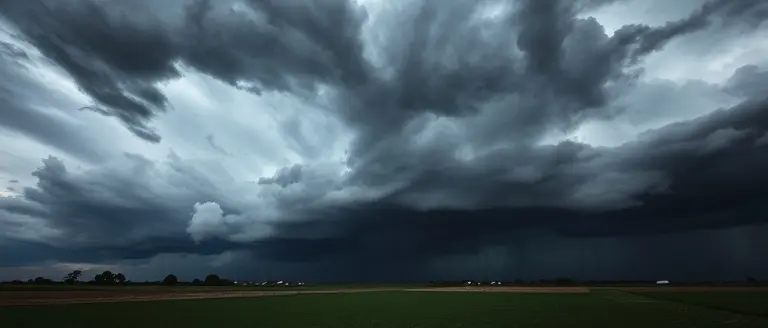
As of early June 2026, the National Weather Service (NWS) has issued a series of active flood watch alerts across key regions of the United States, most notably impacting parts of Tennessee, Alabama, and Central Texas. These alerts are driven by a high-pressure stall coupled with atmospheric moisture surging from the Gulf of Mexico, resulting in repetitive rounds of heavy rainfall and severe thunderstorms. Because the ground in these regions is already near saturation, the threshold for surface runoff is low, significantly increasing the risk of localized flooding in urban environments and low-lying agricultural zones.
Meteorological Drivers and Regional Impact
The current meteorological environment is characterized by slow-moving storm cells that possess high precipitation efficiency. When these systems stall over the same geographic areas for extended durations, they trigger rapid rises in water levels along creeks, drainage basins, and storm-water management systems. Residents in affected areas, particularly those served by NWS offices in Birmingham and Middle Tennessee, must remain hyper-vigilant.
To ensure safety during these periods of high-impact weather, observe the following priorities:
- Monitor Official Sources: Continuously track the NWS website or local affiliate news, such as WSMV or regional social media briefings, for specific timeline updates.
- Identify Vulnerabilities: If you reside in a known flood-prone area, prepare to move essential belongings to higher ground immediately.
- Avoid Floodwaters: Never attempt to drive or walk through flooded roadways; “turn around, don’t drown” remains the most critical safety mandate.
- Distinguish Alerts: Remember that a flood watch means conditions are favorable for flooding, while a flash flood warning indicates that flooding is currently occurring or is imminent and poses an immediate threat to life and property.
Staying informed about storm trajectories is essential, as these localized systems can shift unpredictably. By treating every flood watch as a genuine potential for danger, residents can effectively mitigate the risk of property damage and ensure their families remain safe during these high-pressure climate events.
Flood Watch vs. Flood Warning: What Is the Difference?

Understanding the terminology used by the National Weather Service (NWS) is a critical component of personal safety during periods of severe weather. When meteorologists issue a flood watch, it serves as an early indicator that conditions are favorable for flooding to occur in or near your area. It does not mean that flooding is guaranteed; rather, it indicates that the environment—such as saturated soil, forecasted heavy rainfall, or rising river levels—has created a heightened potential for danger. A watch is your signal to stay informed, review your emergency plans, and keep a close eye on local weather updates.
When to Shift from Monitoring to Action
The transition from a watch to a flood warning is a significant escalation that requires immediate attention and decisive action. While a watch suggests you should be prepared, a warning confirms that flooding is either imminent or already happening. If a warning is issued for your location, you must prioritize safety by moving to higher ground if you are in a flood-prone area or following local evacuation orders immediately. Do not wait for visible signs of water to take precautions; by the time flooding is apparent, travel may already be hazardous or impossible.
To distinguish between these two critical alerts, keep these simplified guidelines in mind:
- Flood Watch (Be Prepared): The “Watch” stage is for planning. Stay tuned to local news or weather radio, check your emergency supply kit, and clear storm drains or gutters if safe to do so. Ensure your electronic devices are charged and you have a reliable way to receive further alerts.
- Flood Warning (Take Action): The “Warning” stage is for immediate survival. Move to higher ground if advised, avoid walking or driving through flooded roads, and follow instructions from local authorities. “Turn around, don’t drown” is the golden rule during a warning, as even shallow moving water can sweep away vehicles.
By understanding these distinctions, residents can manage their response effectively, avoiding unnecessary panic during a watch while ensuring they act with urgency the moment a warning is issued. Always rely on official sources like the NWS or local emergency management portals for the most accurate, real-time data regarding your specific geography.
Essential Checklist: What to Do When a Flood Watch Is Issued

When the National Weather Service (NWS) issues a flood watch, it means that conditions are favorable for flooding to occur. While a watch does not guarantee that your specific property will be affected, it serves as a critical window of opportunity to shift from routine monitoring to active preparation. During this time, the primary objective is to harden your home’s defenses and ensure your family has an actionable safety plan.
Proactive Steps for Homeowners
To effectively manage the risks associated with current severe weather patterns, follow these immediate actions:
- Monitor Reliable Channels: Keep a battery-operated NOAA Weather Radio or a reliable news app active to receive the latest updates. Distinguishing between a flood watch and a flash flood warning is vital; a warning signifies that flooding is occurring or is imminent, requiring immediate evacuation or emergency sheltering.
- Secure Property and Valuables: Move essential items, such as legal documents, heirlooms, and electronics, to the highest level of your home. If you reside in a basement or a low-lying area, prioritize moving these items out of flood-prone zones.
- Clear Drainage Systems: If time permits before the rain intensifies, clear gutters, downspouts, and nearby storm drains of debris. Properly functioning drainage reduces the risk of localized pooling around your foundation.
- Identify Evacuation Routes: Never wait for floodwaters to rise before identifying your exit path. Know your local evacuation routes and ensure that your vehicle is fueled and ready to go.
- Avoid Flood-Prone Areas: Never drive through flooded roadways. Even a few inches of moving water can stall a vehicle or carry it off the road.
Preparedness is your best defense against extreme weather. By taking these steps, you minimize damage and, more importantly, ensure that your household is prepared to act quickly should the status change from a watch to an emergency. Keep your emergency kit—stocked with water, non-perishable food, flashlights, and medical supplies—in an accessible location at all times.
Protecting Your Property During Heavy Rainfall
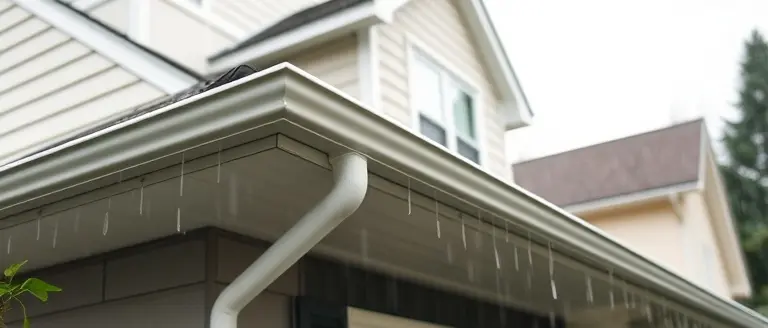
When the National Weather Service issues a flood watch, your primary goal is to shift from reactive concern to proactive defense. Because a flood watch indicates that conditions are favorable for flooding, you must act before heavy rainfall overwhelms your local drainage systems. Start by assessing your property’s exterior, as simple obstructions are often the leading cause of avoidable water damage. Clear gutters, downspouts, and exterior storm drains of debris, such as leaves and sediment, to ensure that water has a clear path away from your foundation. If you live in a flood-prone area, consider deploying sandbags or flood barriers at vulnerable entry points, such as basement windows or low-lying door thresholds, to provide an extra layer of structural protection.
Managing Utilities and Interior Safety
Safeguarding your electrical and gas systems is critical when water levels begin to rise. If flooding appears imminent or if water is encroaching upon your home, you must be prepared to act quickly to mitigate fire or electrocution risks.
- Electrical Safety: If you have any reason to believe your basement or lower levels may flood, turn off the main circuit breaker. Never step into a flooded room to reach an electrical panel, as standing water can conduct electricity and cause fatal injury.
- Natural Gas Protocols: If you suspect gas leakage or if local authorities have advised evacuation, shut off the main gas valve to prevent potential explosions.
- Seal Entry Points: Use waterproof sealants, heavy-duty plastic sheeting, and sandbags to plug potential water entry points at ground-level gaps in your foundation or siding.
- Elevate Valuables: Move important documents, electronics, and heirloom furniture to higher floors or the highest shelves available within your home.
By taking these flood preparedness steps while a flood watch is active, you significantly reduce the risk of structural compromise. Remember, a watch serves as an early warning; once the weather escalates to a flash flood warning, your focus must shift immediately to personal safety and evacuation orders rather than property preservation. Always monitor your local NWS office for real-time updates on storm trajectory and intensity to guide your decision-making process.
Secure Your Property Against Rising Waters
Understanding the difference between a flood watch and a warning is the first step in emergency management, but passive awareness is rarely enough when disaster hits. While sandbags offer a temporary, reactive fix, true resilience lies in permanent, structurally sound mitigation. Protecting your home and family requires more than just checking weather alerts; it requires proactive physical defense strategies that can withstand the unpredictable nature of severe weather events currently sweeping across the country.
This is where shifting from panic to preparation becomes a game-changer. Rather than relying on trial-and-error, you can gain the technical certainty needed to fortify your property against flood damage. Ted’s Woodworking provides the professional-grade blueprints necessary for building custom flood-defense barriers and elevated storage solutions, turning complex structural protection into achievable DIY projects. By leveraging these workshop-tested plans, you can build reliable, custom infrastructure designed specifically for your home’s unique perimeter, ensuring your valuables remain dry and your property integrity stays intact.
Don’t wait for the next alert to realize your home is vulnerable. Taking charge of your own infrastructure is the smartest investment you can make for your peace of mind. Build your own custom flood-defense structures today—access the professional-grade workshop plans here.
 Build your own custom flood-defense structures today—access the professional-grade workshop plans here.Secure My Home with Pro Blueprints Now!