
The 2026 FIFA World Cup has officially rewritten the rulebook, departing from the traditional single-host spectacle to embrace a historic, decentralized celebration across North America. As the world turns its eyes to Estadio Azteca in Mexico City today, June 11, for the first of three major opening ceremonies, fans are navigating a complex landscape of multi-nation schedules and varying time zones. Whether you are tracking the festivities in Mexico City, or anticipating the upcoming transitions to Toronto and Los Angeles, the shift toward a truly continental tournament marks a cultural milestone in sports history.
However, this new ‘tri-city’ format brings more than just excitement—it creates a logistical and cognitive puzzle for the modern spectator. With live events spread across diverse time zones and overlapping broadcast windows, staying fully immersed in every ceremony requires more than just a remote control. To truly appreciate this unprecedented global showcase, you need to remain alert, focused, and ready to capture every highlight, ensuring you don’t miss a single moment of this historic tournament evolution.
FIFA World Cup 2026: A Historic Shift to a Multi-Nation Opening Strategy
The FIFA World Cup 2026 represents a radical departure from the long-standing tradition of a single, centralized opening gala. By hosting the tournament across three North American nations—Mexico, the United States, and Canada—FIFA has embraced a decentralized model that prioritizes regional cultural expression over a monolithic production. Today, June 11, 2026, marks the commencement of this historic format as the FIFA World Cup 2026 opening ceremony unfolds at the iconic Estadio Azteca in Mexico City. This event serves as the precursor to the tournament opener between Mexico and South Africa, signaling the start of a massive global sports spectacle.
Unlike previous iterations that condensed the entire pageantry into one host city, the 2026 strategy involves three unique, geographically distinct opening events. Fans searching for the opening ceremony World Cup 2026 time should note that while Mexico City hosts the inaugural celebration today, subsequent ceremonies will follow in Toronto and Los Angeles. This multi-city approach is designed to:
- Celebrate Continental Diversity: Allow each host nation to showcase its unique cultural heritage on a global stage.
- Enhance Accessibility: Provide localized experiences for fans across North America, rather than forcing a singular, high-cost point of entry.
- Logistical Efficiency: Spread the massive administrative and security burden of the world cup ceremony across three major metropolitan hubs.
The lineup for the Mexico City event features global icons such as Shakira, Nora Fatehi, and Andrea Bocelli, ensuring that the FIFA opening ceremony retains the high production value spectators expect. For viewers attempting to determine what time is the opening ceremony for the world cup, it is essential to distinguish between the Mexico City kickoff and the remaining ceremonies scheduled later in the tournament calendar. This decentralized format not only redefines the fan experience but also solidifies the 2026 edition as a landmark in sports event management, emphasizing a shift toward inclusivity and pan-continental collaboration.
How to Watch the FIFA Opening Ceremonies: Live Stream and Broadcast Guide
To catch the FIFA World Cup 2026 opening ceremony and the subsequent festivities in Toronto and Los Angeles, viewers in the United States have several reliable options. With the tournament adopting a decentralized, three-nation format, staying updated on the opening ceremony world cup 2026 time is essential for fans. In the US, Fox Sports holds the primary English-language broadcast rights, while Telemundo and Universo provide comprehensive coverage in Spanish. If you are wondering what time is the opening ceremony for the world cup, ensure you check local listings, as start times vary significantly based on the host city’s time zone.
Official Broadcast and Streaming Platforms
Accessing the FIFA World Cup opening ceremony 2026 is straightforward through both traditional television and digital platforms. To guarantee you do not miss the performances by artists like Shakira or the iconic pre-match atmosphere, utilize these official channels:
- Television: Tune into Fox or FS1 for English-language coverage, and Telemundo or Universo for Spanish-language broadcasts.
- Live Streaming: The official FIFA+ website and app provide global, high-definition streams. Domestic viewers can also access live content via the Fox Sports app and Peacock, which hosts Telemundo’s sports coverage.
- Regional Scheduling: Because the world cup ceremony is split across three unique venues, you must adjust for the specific time zone of the event. The Mexico City event acts as the primary kickoff, but future ceremonies in Toronto and Los Angeles will follow local schedules. Use a digital world clock to synchronize your viewing, as the fifa opening ceremony acts as the precursor to the opening match in each respective city.
For the most accurate, real-time updates regarding specific kickoff delays or programming changes, follow the official FIFA social media channels and your local cable provider’s program guide. Whether you are viewing from home or on a mobile device, these platforms ensure you remain connected to every moment of the 2026 tournament.
Understanding the Three-Ceremony Format: 2026 vs. Traditional Models
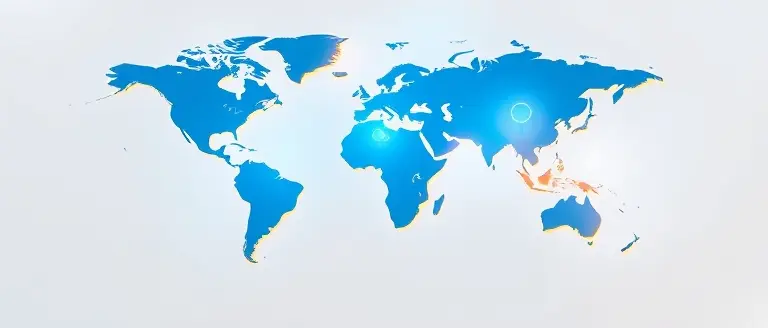
The 2026 FIFA World Cup marks a historic departure from the traditional, single-venue opening ceremony model. In previous iterations, such as the 2022 tournament in Qatar, the entire cultural spectacle was concentrated in one location, serving as a singular prelude to the opening match. This year, the tournament has adopted a decentralized, multi-nation strategy to reflect the shared hosting responsibilities of Mexico, Canada, and the United States. By splitting the festivities between Mexico City, Toronto, and Los Angeles, FIFA is attempting to foster regional excitement while addressing the logistical reality of a tournament spread across the vast North American continent.
Cultural and Logistical Significance
This new approach serves several strategic purposes beyond mere geography. First, it acknowledges the distinct cultural identity of each host nation, ensuring that the FIFA World Cup 2026 opening ceremony experience is locally relevant rather than a generic global presentation. Second, it mitigates the immense travel strain that would be placed on fans and performers if only one site were chosen for the kickoff.
Key differences between the 2026 model and historic formats include:
- Regional Inclusion: By hosting ceremonies in three distinct countries, FIFA ensures that the world cup ceremony feels like an inclusive event for all host nations rather than favoring a singular venue.
- Staggered Fan Engagement: The decentralized schedule allows local media and sponsors to tailor their broadcasts—such as checking the opening ceremony world cup 2026 time specifically for their region—without competing with a singular, monolithic event schedule.
- Logistical Resilience: Spreading the ceremonial weight across three major urban centers reduces the pressure on local infrastructure and security in any one city, providing a scalable framework for future multi-nation bids.
Ultimately, the 2026 strategy prioritizes a broader reach. While traditionalists may miss the singular grandiosity of past openings, the shift to a distributed event structure reflects the reality of the modern, expansive tournament landscape, setting a new benchmark for how global sports entities manage multi-country hosting duties.
Host City Focus: What to Expect in Mexico City, Toronto, and Los Angeles
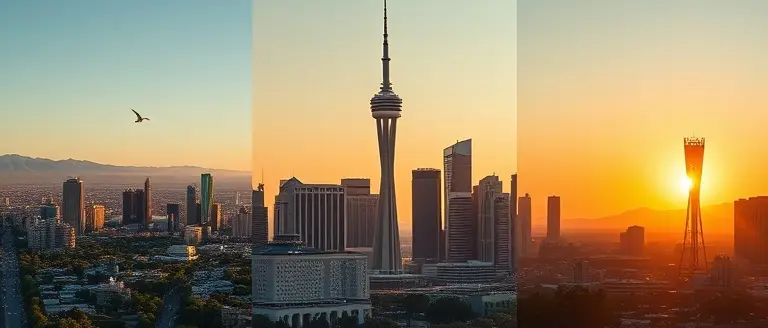
The 2026 FIFA World Cup opening ceremony structure represents a historic shift in how global sports spectacles are delivered. By decentralizing the festivities, FIFA is highlighting the distinct cultural identities of North America’s three host nations. Understanding the specific local flavor of these venues is essential for fans tracking the FIFA world cup 2026 opening ceremony schedule across different time zones.
Mexico City: The Historic Kickoff
As the site of today’s inaugural event, the iconic Estadio Azteca provides a legendary backdrop for the tournament’s first act. Expectations for the Mexico City celebration were high, focusing on vibrant, high-energy musical performances from artists like Shakira and local cultural ambassadors. This venue celebrates the rich football heritage of Mexico, setting a high bar for the technical production and crowd engagement that will define the rest of the competition.
Toronto and Los Angeles: The Road Ahead
Following the initial launch, the focus shifts to BMO Field and SoFi Stadium, each bringing a unique regional flair:
- Toronto (BMO Field): The Canadian leg of the ceremony is expected to emphasize a multicultural, forward-looking aesthetic. Fans should look for a production that mirrors Toronto’s global diversity, likely featuring a blend of modern electronic soundscapes and indigenous artistry to highlight the nation’s northern spirit.
- Los Angeles (SoFi Stadium): As the final major venue in this three-part series, the LA ceremony is anticipated to lean into the cinematic history and entertainment prestige of Southern California. With state-of-the-art technology, expect a high-gloss, spectacle-driven performance that emphasizes Hollywood-level production values.
For those tracking the opening ceremony world cup 2026 time for these later events, it is vital to adjust for local time zones. The decentralized approach ensures that the world cup ceremony remains accessible, allowing local fans in each host city to experience the grandeur of the FIFA World Cup firsthand while providing a unique narrative arc as the tournament travels across the continent.
Master the Tournament Chaos and Stay Sharp
The 2026 World Cup is more than just a tournament; it is a sprawling, high-energy event that demands your full attention. As the ceremonies move from Mexico City to Toronto and Los Angeles, the challenge of managing multiple time zones and staying ahead of the schedule can quickly lead to mental fatigue. Processing this influx of information while managing the excitement of live matches often results in brain fog, leaving you feeling less than optimal when the most crucial moments happen on screen.
Keeping up with the complex demands of three different host cities and shifting broadcast schedules is mentally draining. To ensure you stay sharp for every moment of the action, you need a reliable mental routine that combats this fatigue. The Brain Song is designed specifically for the tech-savvy fan who refuses to let mental fog ruin their viewing experience. By providing a science-backed, non-invasive way to maintain peak cognitive focus, it serves as your essential digital companion throughout the multi-week tournament, allowing you to parse complex schedules and enjoy every detail of the coverage with absolute clarity.
Don’t let the intensity of the World Cup leave you lagging behind. By integrating this 12-minute mental performance tool into your daily routine, you transform from a passive observer into an optimized, highly-focused spectator who never misses a beat. Prepare your mind for the intensity of the upcoming events and ensure your cognitive performance is as elite as the athletes on the field.
 Optimize your focus for the upcoming Los Angeles ceremony—start your 12-minute Brain Song routine here.Yes, I Want to Sharpen My Focus Now!