
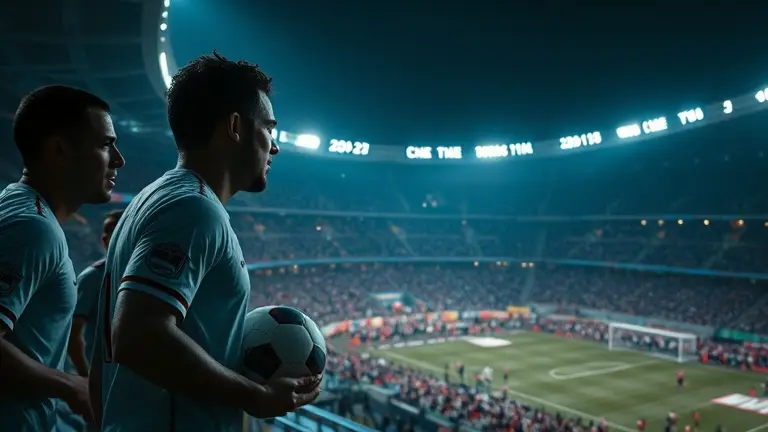
The wait is finally over. As the world converges on Mexico City for the opening match, the 2026 FIFA World Cup™ is officially no longer a countdown—it is a reality. With a historic 48-nation format and a grueling schedule of 104 matches spanning from Canada to the United States, the scale of this tournament is unprecedented. For fans and analysts alike, the next 48 hours will be a frantic scramble to navigate shifting team lineups, logistical gridlock in host cities, and the sheer complexity of a group-stage structure that has never been tested at this level.
While global media outlets fixate on breaking news and injury updates, the real challenge for the modern fan is keeping pace with the chaos. Moving from the anticipation of the opening ceremony to the tactical reality of group-stage play requires more than just passion; it requires deep focus and the ability to process dense, rapidly changing information. If you are ready to move beyond the generic previews and truly master the dynamics of the 2026 tournament, you need to be prepared for a level of intensity that will demand your absolute best cognitive performance.
The Road to Kickoff: FIFA World Cup 2026™ Begins in Mexico City
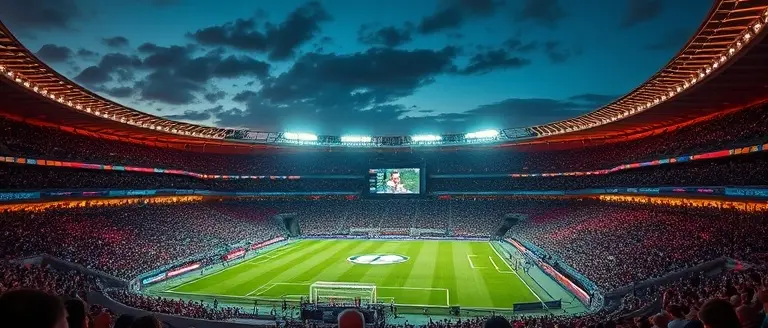
The global sports landscape shifts its focus to Mexico City tomorrow, June 11, 2026, as the FIFA World Cup 2026™ officially commences. This historic tournament marks a watershed moment for international soccer, featuring an unprecedented 48-nation format and a grueling schedule of 104 matches spanning across the United States, Mexico, and Canada. As the host cities finalize their logistical arrangements, excitement has reached a fever pitch, bolstered by the highly anticipated opening ceremonies designed to showcase the unique cultural heritage of the three North American hosts.
Navigating the 48-Nation Expansion
For casual fans, the expanded format has introduced a new layer of complexity to the group stages. With 48 teams competing, the traditional structure has been overhauled to accommodate the surge in participation. Understanding how teams advance is vital for following the tournament, as the math behind the group-stage dynamics will influence every tactical decision made by managers over the next few weeks.
Athlete Availability and Preparations
As the opening whistle nears, the health of marquee players remains a central narrative. Medical updates continue to dominate sports headlines:
- Lionel Messi: All eyes are on the Argentine icon as he navigates final recovery protocols to ensure he hits the pitch at full capacity.
- Chris Richards: The U.S. defender’s status has been a point of concern for fans, with coaching staff working diligently to clear him for tournament play.
- Host Logistics: Beyond the roster updates, organizers have finalized essential labor agreements, such as those at SoFi Stadium, ensuring that the infrastructure is fully operational for the high-volume matches ahead.
With the “human wave” events in Mexico City setting a record-breaking tone for fan engagement, the tournament is poised to be as much a logistical feat as it is an athletic one. Fans should expect a high-energy start as the world transitions from the uncertainty of preparations to the intensity of live competitive play.
Demystifying the 48-Team Format: A Guide to the 104-Match Marathon

The FIFA World Cup 2026™ represents the most significant structural change in the tournament’s nearly century-long history. Moving away from the long-standing 32-team model, this expanded competition features 48 nations competing across 16 host cities in the United States, Canada, and Mexico. For the casual fan, the leap to 104 matches may feel overwhelming, but the logic behind the new structure is designed to increase competitive intensity from the opening whistle to the final.
How the New Group Stage Functions
The tournament is organized into 12 groups of four teams each. This expansion ensures that every nation is guaranteed at least three high-stakes matches during the initial group phase. To progress to the knockout stages, teams must navigate a rigorous qualification path:
- Top Finishers: The winner and runner-up from each of the 12 groups automatically advance to the Round of 32.
- The “Best Third” Rule: To fill the remaining eight spots in the Round of 32, the eight best third-placed teams—determined by points, goal difference, and fair play rankings—also secure a path to the knockout phase.
The Path to the Final
Once the field is whittled down to 32, the tournament shifts into a traditional single-elimination bracket. The introduction of the Round of 32 acts as an additional layer of unpredictability, forcing teams to manage squad depth and player fatigue over a longer duration. Because the total number of matches has ballooned to 104, teams that reach the final must demonstrate exceptional resilience and tactical flexibility. By prioritizing this inclusive 48-nation format, FIFA has successfully increased the global reach of the sport, ensuring that more nations have a legitimate stake in the drama of the World Cup while providing fans with an unprecedented volume of elite-level football.
Fan Survival Guide: Navigating Match Days in Host Cities
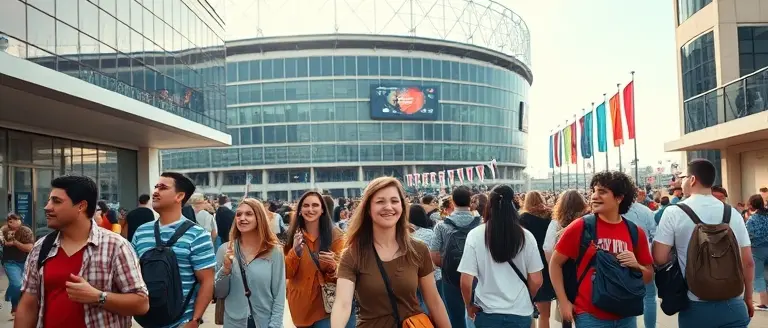
As the FIFA World Cup 2026™ kicks off, thousands of supporters are converging on 16 host cities across North America. Navigating the sheer scale of 104 matches requires more than just a ticket; it demands a strategic approach to transit and stadium protocols. With massive crowds expected, local authorities are emphasizing the “four-hour rule”: arrive at the stadium gates at least four hours before kickoff to clear security perimeters, which are significantly more stringent than standard professional league games. For venues like SoFi Stadium in Los Angeles, fans should anticipate unique logistical layouts and strictly enforced ride-share drop-off zones that may differ from typical NFL game days.
Essential Transit and Security Tips
To ensure a seamless match-day experience, prioritize these logistical best practices:
- Download Official Apps: Install the FIFA ticketing and transport applications immediately. These are your primary sources for real-time traffic updates, shuttle schedules, and digital entry passes.
- Leverage Public Transit: In cities with robust infrastructure, public rail and dedicated tournament express buses are the only reliable way to bypass gridlocked stadium parking areas.
- Security Screening Efficiency: Leave large bags at your accommodation. Stadiums are enforcing a strict “no-bag or clear-bag” policy to accelerate entry. Have your mobile ticket pulled up and your brightness set to maximum before reaching the turnstile.
- Navigate Fan Zones: The official FIFA Fan Zones are the heartbeat of the tournament. These hubs offer live screenings, cultural performances, and local food vendors, but they reach capacity quickly. Aim to arrive during mid-morning for evening matches to secure entry.
Understanding the unique nuances of each host city is critical for traveling supporters. While the atmosphere is celebratory, the sheer volume of international visitors creates pressure on local infrastructure. Always carry a physical or digital copy of your hotel address and emergency contacts. By prioritizing pre-planned travel routes and adhering to the updated stadium security guidelines, you can minimize friction and maximize your enjoyment of this historic 48-nation tournament. Stay informed through official social channels for any last-minute adjustments to match-day ingress and egress procedures.
Opening Match Reaction: Decoding the Global Sentiment

The 2026 FIFA World Cup™ has officially commenced, and the atmosphere following the opening match in Mexico City is nothing short of electric. Global sentiment, tracked across social platforms like TikTok and X, indicates an overwhelming sense of relief and excitement as the historic 48-nation format finally transitions from theoretical planning to on-pitch reality. Early reactions highlight the massive “human wave” energy that defined the stadium atmosphere, reinforcing that the logistical preparations in Mexico have set a high bar for the remaining 103 matches scheduled across the United States, Canada, and Mexico.
Tactical Shifts and Early Tournament Momentum
The tactical opening of the tournament offered a glimpse into how teams are adapting to the expanded field. Analysts are noting a deliberate shift in high-press strategies, as squads look to secure early points in the group stages to avoid the unpredictability of the new knockout qualification process. Key observations include:
- Defensive Rigor: Nations are prioritizing structured, compact defensive lines to mitigate the risks associated with the high-stakes environment of an opening match.
- Squad Rotations: Managers are already utilizing the full depth of their enlarged rosters, a necessary strategy given the grueling travel demands of this tournament.
- Public Sentiment: Fans are overwhelmingly positive about the expanded format, viewing the increased volume of games as a massive improvement in accessibility and viewing opportunities.
The digital discourse is currently dominated by real-time reactions to player performances, particularly among star athletes who arrived with injury clouds. Evidence suggests that the immediate global focus is on “tournament rhythm.” As spectators digest the first results, the conversation has pivoted toward how this initial momentum will impact the upcoming logistical challenges for traveling supporters. With the world watching, the 2026 campaign has proven that the expansion to 48 teams has successfully amplified the tournament’s cultural footprint before the first 48 hours have even elapsed.
Master the Tournament Chaos with Absolute Clarity
The 2026 FIFA World Cup™ is officially here, and with 104 matches unfolding across three nations, the margin for error in staying informed has never been thinner. Whether you are navigating the logistical hurdles of a host city or trying to track the complex permutations of the new 48-team group stage, the pace of this tournament is designed to overwhelm the unprepared mind.
To truly stay ahead of the curve, you need more than a game schedule; you need peak cognitive sharpness to process the influx of data, injury reports, and strategic shifts in real-time. This is where The Brain Song becomes your most essential tournament companion. By clearing mental fog and sharpening your focus, this daily routine ensures you possess the mental stamina required to track every detail of this historic event without missing a beat.
Don’t let the sensory overload of the tournament diminish your experience. Sharpen your edge and elevate your fan status by integrating a science-backed routine designed for high-performance individuals in high-stakes environments. It is time to move beyond the chaos and engage with the beautiful game with unrivaled clarity.
 Prepare your mind for the intensity of the 2026 World Cup—click here to start your 12-minute daily cognitive routine.Yes, I Want to Sharpen My Focus Now!