
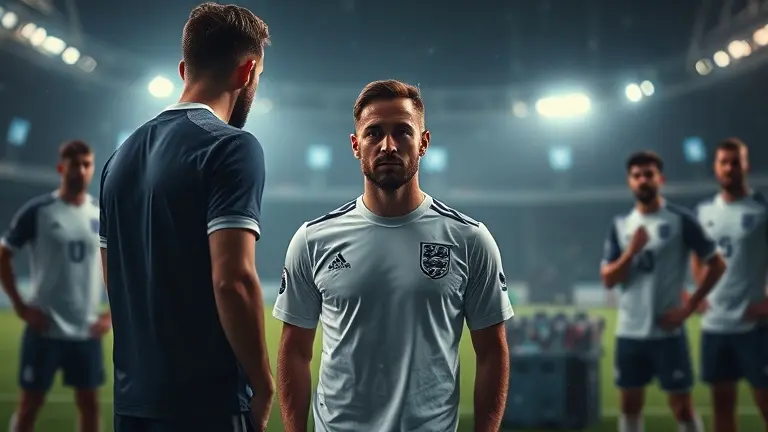
The storms that battered Orlando were merely a prelude to the brewing tactical tempest surrounding the England national football team. As Thomas Tuchel finalizes his preparations for the 2026 FIFA World Cup, the delayed warm-up against Costa Rica has left fans and pundits scrambling to decipher the manager’s true intent. While the rain forced a logistical pause, the underlying questions remain heavy: How will Tuchel resolve the creative congestion in the attacking third, and is the current reliance on Jude Bellingham as the central playmaker truly sustainable against elite tournament opposition?
The scrutiny is intense, and for good reason. From the lingering England vs. Costa Rica performance markers to the puzzling missed opportunities by Noni Madueke, the path to success in North America is far from clear. As we edge closer to kickoff, the debate isn’t just about personnel—it is about the mental fortitude and tactical precision required to navigate the climate and pressure of a home-continent World Cup. To truly understand the nuances of the upcoming England FC tactical shifts, one must look beyond the match reports and engage with the underlying cognitive demands of elite-level football analysis.
The Storm in Orlando: Assessing England’s Final Warm-Up Against Costa Rica
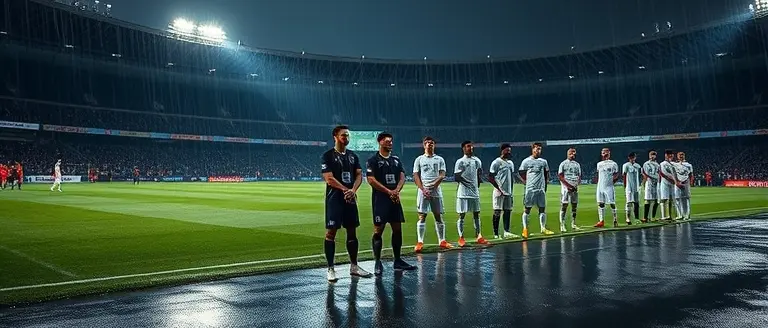
The final preparations for the England national football team hit a climatic hurdle in Orlando as inclement weather forced a significant delay to their warm-up fixture against Costa Rica. While the technical staff, led by Thomas Tuchel, initially viewed this match as the ultimate litmus test for match fitness and tactical synchronization, the environmental disruption added an unexpected layer of adversity. This delay, however, provided an unplanned look at the squad’s mental resilience and adaptability, traits that are arguably as vital as technical prowess when competing in the high-stakes environment of a North American FIFA World Cup.
Tactical Insights and the ‘No 10’ Dilemma
Despite the logistical challenges, the England vs. Costa Rica match confirmed several key tactical intentions for the upcoming tournament. With the team securing a hard-fought result, observers have focused heavily on the England football squad’s offensive fluidity. The evidence suggests that Tuchel is still refining the central creative hub of his side:
- The Jude Bellingham Effect: His role remains the primary focal point of the England FC tactical debate, specifically regarding his freedom of movement in the final third.
- Anthony Gordon’s Impact: His ability to stretch defenses proved effective, offering a direct contrast to the narrower play observed in previous camps.
- Final Third Efficiency: The missed opportunities, notably involving Noni Madueke, highlight the urgent need for clinical composure before the group stages commence.
Ultimately, this fixture served as a microcosm of the challenges facing the England camp. As the team transitions from warm-ups to official tournament play, the tactical flexibility demonstrated under duress in Orlando will be the benchmark for their success. By analyzing these final patterns, it is clear that while the defensive structure appears solidified, the delicate balance of the attacking transition remains the most critical variable in the Three Lions’ quest for glory.
The England World Cup 2026 Tactical Dilemma: Solving the No. 10 Puzzle

As the England national football team finalizes preparations for the 2026 FIFA World Cup, head coach Thomas Tuchel faces a pivotal selection challenge: identifying the primary playmaker to anchor the attacking line. Following the weather-delayed warm-up match against Costa Rica, the discourse surrounding the England FC setup has centered on finding a balance between defensive discipline and creative freedom. The “No. 10” position remains the most scrutinized role, as the team attempts to leverage individual talent without compromising the structural integrity required for a high-stakes tournament.
Evaluating the Playmaking Profiles
The tactical dilemma boils down to how Tuchel intends to deploy his most dynamic assets. While Jude Bellingham has emerged as the clear frontrunner for the central playmaking role, his ability to influence the game from deeper positions versus a traditional advanced role creates a ripple effect throughout the squad. Evidence from the recent warm-up fixtures suggests that Tuchel is experimenting with different configurations to accommodate various attacking threats. Key candidates and considerations include:
- Jude Bellingham: Offers a physical and technical bridge between the midfield and the forwards, allowing for late-arriving runs into the box.
- Anthony Gordon: Provides explosive pace on the flanks, which forces opponents to drop deeper, potentially opening lanes for the central No. 10 to operate.
- Tactical Flexibility: Tuchel must determine whether to prioritize a rigid, possession-based control or a more transition-heavy approach tailored to the diverse North American venues.
The England vs. Costa Rica performance highlighted that while the squad possesses elite quality, finishing remains a point of contention. Players like Noni Madueke have shown promise, yet the team often struggles to unlock low blocks when the No. 10 is isolated. To achieve success in the 2026 World Cup, Tuchel’s England World Cup 2026 tactical dilemma must be resolved by refining the interplay between the midfield pivot and the creative playmaker, ensuring that the attacking unit maintains its momentum regardless of the climate or opposition strategy.
Thomas Tuchel’s England XI Predictions: Who Starts the Opener?

Following the weather-delayed clash against Costa Rica in Orlando, Thomas Tuchel faces a definitive tactical crossroads for the England national football team. While the narrow victory provided a confidence boost, the performance highlighted both the immense potential and the remaining friction points in his preferred system. The primary England World Cup 2026 tactical dilemma centers on the creative engine of the squad: finding the perfect balance between defensive stability and attacking fluidity.
Analyzing the ‘No 10’ and Attacking Dilemma
The biggest takeaway from the recent fixture is the evolving role of Jude Bellingham. When deployed as the central playmaker, Bellingham’s ability to drive into the final third remains world-class, yet it often leaves the midfield vulnerable to counters. Conversely, Anthony Gordon proved his worth against Costa Rica, utilizing his pace to stretch the defense, making him a front-runner for a starting wing position. However, Noni Madueke’s inability to capitalize on key transitions suggests he may start the tournament on the bench.
Based on the final warm-up evidence, here is the projected tactical outlook:
- The Playmaker Debate: Expect Tuchel to favor a hybrid role for Bellingham, allowing him to push forward while a disciplined defensive midfielder anchors the base.
- Forced Selections: Gordon’s impact in Orlando almost guarantees him a spot in the starting XI for the tournament opener, provided he maintains his high press.
- Tactical Flexibility: Tuchel is likely to rotate between a 4-2-3-1 and a 3-4-3 formation depending on the opponent’s defensive block, a necessity for navigating the diverse challenges of the 2026 FIFA World Cup.
Ultimately, while the team showed signs of cohesion, Tuchel’s England XI predictions hinge on whether he prioritizes control or raw attacking aggression. The coaching staff now has limited time to refine these rotations, but the blueprint provided by the England vs. Costa Rica match serves as a vital indicator of the manager’s current strategic intent.
Power Rankings: England’s Status Among the 2026 World Cup Favorites

Following the weather-delayed victory in the England vs. Costa Rica fixture in Orlando, the England national football team has solidified its position as a top-three contender in our pre-tournament power rankings. While the narrow 1-0 scoreline may leave some fans anxious about attacking efficiency, the underlying tactical data under Thomas Tuchel suggests a squad peaking at the right moment. The ability to grind out a result in high-humidity conditions—a logistical challenge that will surely define the 2026 FIFA World Cup—proves that this group has the physical and mental fortitude required for a deep knockout-stage run. Compared to other heavyweights like Brazil or France, England FC possesses a unique blend of tournament experience and fresh tactical discipline that makes them a formidable favorite heading into the group stage.
Tactical Versatility and Key Strengths
The primary debate surrounding the England football squad remains the deployment of elite talent in the final third. Evidence from the warm-up period indicates that Tuchel is leaning toward a fluid attacking structure. To navigate the opening rounds effectively, the team’s success will likely hinge on these strategic focal points:
- Bellingham as the Playmaker: Jude Bellingham’s role as a creative pivot is non-negotiable. His capacity to link midfield transition to the frontline is the engine of this team.
- The ‘No 10’ Dilemma: While the starting position remains under intense scrutiny, the rotating cast behind the striker allows Tuchel to adjust to defensive-minded opponents.
- Impact Substitutes: The performance of players like Anthony Gordon highlights a growing depth in the roster, providing a necessary injection of pace when opponents fatigue.
Despite concerns regarding missed opportunities, such as those witnessed by Noni Madueke in recent outings, the creation of high-value chances is a positive indicator. The “England World Cup 2026 tactical dilemma” is not a sign of weakness, but rather a reflection of a manager meticulously fine-tuning a world-class unit for the unique demands of the North American environment. As the tournament commences, fans should feel confident that the Three Lions have the structural integrity to advance comfortably, provided they maintain this defensive resilience.
Mastering the Tactical Blueprint
The road to 2026 for England is paved with complex choices that require more than just a surface-level understanding of the game. Whether it is solving the ‘No 10’ conundrum or adjusting to the logistical realities of North American weather, the modern England fan needs to process high-density data to stay ahead of the narrative. Analyzing these shifts is not merely a hobby; it is a high-cognitive task that demands peak mental agility.
Just as Thomas Tuchel requires absolute mental clarity to navigate these high-stakes tactical dilemmas, you need the same sharpness to truly grasp the intricacies of the Bellingham-Gordon interplay. This is where The Brain Song becomes your most essential performance tool. By providing the mental clarity and cognitive focus necessary to cut through the noise of generic sports coverage, this supplement is designed specifically for the serious football analyst who refuses to settle for superficial insights.
Don’t let the complexity of the World Cup preparation overwhelm your analytical edge. Elevate your tactical understanding and cut through the noise—try The Brain Song today to optimize your focus for the 2026 World Cup and witness the game with newfound clarity.
 Elevate your tactical understanding and cut through the noise—try The Brain Song today to optimize your focus for the 2026 World Cup.Sharpen My Focus Today!