
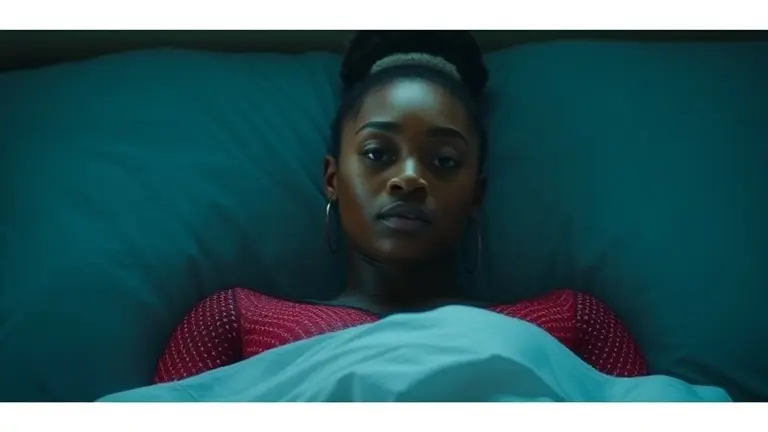
In early June 2026, the world of elite sports stood still as gymnastics legend Simone Biles shared a stark, vulnerable update on social media. After falling suddenly and gravely ill, Biles revealed she had been confined to her bed, describing the ordeal as “one of, if not the scariest experience of my life” and admitting she felt as though she “almost died.” While the lack of medical specifics has ignited a wildfire of speculation across social platforms, the situation serves as a sobering reminder that even the most physically conditioned athletes are not immune to the unpredictable nature of health crises.
As media narratives swirl, the focus has shifted from Biles’ status as a superhuman performer to her fundamental right to human privacy. By choosing not to disclose the precise details of this frightening event, Biles has set a firm boundary, prompting a larger conversation about the intersection of public concern and personal autonomy. Navigating the aftermath of such a trauma requires more than just physical recovery; it necessitates a profound preservation of mental clarity and emotional resilience in the face of intense, unyielding public scrutiny.
Understanding Simone Biles’ Recent Health Update

In early June 2026, the global sports community was shaken when gymnastics icon Simone Biles shared a candid and concerning update regarding a recent medical emergency. Through her official social media channels, Biles revealed that she had been sidelined by an undisclosed illness that left her bedridden. The athlete characterized the incident as “one of, if not the scariest experience of my life,” further noting the profound gravity of the situation by stating she felt as though she “almost died.” This direct communication sparked immediate concern among fans and sports analysts alike, particularly due to her status as one of the most resilient and peak-conditioned athletes in the world.
Maintaining Privacy Amid Public Concern
Despite the widespread media coverage and intense public curiosity, Biles has intentionally withheld specific medical details. As of now, there has been no official medical diagnosis disclosed to the public. The lack of clarity regarding her symptoms has naturally led to significant media speculation and social media chatter; however, it remains vital to distinguish between confirmed facts and unverified rumors.
Key aspects of the situation include:
- The Disclosure: The update originated directly from Biles’ verified platforms, ensuring the veracity of the claim while maintaining control over her narrative.
- The Severity: Her choice of language—specifically citing the almost dying experience—highlights the genuine nature of the crisis, even without a clinical label.
- The Privacy Boundary: Biles has established a firm line regarding her private health information, underscoring the importance of respecting athlete autonomy during sensitive periods of recovery.
The current discourse serves as a reminder of the complex relationship between high-profile athletes and their supporters. While the public’s instinct is to seek answers, experts emphasize the need for professional empathy. Respecting the privacy of Simone Biles during this recovery phase is not merely a matter of decorum but a necessary practice in supporting the holistic well-being of athletes who share their challenges with the world. For now, the focus remains on her health and recovery, with the community waiting for further updates only when she feels ready to provide them.
A Timeline of Events: June 2026
In early June 2026, the public narrative surrounding the Olympic icon shifted abruptly when Simone Biles shared a candid update regarding a severe medical emergency. Prior to this revelation, there was a brief period of uncharacteristic silence from the athlete, which had prompted quiet speculation among her dedicated fan base. This silence was shattered when Biles took to social media to characterize the ordeal as the “scariest experience of my life,” noting that she felt she had “almost died” while being bedridden.
Chronology of the Disclosure
To provide clarity amidst the noise of social media rumors, the following timeline outlines the verified sequence of events:
- Initial Period of Absence: In the days preceding her announcement, Biles stepped back from her regular public-facing duties and social media activity, leaving followers unaware of the health crisis unfolding behind the scenes.
- The Announcement: In a direct post to her followers, Biles revealed she had been dealing with an unnamed, severe health scare. She chose not to disclose specific medical details, emphasizing that she was focusing on her recovery rather than public scrutiny.
- Public and Professional Response: Within 48 to 72 hours of her disclosure, an overwhelming outpouring of support emerged. Major media outlets, including NBC News and TODAY, amplified the news, while fellow athletes and fans flooded her comments sections with messages of encouragement and well-wishes.
- Current Status: As of now, Biles has maintained her privacy regarding the nature of the illness. She has moved to limit further public discussion, urging supporters to respect her boundaries as she prioritizes her long-term health.
The situation underscores the tension between public curiosity and the personal autonomy of elite athletes. By choosing to share only the emotional gravity of the incident without revealing medical specifics, Biles has set a firm precedent for how she manages her health transparency. We recommend that followers rely solely on updates provided through her official channels, as any additional details regarding her condition currently circulating online remain unverified speculation.
Navigating Public Scrutiny and Personal Privacy
When a world-renowned athlete like Simone Biles shares a scariest experience involving a sudden health scare, the immediate public response often oscillates between genuine concern and invasive speculation. The rapid digital discourse following her recent disclosure highlights the complex reality of being a high-profile figure in the age of 24-hour social media cycles. While fans feel a parasocial connection to her journey, the tension between an athlete’s right to keep medical details private and the public’s “need to know” creates significant pressure on the individual recovering from a serious emergency.
The Impact of Social Media Speculation
The lack of specific medical information regarding her recent incident has unfortunately fueled rampant rumors across various platforms. Experts in digital ethics suggest that this tendency to speculate can be detrimental, not only to the athlete’s peace of mind but also to the accuracy of health reporting. Maintaining strict boundaries during a recovery process is not just a personal preference; it is a clinical necessity. For a high-performance athlete, the mental load of managing a massive, unsolicited public narrative can significantly hinder physical healing.
Balancing Transparency and Boundaries
Maintaining privacy during a health crisis involves navigating several key challenges that impact both the individual and their support system:
- Protecting Mental Well-being: Public figures often face a barrage of inquiries that can lead to anxiety and stress, complicating the recovery process.
- Preventing Misinformation: When specific details are withheld, gaps in information are often filled by unverified sources, leading to a distorted public record.
- Establishing Agency: By choosing what to disclose, an athlete asserts control over their own narrative, which is essential for emotional health.
- Setting Boundaries: Respecting the silence of a public figure is a form of support, acknowledging that their health and recovery take precedence over media consumption.
Ultimately, honoring the boundaries set by an athlete like Simone Biles regarding her almost dying health event is a testament to audience maturity. True support lies in respecting that even the most visible stars require the space to navigate life-altering challenges without the glare of public inspection.
The Dangers of Medical Speculation Online

When a high-profile figure like Simone Biles shares news about a serious health crisis, the public’s desire for information is understandable. However, the immediate rush to diagnose or theorize about a “scariest experience” often leads to the rapid spread of medical misinformation. Following her recent disclosure in early June 2026, social media platforms became hotbeds for unverified claims, ranging from misinterpretations of her symptoms to unfounded rumors about her future in gymnastics. Engaging in this type of speculation is not merely a digital distraction; it can have tangible, negative impacts on the individual involved, compounding the stress of an already vulnerable medical situation.
Why Verified Reporting Matters
The medical details surrounding a person’s health are deeply personal and protected by rights to privacy, even for elite athletes. When the public fills an information vacuum with conjecture, several critical issues arise:
- Erosion of Trust: Unverified theories often contradict official statements, causing confusion among fans and the general public.
- Psychological Toll: Athletes dealing with a health scare are often managing physical recovery; navigating a storm of online rumors can exacerbate their stress levels.
- Reputational Harm: Misleading narratives can overshadow the athlete’s actual achievements and professional boundaries, distorting how the public perceives their physical well-being.
- Spreading False Data: Algorithms prioritize engagement over accuracy, meaning that false medical claims can spread faster than official updates, leading to widespread public alarm based on nothing more than guesswork.
It is imperative to rely exclusively on official channels, such as statements from representatives or the athlete’s verified social media accounts. By waiting for verified insights rather than participating in the speculation surrounding her almost dying experience, fans demonstrate genuine support. Respecting the privacy of Simone Biles during this recovery period allows her the necessary space to focus on her health, ensuring that the next update comes from a place of clarity and truth rather than digital noise. Choosing to avoid the amplification of rumors is the most responsible way for the community to engage with this sensitive news.
Prioritizing Your Own Cognitive Resilience
While we may never know the specific clinical details of Simone Biles’ recent health scare, her harrowing experience underscores the often invisible, high-stakes battle for cognitive and physical recovery that elite performers face every single day. This incident highlights that true recovery is as much about protecting the mind from the fog of stress as it is about treating the body. When life demands peak performance, having a proactive, science-backed approach to your own wellness is not just a luxury—it is a necessity for long-term health.
In a world that is increasingly overwhelming, you can take control of your own mental clarity and cognitive well-being today. The Brain Song offers a non-invasive, wellness-centered solution designed to support your brain’s natural ability to recover from the crushing weight of daily stress and mental fatigue. By utilizing auditory stimulation to cut through cognitive fog, this neuroscience-based tool serves as the perfect proactive companion for anyone looking to navigate high-pressure environments with grace and focus.
You don’t need to be an Olympic athlete to prioritize your brain health. Embrace a more resilient version of yourself by integrating this innovative method into your daily recovery routine. It is time to clear the noise and sharpen your mental edge through a method that respects the complexity of the human mind, just as we must respect the privacy of those navigating their own healing journeys.
 Support your mental clarity and combat daily cognitive fog by incorporating the 12-minute Brain Song routine into your wellness recovery plan.Transform My Life Today