
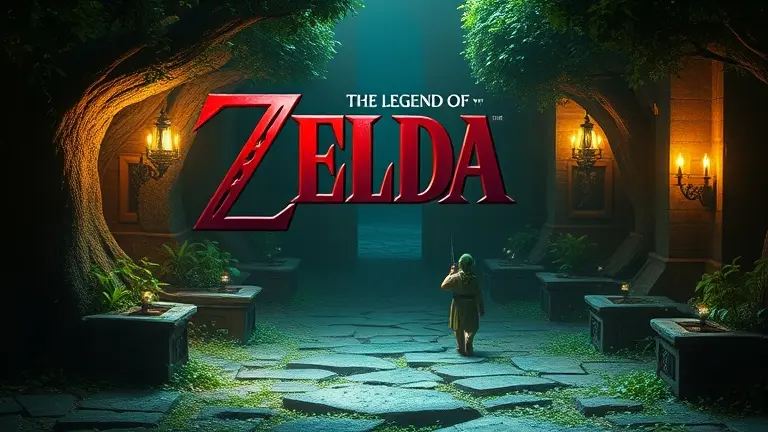
The gaming industry stood still on June 9, 2026, when Nintendo finally shattered years of silence, confirming that a ground-up Ocarina of Time remake is currently in development for the upcoming Nintendo Switch 2. For millions of fans, this is not just another port; it is the holy grail of Zelda Ocarina of Time experiences, reimagined for modern hardware. As excitement builds toward a late-2026 release, the conversation has rapidly shifted from mere celebration to high-stakes speculation: how will the rumored power of the Nintendo Switch 2 transform the iconic fields of Hyrule, and will this version dare to adopt the open-world evolution seen in Breath of the Wild?
Beyond the trailer, the true intrigue lies in the technical evolution of this OoT remake. Discerning fans are already dissecting potential graphical overhauls, quality-of-life adjustments for notoriously difficult dungeons, and the possibility of a limited-edition console bundle. We are moving beyond the hype of simple reporting and into the territory of architectural analysis, exploring exactly what it takes to rebuild a masterpiece. Just as we obsess over the technical blueprints and developmental foundations behind this legend of Zelda Ocarina of Time revival, we realize that true quality is never built on guesswork—it is crafted through vision and extreme precision.
The Legend Returns: Nintendo Confirms Ocarina of Time Remake for Switch 2
After years of relentless rumors and fervent community speculation, the gaming world finally received the news it has been waiting for: a ground-up ocarina of time remake is officially in development. During the monumental Nintendo Direct presentation on June 9, 2026, Nintendo stunned audiences by announcing that the N64 classic, The Legend of Zelda: Ocarina of Time, is being reimagined specifically for the upcoming Nintendo Switch 2. This announcement effectively silences the “will they or won’t they” discourse that has dominated forums like Reddit and social media platforms for the better part of a decade. By confirming a targeted 2026 release window, Nintendo has firmly positioned this title as a cornerstone of the next-generation hardware’s launch lineup.
The industry response has been overwhelmingly positive, with major outlets such as IGN and TweakTown highlighting the strategic significance of this project. Unlike the previous Zelda Ocarina of Time ports or the 3DS remaster, this iteration is being built from the ground up to leverage the advanced capabilities of the new console. The shift from original 1998 code to modern architecture suggests a title that will honor the legacy of the original while introducing high-fidelity textures, modernized lighting, and perhaps updated traversal mechanics that align with modern open-world standards.
Key takeaways from the initial reveal include:
- Platform Exclusivity: The remake is confirmed as a marquee title for the Nintendo Switch 2, serving as a “system seller.”
- Development Scope: Unlike a simple high-definition remaster, Nintendo emphasized a “ground-up” rebuild, signaling a significant investment in modernizing assets and core gameplay loops.
- Targeted Launch: While the specific date remains fluid, the 2026 window suggests the title is a high priority for Nintendo’s year-end revenue strategy.
For fans of the oot remake, this confirmation marks the end of a long wait and the beginning of a new era for Hyrule. As we look toward the holiday season, the anticipation surrounding the console’s hardware readiness—and how it will render the iconic environments of Kakariko Village and Death Mountain—is reaching a fever pitch. Nintendo’s decision to tap into its most beloved IP for the Switch 2 launch demonstrates a clear intent to dominate the market by blending nostalgia with cutting-edge technological advancements.
Visualizing Hyrule: How Switch 2 Hardware Transforms a Classic

The confirmation of an Ocarina of Time remake for the Nintendo Switch 2 represents a massive technical leap for the franchise, far surpassing the limitations that defined both the 1998 N64 original and the 2011 3DS remaster. By migrating this iconic title to modern architecture, developers can finally bridge the gap between early 3D design and current high-fidelity gaming standards. The primary technical improvement expected is the elimination of “zone-based” loading. In the original Legend of Zelda: Ocarina of Time, Hyrule Field was famously fragmented by technical bottlenecks; the Switch 2’s rumored high-speed internal storage and expanded memory capacity will allow for a fully contiguous, seamless open world.
Leveraging Next-Generation Fidelity
The transition to the new hardware enables a complete overhaul of the game’s lighting and asset density. Players should anticipate several transformative upgrades:
- Real-time Ray Tracing: Implementation of hardware-accelerated light bounces, which will be particularly noticeable in the Temple of Time or the cavernous depths of the Forest Temple.
- Massively Extended Draw Distances: The jagged, low-poly horizon lines of the past will be replaced by expansive, detailed vistas, allowing players to see Death Mountain looming clearly from across the map without the heavy fogging used in the 90s to mask performance issues.
- High-Fidelity Textures: Transitioning from filtered N64 sprites to PBR (Physically Based Rendering) materials will give stone, wood, and water realistic surfaces that react dynamically to Link’s interactions.
Beyond visual flair, the OOT remake gains the ability to host significantly more AI-driven NPCs within active environments like Hyrule Market. This technological shift ensures that while the layout remains true to the Zelda Ocarina of Time legacy, the experience will feel as immersive and alive as contemporary titles like Tears of the Kingdom. The convergence of modern compute power and the classic, beloved level design is set to redefine how fans perceive the greatest adventure in gaming history.
The Community Wishlist: Modernizing the Gameplay Experience
With the official confirmation of an Ocarina of Time remake for the Nintendo Switch 2, player expectations are shifting from mere nostalgia to a desire for refined, modern mechanics. While purists argue for a faithful 1:1 recreation of the 1998 classic, the broader gaming community is vocal about necessary quality-of-life improvements that align with the high standards set by contemporary titles. Central to this discussion is the notorious Water Temple; fans are hopeful that the new hardware will allow for a more intuitive UI/UX design, specifically regarding inventory management. Eliminating the constant “menu-hopping” required to equip the Iron Boots would significantly improve pacing and reduce the frustration that plagued the original experience.
Gameplay Mechanics and Accessibility Improvements
The transition to modern hardware provides an ideal opportunity for Nintendo to implement features that have become standard in the open-world era of The Legend of Zelda. Community forums like Reddit frequently highlight several “must-have” additions for the oot remake:
- Modern Camera Controls: Seamless 360-degree camera movement with a lock-on system that feels fluid rather than rigid.
- Hero Mode: An optional, higher-difficulty setting to satisfy veterans looking for a more punishing quest through Hyrule.
- Expanded Fast Travel: A modernized warp system that maintains the lore of the Sheikah stones while reducing backtracking across the expansive map.
- Intuitive UI/UX: Context-sensitive button mapping to minimize inventory screen fatigue during complex combat encounters or dungeon traversal.
Integrating these features would allow Zelda Ocarina of Time to bridge the gap between retro sensibilities and the expectations of modern gamers. By addressing these pain points, Nintendo has the potential to make this the definitive version of the legendary title, ensuring that the legend of zelda ocarina of time remains accessible for a new generation of players while honoring the core spirit that made the original a masterpiece.
Three Decades of Legend: A Visual Comparison of Ocarina of Time
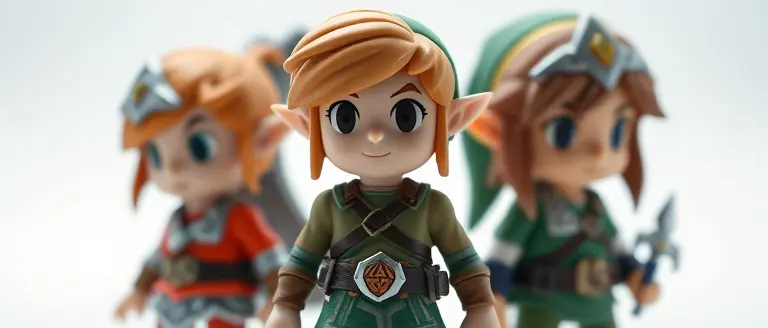
The visual journey of the Legend of Zelda: Ocarina of Time serves as a timeline of gaming history itself. When the original title launched on the Nintendo 64 in 1998, it defined the 3D action-adventure genre with low-poly, angular character models that pushed the hardware to its absolute limit. Fast-forward to 2011, and the Ocarina of Time 3D remake for the Nintendo 3DS introduced more expressive facial animations, higher-resolution textures, and improved lighting, breathing new life into the aging aesthetic while remaining faithful to the original art direction.
Now, with the confirmation of a ground-up Ocarina of Time remake for the Nintendo Switch 2, we are witnessing the most significant leap in graphical fidelity in franchise history. Early details suggest that this version will move away from the limitations of previous handheld iterations, utilizing high-fidelity, motion-captured character models that bridge the gap between classic design and modern rendering techniques seen in recent Zelda titles.
The Evolution of Hyrule’s Icons
The transition from 1998 to 2026 highlights several key technical improvements that fans should expect:
- High-Fidelity Assets: While the 3DS version focused on clarity, the Switch 2 release promises fully detailed armor plating, realistic cloth physics, and intricate hair rendering for Link and Zelda.
- Lighting and Atmosphere: Moving beyond the static pre-rendered backgrounds of the past, the new engine utilizes advanced dynamic lighting to create a lived-in Hyrule, where day-night cycles impact the environment and character shadows in real-time.
- Animation Fluidity: The original’s rigid animations are being replaced by motion-captured movements, ensuring that Link’s combat transitions and exploration feel as fluid as modern open-world benchmarks.
This leap in technology is more than just a cosmetic upgrade; it represents a total reimagining of the world of Zelda Ocarina of Time. As we analyze the oot remake through the lens of modern hardware, it is clear that Nintendo is prioritizing a cinematic experience that captures the same sense of awe that the original provided three decades ago. By marrying the iconic charm of the N64 masterpiece with the raw power of next-generation hardware, this remake is poised to set a new standard for modern game restoration.
Engineering Your Own Masterpiece Beyond Hyrule
The anticipation for the Ocarina of Time remake on the Nintendo Switch 2 is more than just nostalgia; it is a deep appreciation for architectural perfection and the meticulous design required to modernize a classic. As we break down the potential for high-fidelity graphics and revamped gameplay, we are reminded that greatness is never accidental. It is the result of rigorous planning, precise execution, and an obsession with detail that separates good projects from legendary ones.
Just as we obsess over the technical blueprints and architectural overhaul of Hyrule for the Switch 2, true fans know that greatness is built on precise, tested foundations rather than guesswork. If you have ever felt the urge to bring that same level of structural integrity into your own world, you need a guide that treats craftsmanship with the same reverence that developers show the land of Hyrule. Ted’s Woodworking is the ultimate master guide for those who demand error-free instructions and professional-grade diagrams for their projects.
By mastering the techniques within these comprehensive blueprints, you are not just building furniture; you are applying the same analytical, detail-oriented mindset that defines the development of a game-changing remake. Whether you are crafting a simple bookshelf or a complex custom workshop, this is your opportunity to bridge the gap between digital appreciation and tangible creation. Stop guessing and start building with the professional-grade precision that your projects deserve.
 If you are as passionate about precision design as you are about the upcoming Ocarina of Time remake, discover how to build your own masterpiece with the professional-grade precision of Ted’s Woodworking.Yes, I Want To Master My Craft!