
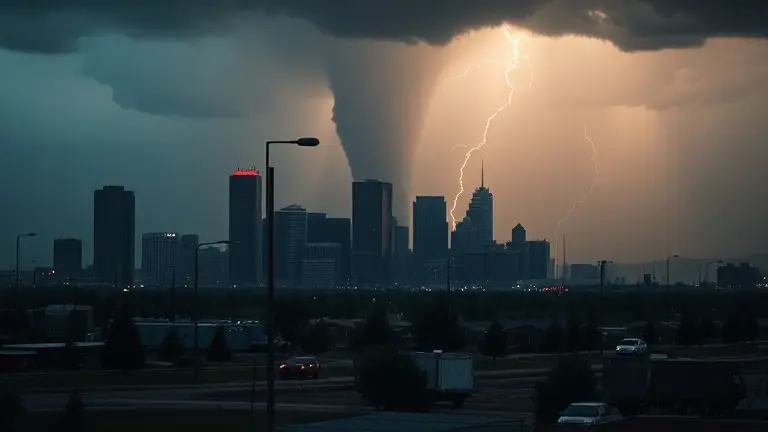
On June 8, 2026, the silence across the Denver metropolitan area was shattered not by the roar of a twister, but by the jarring, unexpected wail of emergency sirens. As severe thunderstorms pushed off the foothills, leaving a trail of large hail and damaging winds, residents were left scrambling to decipher whether they were facing an immediate threat or simply an atmospheric possibility. This confusion was compounded by flight delays at Denver International Airport and the unsettling realization that, in the heat of a weather event, communication gaps can turn manageable anxiety into widespread panic.
Understanding the vital distinction between a tornado watch—where conditions are favorable for development—and a tornado warning—where a storm is imminent—is your first line of defense. When systems falter or sirens sound erroneously, your ability to verify local data becomes critical. But beyond the alerts and radar screens, the true test of preparedness lies in the structural resilience of your property. If the recent weather events taught us anything, it is that Denver residents need more than just information; they need the technical readiness to withstand the unpredictable forces of the Front Range.
Understanding the June 8 Denver Tornado Watch: What Happened?
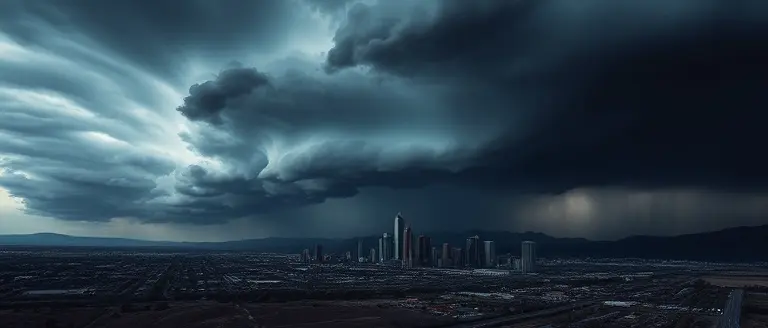
On June 8, 2026, the National Weather Service (NWS) issued a tornado watch for the Denver metropolitan area and much of the Front Range, signaling an urgent alert for residents to remain vigilant. The event was triggered by severe thunderstorms migrating from the foothills, which rapidly intensified due to high instability in the atmosphere. This system brought significant threats, most notably large hail measuring 2.75 to 4 inches in diameter, alongside high-velocity damaging winds that necessitated immediate local awareness. The watch remained active until 9:00 PM MDT, placing regional infrastructure under extreme stress.
Infrastructure and Communication Disruptions
The severe Denver weather event resulted in widespread operational challenges, most visibly at Denver International Airport (DIA). Thousands of travelers faced significant flight delays as ground crews sought safety from the volatile conditions, highlighting how quickly severe weather can paralyze regional transit.
The situation was further complicated by an inadvertent sounding of emergency sirens across the metro area. This technical malfunction caused substantial public confusion regarding the distinction between a tornado watch and an actual tornado warning. To clarify for future events, residents should note the following critical differences:
- Tornado Watch: Weather conditions are favorable for tornado development; remain alert and monitor local news sources.
- Tornado Warning: A tornado has been spotted or indicated by radar; take immediate shelter in a secure location.
Despite the siren error, local authorities emphasized that the atmosphere remained dangerous throughout the evening. The event served as a stark reminder for residents to verify alerts through official sources—such as the NWS, local meteorologists on X or Threads, and emergency notification apps—rather than relying solely on outdoor siren systems during ambiguous weather windows.
Watch vs. Warning: Decoding Severe Weather Alerts
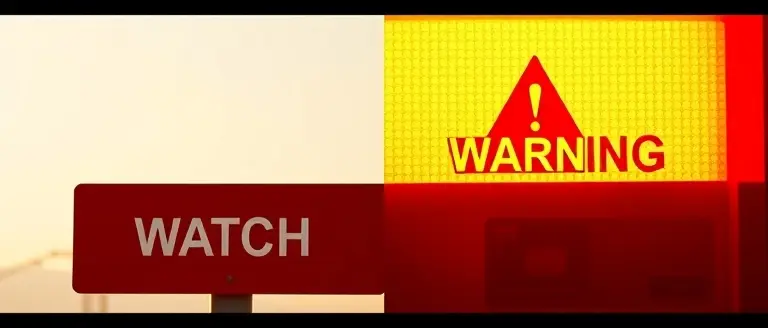
Understanding the distinction between a tornado watch and a tornado warning is vital for safety, particularly in volatile climates like the Front Range. During the June 8, 2026, weather event, widespread confusion surfaced when emergency sirens were inadvertently triggered across Denver, leading many residents to misinterpret a general atmospheric alert as an immediate threat. A tornado watch signifies that weather conditions in the area are favorable for the development of severe storms and tornadoes; it is essentially a “heads up” to remain vigilant and monitor local Denver weather updates. In contrast, a tornado warning is a critical emergency status indicating that a tornado has been sighted or indicated by radar. When a warning is issued, you must seek shelter immediately.
Why Siren Confusion Occurs
Public anxiety often spikes when notification systems malfunction or when authorities test systems during high-stress periods. While local municipalities strive for accuracy, technical glitches can lead to errant siren activations. If you hear sirens, the most reliable course of action is to verify the status through official channels, such as the National Weather Service (NWS) or trusted local news outlets like 9News. Never assume a siren implies a false alarm; always treat it as a potential tornado warning Denver event until you receive official confirmation otherwise.
Actionable Emergency Protocols
To reduce panic during future severe weather events, residents should adopt a clear, tiered response strategy:
- During a Tornado Watch: Stay weather-aware, keep your phone charged, and ensure you have multiple ways to receive alerts, such as a NOAA weather radio or mobile push notifications. Avoid long-distance travel, as storms can move rapidly across the metropolitan area.
- During a Tornado Warning: Move to a pre-identified basement or an interior room on the lowest floor of your home, away from windows. If you are caught on the road near Denver International Airport or in transit, do not attempt to outrun the storm; seek the sturdiest nearby structure.
- Verification: If you suspect an erroneous alert, check live social media updates from meteorologists or the official NWS Boulder office portal before assuming the threat has passed.
By distinguishing between these levels of alert, you can move from reactive anxiety to proactive safety, ensuring your household remains prepared regardless of the severity of the local tornado watch Denver conditions.
Emergency Siren Protocol: Why False Alarms Happen and How to Verify
When the skies turn ominous over the Front Range, hearing a siren triggers an immediate, visceral response. However, as seen during the June 8, 2026, tornado watch in Denver, municipal alerting systems are not infallible. “Inadvertent” siren soundings—often caused by technical glitches, software synchronization errors, or human error during routine maintenance—can spark unnecessary panic. It is critical to understand that sirens are designed to alert those outdoors; they are not intended to penetrate modern, sound-insulated buildings or provide specific situational awareness. When an alert sounds, residents should treat it as an immediate cue to seek reliable, secondary verification rather than assuming a tornado is physically on the ground at their specific location.
How to Verify Official Weather Alerts
If you hear sirens, do not rely on social media rumors or unverified posts. Instead, cross-reference the noise against professional meteorological data to determine if you are facing a tornado watch or a high-stakes tornado warning Denver residents must treat with urgency. Use these protocols to stay safe:
- NOAA Weather Radio: This is the most reliable tool available. It broadcasts directly from the National Weather Service and bypasses internet-dependent systems.
- Official NWS Apps and Websites: Always check the National Weather Service (weather.gov) for real-time polygons of active storm tracks.
- Trusted Local Meteorologists: Follow established local news stations (e.g., 9News or The Denver Gazette) on X or Threads, as they provide real-time expert analysis that clarifies the difference between a system malfunction and a genuine tornado denver event.
- City Emergency Channels: Monitor official municipal government social media accounts, which are often the first to clarify if a siren sounding was “errant” or if a true denver tornado warning is in effect.
By treating sirens as a “seek more information” signal rather than a confirmation of disaster, you can navigate complex weather events with greater calm and precision, ensuring you are prepared for both the denver weather volatility and the potential for technological hiccups in urban alerting infrastructure.
Emergency Preparedness for Denver’s Rapid-Onset Weather

Living in an urban environment like the Front Range necessitates a proactive approach to safety, especially when a tornado watch is issued for Denver. Rapid-onset weather can escalate quickly, turning a standard afternoon into a high-stakes event. To navigate these conditions effectively, residents should rely on multi-layered notification systems rather than depending solely on outdoor warning sirens, which can occasionally malfunction or be heard indistinctly indoors.
Essential Mobile-First Safety Strategies
To ensure you receive timely alerts, prioritize digital redundancy. Relying on a single source of information is a significant vulnerability during severe weather events in Denver.
- Enable Wireless Emergency Alerts (WEA): Check your smartphone settings to ensure that “Emergency Alerts” and “Government Alerts” are enabled. These push notifications bypass cellular network congestion during peak demand.
- Download Weather-Specific Apps: Utilize apps from reputable sources like the National Weather Service (NWS) or local 9News meteorologists. These platforms provide real-time updates that are often more specific than generic siren alerts.
- Diversify Alert Sources: Follow verified meteorological accounts on social media platforms like X or Threads. During the recent tornado warning Denver activity, these channels proved faster at confirming whether sirens were erroneous or signaling an actual tornado watch Denver event.
Creating Your Urban Safe Spot
Whether you are in a high-rise office or a single-family home, identifying a shelter area is vital. In the event of large hail—which reached up to 2.75 inches during the recent storm—and high-speed winds, seek an interior room on the lowest level of the building, away from windows and glass doors. If you are caught on the road, do not try to outrun the storm; instead, prioritize moving into a sturdy structure immediately. By combining these preparedness steps with a clear understanding of the difference between a “watch” and a “warning,” you can significantly mitigate the risks posed by Colorado’s volatile climate.
Building a Sanctuary in a Changing Climate
Navigating the complexities of local weather alerts is essential, but information alone won’t reinforce your roof against hail or secure your property from high-wind damage. While knowing the difference between a watch and a warning is the first step in safety, truly protecting your home from Denver’s unpredictable weather requires physical preparation; having the right technical plans is the difference between a fragile structure and a reinforced sanctuary.
This is where proactive home-fortification becomes your greatest asset. Whether you are looking to build robust storage solutions or reinforce existing structures against storm impacts, having access to professional, workshop-tested blueprints is the ultimate tool for home resilience. By taking control of your physical environment now, you move from a state of passive vulnerability to one of technical empowerment, ensuring your family and assets are protected long before the next siren sounds.
Ted’s Woodworking offers the perfect bridge between concern and construction, providing over 16,000 foolproof plans that allow you to take ownership of your home’s integrity. Don’t wait for the next severe storm to reveal the weak points in your property. Start your journey toward a stronger, safer home today with the resources designed for homeowners who value precision and durability.
 Build your home’s defense: Access over 16,000 professional blueprints to reinforce your property before the next severe weather event hits.Yes, I Want to Protect My Home Now!