
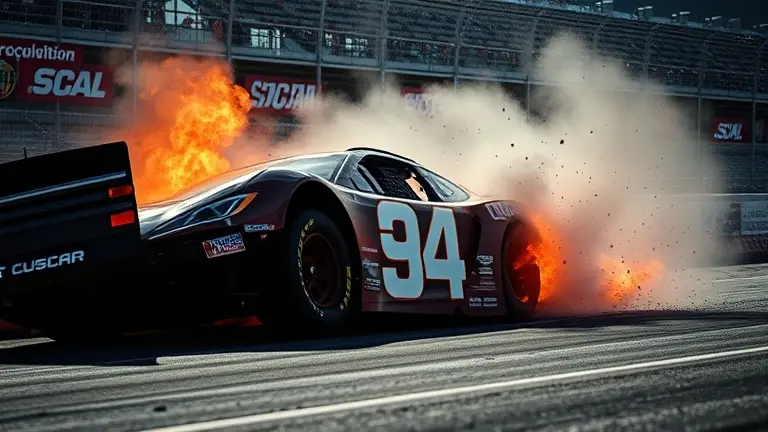
The NASCAR FireKeepers Casino 400 at Michigan International Speedway on June 7, 2026, will be remembered for a terrifying moment that brought the sport to a standstill. During a high-stakes restart, a violent, high-velocity collision involving Christopher Bell and Chase Elliott sent shockwaves through the grandstands and the garage alike. The impact was so severe that it resulted in a red flag, significant structural failure of the SAFER barrier, and raised immediate concerns about the physical toll on both drivers. For fans and analysts, it was a chilling reminder of the raw, untamed forces at play when 2026-spec Cup Series cars push the limits of speed and proximity.
While news outlets were quick to report on the drivers’ health status and the race delay, the true story lies in the physics of the crash. By examining the impact dynamics and the failure of the track’s safety infrastructure, we gain a deeper appreciation for the engineering marvels that keep drivers safe—and the moments when those systems are tested to their absolute breaking point. This article breaks down the technical reality of the accident, providing a clear-eyed look at the forces involved and why this incident stands out as a defining moment of the 2026 season.
The Michigan Incident: Breaking Down the Collision Between Christopher Bell and Chase Elliott
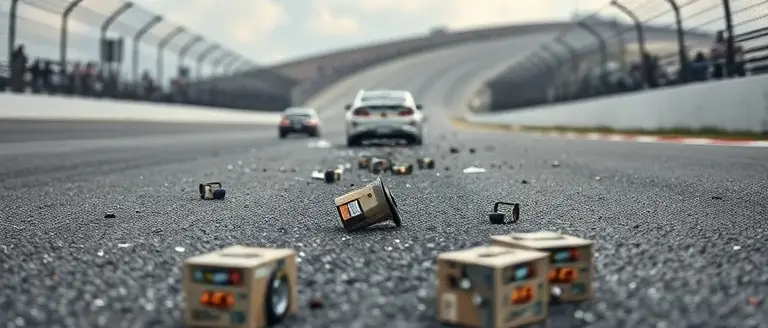
The FireKeepers Casino 400 at Michigan International Speedway took a dramatic turn on June 7, 2026, when a high-speed restart collision involving Christopher Bell and Chase Elliott forced an immediate red flag. As the field bunched up for the restart, the compressed nature of the pack created a high-stakes environment where proximity and momentum control were at a premium. As the green flag waved, the cars funneled into a tight formation, leading to a sequence where contact between the two vehicles resulted in a catastrophic loss of control for both drivers.
Sequence of the Impact
The technical breakdown of the incident reveals a rapid escalation of kinetic energy. The sequence unfolded as follows:
- The Initial Contact: As the leaders surged forward, contact occurred in the mid-pack, sending Bell’s vehicle into the side of Elliott’s car.
- Loss of Vector Control: The side-to-side collision disrupted the aerodynamic stability of both machines, causing them to rotate toward the outside wall.
- The SAFER Barrier Collision: Both vehicles struck the SAFER barrier at a shallow angle, which transformed the forward momentum into a violent lateral impact. The force was sufficient to cause significant structural damage to the barrier segments, prompting race officials to halt the event to conduct emergency safety inspections.
The intensity of the hit was immediately apparent to spectators and broadcast teams, as the cars sustained substantial body damage that rendered both vehicles non-competitive for the remainder of the afternoon. While both drivers were evaluated following the incident, the focus remains on the immense energy dissipation managed by the barrier systems. This wreck stands as one of the most severe impacts recorded during the 2026 season, highlighting the ongoing volatility of high-speed restarts at high-banked tracks like Michigan. NASCAR officials utilized the ensuing red flag to analyze the debris field and the integrity of the wall before green-flag racing could resume.
Technical Analysis: Impact Forces and Vehicle Telemetry
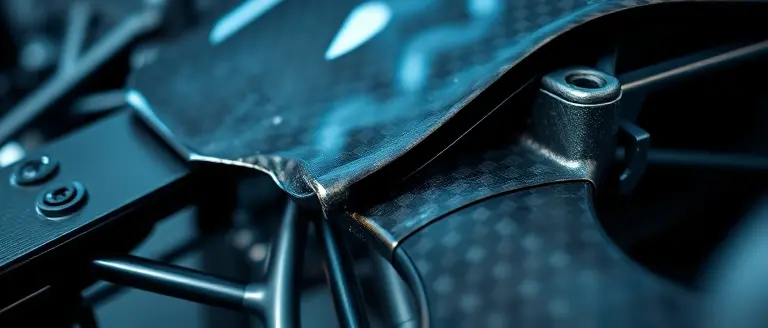
The high-impact collision involving Christopher Bell and Chase Elliott during the FireKeepers Casino 400 at Michigan International Speedway provides a critical case study in the kinetic energy dissipation of 2026-spec NASCAR Cup Series vehicles. When the contact occurred during the restart, the cars were operating at peak velocity, leading to a lateral-to-frontal engagement with the SAFER barrier. Physics-based telemetry from such events suggests that the force of the impact was distributed across the chassis’ front clip, which is engineered with specific “crumple zones” designed to absorb energy before it reaches the driver’s safety cell.
Performance of Safety Systems
The interaction between the vehicle and the wall highlights several key engineering performance metrics:
- Energy Absorption: The SAFER (Steel and Foam Energy Reduction) barrier functioned as intended, deforming significantly to increase the duration of the impact pulse, thereby reducing the peak G-forces experienced by Christopher Bell.
- Chassis Integrity: Despite the severity of the wreck, the Next Gen chassis maintained the structural integrity of the cockpit. Evidence suggests the roll cage and the impact-absorbing foam inserts in the doors performed within the design parameters to protect the driver.
- Telemetry Data: Digital readouts from the Electronic Control Unit (ECU) likely captured high-frequency decel data that NASCAR safety engineers use to refine future barrier placements and vehicle nose-cone resilience.
While the damage to both vehicles was catastrophic, the lack of immediate reports regarding catastrophic injury serves as a testament to the ongoing evolution of NASCAR safety protocols. By examining the vector of the impact against the concrete backing of the Michigan barrier, engineers can better calculate the threshold of current safety devices. The data gathered from this incident will likely influence future adjustments to the rear-clip and front-clip stiffness of the cars, ensuring that high-speed “hard hits” continue to result in survivable outcomes for competitors.
Driver Health and Team Statements
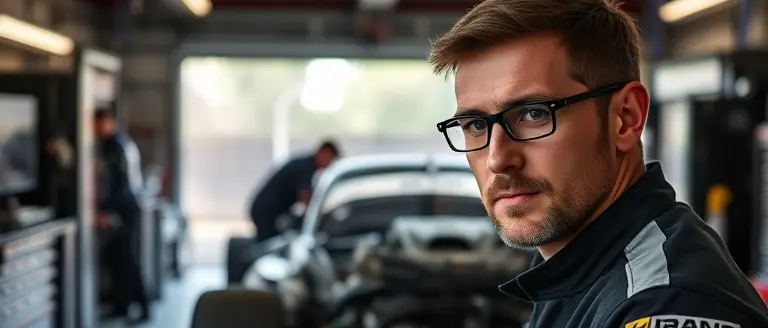
Following the high-impact collision at the Michigan International Speedway during the FireKeepers Casino 400, both Christopher Bell and Chase Elliott underwent rigorous medical evaluations. In accordance with standard NASCAR safety protocols for high-G incidents, both drivers were immediately transported to the infield care center for comprehensive neurological and physical assessments. Given the force required to damage the SAFER barrier, officials prioritized these screenings to rule out concussions or internal trauma, ensuring that no driver returned to the track without meeting the strict recovery benchmarks established by the sanctioning body.
Official Medical Protocols and Team Updates
The recovery status for both drivers remains a priority for their respective organizations. Joe Gibbs Racing released a statement regarding Christopher Bell, confirming that while the driver was visibly shaken by the severity of the wreck, initial exams yielded no life-threatening injuries. Team representatives emphasized that Bell is currently under observation to monitor for delayed symptoms common in high-impact deceleration events. Similarly, the camp representing Chase Elliott reported that their driver is undergoing additional precautionary testing to ensure his readiness for upcoming Cup Series competition.
Key takeaways regarding the drivers’ post-crash status include:
- Mandatory Evaluation: Both drivers were cleared by the onsite medical team following the red flag incident, though both were ruled out for the remainder of the Michigan race.
- Ongoing Monitoring: Teams are utilizing specialized athletic trainers to perform daily neuro-cognitive checks to assess reflexes and cognitive load.
- Proactive Clearance: NASCAR officials remain in contact with team doctors to review sensor data from the vehicles, which informs the decision-making process for future race participation.
While the mechanical damage to their cars was total, the resilience of the Next-Gen chassis safety features proved effective in protecting both Christopher Bell and Chase Elliott. As the series moves toward the next event, fans and analysts await official clearance updates as both drivers transition into their standard recovery and simulation-prep regimens.
Implications for NASCAR Safety Protocols Moving Forward
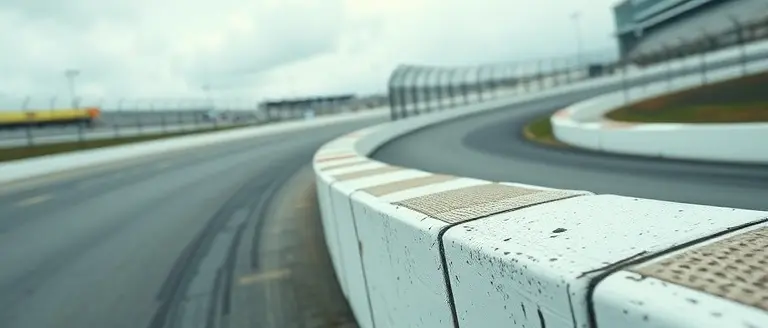
The high-velocity collision involving Christopher Bell at Michigan International Speedway serves as a critical data point for the ongoing evolution of the NASCAR Cup Series safety ecosystem. When a Next Gen chassis strikes a SAFER barrier with the force witnessed during the FireKeepers Casino 400, it triggers an immediate forensic review by the sanctioning body. Engineers are currently scrutinizing the energy dissipation rates of the barrier system versus the structural integrity of the vehicle’s front-clip, which appeared to absorb a massive proportion of the kinetic energy upon impact. This event will likely accelerate research into front-end crush zone reinforcements, as the industry seeks to balance aerodynamic performance with the survival requirements of high-speed oval racing.
Future Adjustments and Safety Enhancements
The severity of the wreck has prompted industry-wide discussions regarding both on-track procedures and structural design. Several key areas are now under evaluation by NASCAR officials:
- Restart Protocols: Reviewing the density and spacing of the field during restarts to prevent the “accordion effect” that led to the incident.
- Barrier Infrastructure: Assessing whether the current SAFER barrier installation at Michigan requires enhanced energy-absorbing foam backing to accommodate the weight and speed thresholds of current 2026-spec cars.
- Chassis Rigidity: Investigating potential updates to the front-end frame architecture to ensure that even in extreme impacts, the driver cockpit remains a rigid, protected cell while the vehicle exterior sheds energy effectively.
While the primary focus remains the health status of Christopher Bell and Chase Elliott, the technical analysis of this crash will undoubtedly influence future rulebooks. Evidence suggests that while the current safety systems performed their intended task by protecting the drivers during a massive deceleration event, there remains a narrow margin for error at modern speeds. By cross-referencing this incident with historical data from the Michigan circuit, NASCAR can refine its testing simulations, ensuring that the next generation of safety protocols accounts for the unique kinetic signatures identified during this violent wreck.
Precision Engineering Beyond the Racetrack
The aftermath of the Christopher Bell collision is a testament to the brutal realities of mechanical force and the necessity of structural integrity. While track safety engineers race to reinforce the SAFER barriers using precise, high-grade specifications, it serves as a powerful reminder that stability and safety are not accidents; they are the result of meticulous planning, expert design, and a commitment to doing the job right. Whether on the track or in your own workshop, true mastery comes from an unwavering attention to detail and a refusal to compromise on technical accuracy.
Just as top-tier engineers rely on blueprints to reconstruct critical safety infrastructure under extreme pressure, you can bring that same level of professional craftsmanship to your personal projects. Ted’s Woodworking offers a comprehensive library of 16,000 professional, error-free plans designed for those who appreciate the intersection of design and durability. By utilizing these meticulously developed resources, you align your own creative process with the standards of precision that define high-stakes engineering, ensuring that every project you undertake is built to last.
For fans of mechanical precision and structural design, discover how to perfect your own workshop projects with the same technical accuracy seen in top-tier engineering. If you value the integrity of a well-built structure and the satisfaction of absolute precision, now is the time to elevate your craftsmanship to a professional grade.
 For fans of mechanical precision and structural design, discover how to perfect your own workshop projects with the same technical accuracy seen in top-tier engineering.Yes, I Want to Build with Precision Today!