
When the Los Angeles Dodgers erupted for nine runs in the first inning on June 6, 2026, it wasn’t just a scoreline—it was a statement. While casual fans were busy checking the dodgers score to see if the game had turned into a laugher, serious analysts were witnessing a masterclass in offensive efficiency and tactical precision. This latest installment of the Freeway Series has highlighted a growing chasm between the two LA clubs, with the Dodgers appearing to operate in a different stratosphere of professional execution.
But what truly separates a championship-caliber team from a rebuilding roster in such a high-stakes rivalry? It’s not just about the final dodger score; it is about the pitch sequencing from arms like Yoshinobu Yamamoto and the disciplined plate approach that turns one good inning into a complete dismantling of the opponent. Understanding these mechanics requires more than a passing glance at the box score—it demands the same level of focus and analytical clarity that the players bring to the mound every single night.
The June 6th Explosion: Anatomy of a Historic Freeway Series Blowout
The June 6, 2026, matchup between the Los Angeles Dodgers and the Los Angeles Angels will long be remembered as the pinnacle of current-season dominance. When the dodgers score 9 runs in the opening frame, it ceases to be a typical game and becomes a historical outlier. This historic explosion served as a definitive statement in the Freeway Series, illustrating a massive talent gap that has defined the 2026 campaign. The efficiency of the Dodgers’ lineup during this first inning effectively demoralized the Angels’ pitching staff, forcing them into a defensive scramble from which they never recovered.
Breakdown of the Offensive Surge
The tactical precision displayed by the Dodgers during that fateful inning was highlighted by several key factors:
- Aggressive Plate Discipline: The team prioritized early-count fastballs, refusing to let the Angels’ starters find a rhythm.
- Pitcher Fatigue: By forcing high pitch counts early, the Dodgers successfully taxed the bullpen before the second inning even began.
- Psychological Pressure: The relentless string of hits left the opposing defense scrambling, leading to uncharacteristic fielding errors that fueled the run tally.
This performance was not merely a case of “getting lucky”; it was a masterclass in hitting consistency. When fans look up the dodger score from this series, they see more than just a win—they see a lopsided narrative. With a staggering 31-3 outscoring margin across recent meetings, the Dodgers have utilized these blowouts to maintain psychological control over their crosstown rivals. While betting markets often suggest that such massive point spreads are prone to regression, the 2026 dodgers vs angels data suggests that the Dodgers’ tactical approach to hitting remains superior, rendering the Angels’ current pitching rotation largely ineffective against their offensive firepower.
The Yamamoto Effect: Analyzing Pitching Dominance
The current Los Angeles Dodgers rotation has reached a new echelon of efficiency, anchored primarily by the surgical precision of Yoshinobu Yamamoto. While the Dodgers vs Angels series is often remembered for explosive offensive displays—such as the viral 9-run first inning on June 6—it is Yamamoto’s ability to neutralize opposing lineups that has provided the necessary stability for the team’s sustained dominance. Analysts tracking the dodger score trends note that Yamamoto’s presence allows the bullpen to rest, effectively shortening the game for opponents who struggle to adjust to his unique pitch sequencing.
Mechanics of a Masterclass
Yamamoto’s success in the 2026 season stems from an elite combination of deception and command. By leveraging a high-spin-rate fastball paired with a devastating splitter, he keeps hitters off-balance, often inducing weak contact early in the count. During the recent Freeway Series, his ability to paint the edges of the zone neutralized the Angels’ core hitters, effectively preventing any potential rally before it began. Key components of his dominance include:
- Pitch Sequencing: Yamamoto consistently works backward, using off-speed pitches to set up his high-velocity heater, a departure from traditional “fastball-first” archetypes.
- Tempo Control: By maintaining a rapid, consistent pace, he disrupts the timing of opposing batters, forcing them into hurried, suboptimal swings.
- High-Leverage Resilience: Even when the dodgers score early, Yamamoto maintains his focus, preventing “let-down” innings that often plague pitchers during blowout scenarios.
Evidence suggests that Yamamoto has become the indispensable cornerstone of the Dodgers’ rotation. His ability to consistently provide deep-inning performances provides a structural advantage that the current Angels roster simply cannot match. As the season progresses, his evolution as a tactician will likely remain the deciding factor in maintaining the lopsided historical trend seen in this year’s rivalry matchups. For fans and bettors, tracking his “strikeout-to-walk” ratio remains the most reliable indicator of the Dodgers’ upcoming winning probability.
Why Are the Dodgers So Dominant? A 2026 Season Trajectory
The 2026 Freeway Series has highlighted a widening gap in organizational philosophy between the Los Angeles Dodgers and their cross-town rivals. While fans frequently search for the latest dodgers vs angels updates or check the dodger score to confirm the latest blowout, the underlying data points to a fundamental difference in roster construction. The Dodgers’ ability to manufacture runs—evidenced by their viral 9-run first inning on June 6—is not a fluke but the result of a disciplined offensive approach that prioritizes high on-base percentages and elite pitch recognition. By forcing opposing pitchers into high-leverage counts early, the Dodgers successfully tax bullpen depth, a strategy that has repeatedly dismantled the Angels’ pitching staff throughout the current season.
Strategic Divergence and Roster Depth
The lopsided nature of recent matchups, where the Dodgers have outscored the Angels by a staggering 31-3 margin in selected segments, reveals critical tactical disparities:
- Pitching Versatility: Anchored by the dominance of Yoshinobu Yamamoto, the Dodgers utilize a sophisticated pitch-sequencing model that keeps hitters off-balance, effectively neutralizing the Angels’ attempts at offensive rhythm.
- Offensive Discipline: The Dodgers’ lineup displays a collective patience that prevents them from chasing pitches outside the zone, forcing opponents to work in the heart of the plate.
- Structural Resilience: While the Angels have struggled with injury-depleted depth, the Dodgers have utilized their minor-league pipeline and high-level free agency acquisitions to maintain a consistent output regardless of the starting lineup.
Evidence suggests that the Dodgers’ front office has successfully built a “playoff-ready” infrastructure that excels in high-pressure environments. Conversely, the Angels continue to search for consistency in their rotation. As the season progresses, the trend of one-sided results reflects a Dodgers roster that is optimized for sustained excellence, while the Angels remain in a period of tactical transition. For bettors and analysts tracking the dodgers score, these structural advantages suggest that the current hierarchy in the Freeway Series is unlikely to shift without significant adjustments to the Angels’ defensive strategy.
Rivalry Re-examined: The Cultural Weight of the Freeway Series
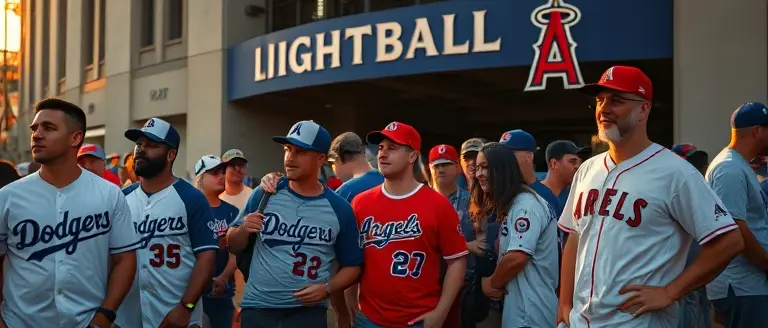
The “Freeway Series” has long served as the heartbeat of Southern California baseball, pitting the Los Angeles Dodgers against the Angels in a battle for regional supremacy. While the rivalry is fueled by geographic proximity, the 2026 season has brought a jarring shift in the narrative. Recent performances, highlighted by a staggering 31-3 outscoring margin over recent matchups, have forced fans and analysts alike to question the current state of this rivalry. When the Dodgers score at such a prolific rate, as seen in their historic 9-run first inning on June 6, the conversation moves away from traditional “cross-town pride” and toward a debate about organizational disparity.
The Impact of Lopsided Results
The lopsided nature of these contests has altered the local cultural landscape. For Dodgers fans, the dominance is a source of pride, yet it creates a unique challenge for the long-term health of the rivalry. Persistent blowouts often lead to:
- Diminished “Big Game” Atmosphere: When a dodger score feels like a foregone conclusion, the stakes in the stands naturally recede.
- Betting Market Volatility: Bettors are increasingly wary of backing the Angels, causing lopsided lines that favor the Dodgers even in away games.
- Fan Sentiment Shifts: Casual observers in Southern California are beginning to view the series as a showcase for Dodger talent rather than a competitive grudge match.
Evidence suggests that the widening performance gap between the two franchises is driving a wedge into the traditional “Battle of the Freeways.” While the Dodgers continue to lean on elite depth and pitching mastery, the Angels are left searching for a tactical identity that can bridge the talent divide. Until the Angels can consistently mitigate the dodgers vs angels offensive discrepancies, the “Freeway Series” risk evolving from a marquee regional event into a one-sided demonstration of power. The future of this rivalry depends on whether the front office in Anaheim can mirror the developmental success that currently defines the Dodgers’ current dynasty.
Mastering the Analytics of the Diamond
The 2026 Freeway Series has been a showcase of the Dodgers’ tactical superiority, proving that their dominance is rooted in elite preparation and mental fortitude. From Yamamoto’s surgical pitch sequencing to the relentless pressure applied by the Dodgers’ lineup, the gap we are witnessing is the result of thousands of hours of high-level cognitive engagement. As the season progresses, those looking to gain an edge in betting or fantasy analysis must move beyond basic stats and begin to understand the deeper, underlying mechanics of these blowout performances.
Just as elite pitchers rely on extreme mental precision to execute complex sequences under pressure, maintaining your own cognitive focus is essential when dissecting these intricate game patterns. If you find your focus drifting when crunching complex sports data, you are missing the edge you need to stay ahead. The Brain Song is designed to sharpen your mental acuity, acting as the ultimate tool for sports analysts who need to process game data with total clarity and sustain peak engagement during long analytical sessions.
By optimizing your cognitive output, you can transform the way you consume the 2026 season, turning complex data points into actionable insights. Don’t let mental fatigue cloud your ability to predict the next trend in this storied rivalry. It is time to equip yourself with the professional-grade clarity required to master the game behind the game.
 Elevate your game-day focus and master the data behind the Freeway Series with The Brain Song.Yes, I Want to Sharpen My Focus Now!