

When Sean Reifel traded his badge as a Bethlehem, Pennsylvania police officer for a spot on Love Island USA, he likely anticipated a career pivot into the limelight. Instead, his transition from public servant to reality star ignited a firestorm of controversy. Bethlehem Mayor J. William Reynolds didn’t mince words, publicly condemning Reifel for deserting a struggling, short-staffed department after taxpayers invested thousands in his training. As the public debates the ethics of his departure, new scrutiny regarding his personal life and a sealed custody battle has transformed his Love Island experience from a standard television arc into a cautionary tale about the volatility of modern fame.
Beyond the gossip, this controversy forces a necessary conversation about the fragility of public trust and the blurred lines between personal ambition and professional accountability. As viewers dissect every move Reifel makes—from his self-proclaimed ‘single-dad’ narrative to his polarized interactions with fellow contestants—the tension between his former role as a protector and his current role as a reality television personality remains palpable. It is a striking example of what happens when a private individual steps into the high-stakes, hyper-scrutinized ecosystem of reality dating, where every behavioral cue is treated as a character indictment.
The Sean Reifel Controversy: When Reality TV Intersects with Public Service

The transition of Sean Reifel from a municipal law enforcement role in Bethlehem, Pennsylvania, to a headline-grabbing Love Island USA contestant has sparked a heated national debate regarding the ethics of public service commitments. Sean Reifel, a former police officer, resigned abruptly to join the cast of Love Island Season 8, a move that drew swift and severe public condemnation from local leadership. Bethlehem Mayor J. William Reynolds publicly criticized the decision, highlighting that the city had invested thousands of taxpayer dollars into Sean Reifel’s rigorous police academy training. This departure during a period of staffing shortages within the department turned what would typically be a private employment matter into a flashpoint for discussions regarding professional responsibility versus individual celebrity aspirations.
Navigating Public Scrutiny and Private Realities
The controversy surrounding Sean love island contestant participation expanded beyond career ethics when his personal life became a focal point of the show’s narrative. The discourse intensified due to several complex factors:
- Taxpayer Burden: Mayor Reynolds emphasized the financial loss to Bethlehem, framing the resignation as a failure of duty at a time when the community required essential public safety resources.
- The “Single Dad” Narrative: Sean Reifel faced skepticism from fellow contestants and viewers alike regarding his portrayal as a single father, a depiction that some labeled a “red flag” in the high-stakes environment of reality television.
- Legal Complications: Reports have since emerged concerning sealed custody filings, which have added a layer of legal gravity to the celebrity gossip. While family members have stepped forward to defend his personal standing, the intersection of these private court matters with his public TV appearance has left many questioning the boundaries of transparency.
This case serves as a quintessential example of how Love Island contestants, particularly those transitioning from high-trust public roles, face a unique level of scrutiny that blurs the lines between professional accountability and entertainment-driven drama. The situation remains a polarizing topic on social media, reflecting a broader cultural tension regarding the “reality TV pipeline” for those formerly entrusted with public office.
The Price of Fame: Taxpayer Dollars and Professional Accountability

The transition of Sean Reifel from a Bethlehem police officer to a Love Island contestant has sparked a contentious debate regarding the intersection of personal ambition and public duty. When a public servant transitions from the force to a high-profile platform like Love Island USA Season 8, it raises fundamental questions about the return on investment for taxpayer-funded training. Police academies represent a significant financial commitment from municipalities, and when an officer leaves shortly after completing such programs, it creates a quantifiable void in local public safety infrastructure.
Ethical Implications of Public Service Resignations
The criticism leveled by Bethlehem Mayor J. William Reynolds highlights a growing frustration among municipal leaders who view such departures as a breach of professional stewardship. The friction surrounding Sean Reifel stems from the following ethical and logistical concerns:
- Financial Sunk Costs: The training of a police officer involves extensive resources, including state-funded academy instruction and department-specific mentorship that cannot be easily recouped.
- Operational Strain: Resignations in already short-staffed departments place an immediate, disproportionate burden on remaining personnel, potentially impacting response times and community safety.
- The “Reality TV” Pivot: While personal career changes are legal, the public nature of a reality show appearance often amplifies the perceived lack of professional commitment, leading to the “villain” narrative currently surrounding Sean Love Island.
While proponents of individual liberty argue that Sean Reifel is entitled to pursue opportunities outside of law enforcement, the optics of trading a badge for a chance at reality TV fame have polarized the US audience. This case serves as a broader case study for the municipal labor crisis, forcing city governments to evaluate whether current contractual safeguards—or “repayment clauses”—are sufficient to protect taxpayers when civil servants prioritize entertainment careers over their sworn duties. The situation remains a flashpoint for discussing the moral obligations that should accompany taxpayer-funded professional development.
Reality TV Narratives vs. Private Realities
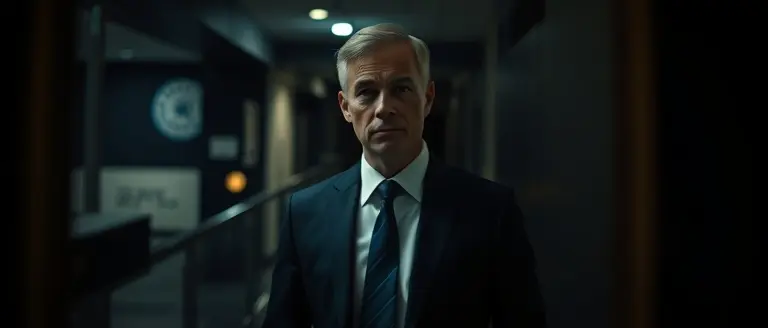
The appearance of Sean Reifel on Love Island season 8 highlights a stark disconnect between the polished, entertainment-driven world of reality television and the complex, often messy, legal realities of private life. When a fellow contestant labeled his status as a “single dad” a “red flag,” the remark triggered an immediate and polarized reaction across social media platforms. While Love Island viewers often engage with contestants through the lens of a curated “villain” or “hero” edit, the discourse surrounding Reifel shifted rapidly from entertainment speculation to serious ethical debate. Digital audiences frequently conflate a contestant’s performative persona with their actual character, leading to intense scrutiny of personal legal matters that would typically remain outside the public eye.
The Intersection of Public Scrutiny and Private Legalities
The narrative surrounding Sean Reifel—a former police officer from Bethlehem, Pennsylvania—became particularly volatile when reports of sealed custody battles surfaced. This development forced a collision between the lighthearted nature of dating competitions and the heavy implications of family law. The defense mounted by his family members serves as a counter-narrative to the public criticism, emphasizing the following points:
- Humanization vs. Demonization: Family supporters argue that the “single-dad” label on Love Island is being weaponized unfairly to overshadow his attempts at personal growth.
- Media Misinterpretation: There is a growing concern that reality show editors select snippets of confessionals to maximize drama, disregarding how such edits influence public perception of sensitive legal situations.
- The Cost of Visibility: The transition from a local public servant to a nationally televised figure has exposed Reifel to a level of scrutiny that often ignores the nuance of complex, ongoing legal proceedings.
Ultimately, the Sean Love Island discourse serves as a case study in how modern audiences consume reality content. By scrutinizing a contestant’s past professional departure and personal legal history, viewers are effectively dragging real-world consequences into a space designed for escapism. This tension highlights the risks inherent in trading a career in public service for the volatile, high-stakes exposure of reality fame, where the line between a character arc and a private life becomes increasingly blurred.
The Future of the ‘Public Figure’ in the Social Media Age

The transformation of Sean Reifel from a Bethlehem police officer to a Love Island contestant highlights an emerging tension between the traditional expectations of public service and the allure of modern influencer culture. As reality television continues to monetize the private lives of ordinary citizens, the incident serves as a critical case study for municipal Human Resources departments. The scrutiny faced by sean reifel love island contestant demonstrates that “private” career transitions are no longer insulated from public discourse. When a public servant trades a badge for a spotlight, the potential for reputational spillover—ranging from the logistical strain on the police force to the intense dissection of personal custody matters—creates a complex ethical landscape that departments are currently ill-equipped to manage.
The Permanence of the Digital Footprint
The reality of today’s media environment is that an individual’s professional and personal lives have effectively merged. Future HR policies will likely need to evolve to address these “public figure” dilemmas by incorporating stricter social media clauses or morality protocols. The sean love island narrative illustrates that once an individual steps into the national entertainment space, they forfeit the traditional privacy protections once afforded to civil servants.
Key implications for the future of public service careers include:
- Digital Due Diligence: The permanent nature of online content means that personal controversies, such as those surfacing during sean love island season 8, can permanently disqualify individuals from future public roles.
- Reputational Liability: Municipalities must now grapple with how to manage the “villain arc” of a former employee, as public perception often holds the agency accountable for the behavior of its alumni.
- The Erosion of Privacy: Public servants, especially those in high-trust roles like law enforcement, are increasingly expected to uphold a persona that survives the “national entertainment discourse” long after they leave the force.
As Sean Reifel navigates this transition, he underscores a new paradigm: the “career pivot” is no longer just a personal choice, but a public spectacle that requires a sophisticated understanding of brand management and long-term societal accountability.
Decoding the Psychology Behind the Reality TV Chaos
The Sean Reifel saga serves as a lens through which we can examine the broader anxieties surrounding modern dating and commitment. While the public debates his character in the context of his career choices, the deeper question remains: what actually drives a man to commit—or pull away—when the pressure is on? The drama we witness on our screens is rarely just about vanity; it is a manifestation of the complex psychological triggers that govern human attraction and relationship longevity.
Understanding these dynamics is key to moving beyond surface-level gossip and gaining true insight into why certain behaviors resonate so deeply with our own relationship struggles. His Secret Obsession offers a science-backed framework for decoding these complexities, focusing on the ‘Hero Instinct’ that dictates how men perceive value and commitment in a relationship. By analyzing the high-stakes environment of Love Island through this psychological lens, you can gain the tools to identify the red flags that contestants often miss and foster the authentic connection you deserve.
Whether you are intrigued by the spectacle of reality television or simply want to master the art of emotional connection, this guide provides the clarity needed to navigate the modern dating landscape with confidence and intentionality.
 Explore the psychological triggers of attraction and commitment to understand why the dynamics on Love Island captivate us—and how you can apply these principles to your own relationship.Transform My Relationship Today