
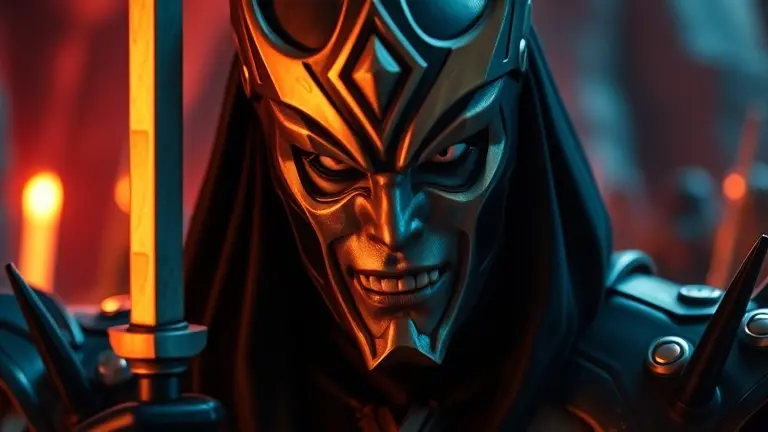
When the dust settled on the opening weekend of Masters of the Universe, the industry was met with a jarring reality check. Despite a massive marketing push positioning the film as the premier cinematic event of summer 2026, the box office numbers—sitting at a meager $4.4 million in previews—paint a far more complicated picture. At the heart of this storm is Jared Leto’s divisive portrayal of Skeletor, a performance that has ignited a firestorm of debate across TikTok and Reddit. Is this a misunderstood masterclass in avant-garde villainy, or a miscalculation that underscores the growing disconnect between studio ‘prestige’ casting and the gritty, nostalgic expectations of the fanbase?
As audiences navigate a June landscape dominated by the relentless hype of the 2026 World Cup, the struggle for Masters of the Universe serves as a fascinating case study in modern entertainment. While fans engage in heated discourse over production choices and the film’s narrative weight, it is clear that the project is facing a ‘pop-culture burnout’ phenomenon. Decoding why this spectacle failed to resonate requires more than just a surface-level critique; it requires the mental clarity to peer through the digital noise and dissect the underlying structural flaws of today’s blockbuster machine.
The 2026 Masters of the Universe Reckoning: A Box Office Post-Mortem
The theatrical debut of Masters of the Universe has proven to be a sobering moment for Hollywood’s current reliance on high-concept nostalgia. With a lackluster $4.4 million in preview earnings, the film has struggled to capture the zeitgeist, largely due to a competitive June 2026 entertainment landscape. The primary culprit for this commercial sluggishness is the massive cultural gravitational pull of the 2026 World Cup. As global viewership records were shattered by international tournament matches, the domestic box office for fantasy epics faced an unprecedented challenge. This “stadium versus screen” dilemma left audiences divided, with many theater-goers opting for the live energy of sports over the complex, and at times polarizing, vision of director Travis Knight.
The Jared Leto Factor and Social Media Sentiment
At the center of the discourse is Jared Leto, whose portrayal of the iconic villain Skeletor has become the focal point of intense social media scrutiny. On platforms like TikTok and Reddit’s r/RingerVerse, the reaction has split into two distinct camps:
- The Skeptical Purists: A segment of the fanbase that remains unconvinced by Leto’s transformative acting choices, viewing the performance as an outlier that disconnects from the source material’s 80s origins.
- The Ironic Observers: A growing demographic on TikTok engaging with the film through an “ironic appreciation” lens, treating the casting as a piece of performance art rather than a traditional blockbuster villain turn.
Evidence suggests that this disconnect between the film’s “prestige” marketing and the actual audience sentiment has stifled word-of-mouth growth. While Screen Rant noted that Leto finally found a role that fits his distinct style, the box office reality highlights a critical misalignment between niche fan expectations and the broad-market appeal required for a high-budget fantasy franchise to succeed. As the industry analyzes these early figures, the “Masters of the Universe” rollout serves as a cautionary tale for studios attempting to revive dormant intellectual properties against the backdrop of massive, real-world cultural events.
Prestige Casting in B-Movie Revivals: The Jared Leto Experiment

The decision to cast an Academy Award-winning actor like Jared Leto as the iconic villain Skeletor in the 2026 Masters of the Universe reboot highlights a growing industry trend: the attempt to inject “prestige” gravitas into cult-classic, camp-adjacent fantasy properties. By placing a method-focused actor into a high-fantasy, toy-driven narrative, the studio clearly aimed to bridge the gap between nostalgic fans and a modern, prestige-hungry audience. However, the resulting dissonance suggests that such strategies may be fundamentally misguided. Rather than elevating the material, Leto’s performance—often described in early discourse as starkly serious—clashes with the inherently playful, B-movie roots of the source material.
The Dissonance of Serious Camp
The attempt to treat the Masters of the Universe franchise with blockbuster seriousness has created a disconnect that appears to have stunted its initial box office potential. Evidence suggests that audiences are struggling to reconcile a “prestige” performance with a property that thrives on 80s nostalgia and inherent camp. Key factors contributing to this friction include:
- Genre Misalignment: Using a high-stakes, dramatic acting approach in a property defined by Saturday-morning cartoon logic can alienate long-term fans who prefer the source material’s lighthearted, pulp-fantasy roots.
- The Viral Trap: While Leto’s casting generated significant social media buzz, this “viral marketing” did not translate into sustained box office momentum. The novelty of his presence, while initially high-interest, appears to have failed to offer the sustained substance required for long-term theatrical viability.
- Competing Cultural Gravity: The film’s release window, pinned against the massive global attention of the 2026 World Cup, further exacerbated the film’s struggle to carve out a serious identity. When audiences are already prioritizing large-scale live events, a film struggling to find its tonal balance often loses the battle for consumer attention.
Ultimately, this experiment serves as a cautionary tale regarding the limitations of star power. While Jared Leto brings undeniable name recognition, his casting indicates a studio priority—blockbuster branding over thematic cohesion—that left the film feeling caught between two worlds, unable to satisfy the loyalist fan base or the general audience seeking a coherent cinematic experience.
Ironic Appreciation: Why the Internet Is Obsessed with Skeletor
The phenomenon surrounding the Masters of the Universe theatrical release has created a distinct cultural paradox: while the film struggles with box office returns, it thrives as a digital spectacle. Much of this friction centers on Jared Leto and his transformative portrayal of Skeletor. Rather than achieving the gravitas typically associated with “prestige” casting, Leto’s performance has been co-opted by TikTok and Reddit communities, shifting the narrative from a traditional cinematic critique to an exercise in “ironic appreciation.”
The TikTok Memeification Cycle
Social media platforms have turned the film into a viral landscape where the quality of the acting is secondary to the “meme-ability” of the content. This shift highlights several key drivers of modern engagement:
- Hyper-Niche Commentary: Creators on platforms like TikTok are editing Leto’s delivery into rapid-fire reaction clips, effectively detaching his performance from the film’s narrative context.
- The “So-Bad-It’s-Good” Factor: The disconnect between the film’s self-serious marketing and the inherent campiness of the source material invites audience mockery, which fuels sustained social media discourse.
- Community Bonding: Reddit threads, particularly within subreddits like r/OnCinemaAtTheCinema, treat the film’s lackluster performance as a point of shared identity, turning low box office numbers into a badge of honor for the “in-crowd.”
This digital obsession represents a departure from traditional box office metrics. While studios rely on linear theater attendance, the “ironic consumption” cycle generates high-engagement data that suggests widespread interest, even if that interest is fundamentally divorced from sincere appreciation. Ultimately, the film serves as a case study in how modern blockbusters are no longer just evaluated on merit, but on their ability to become content for a broader, irony-poisoned internet culture.
The World Cup Effect: When Pop Culture Collides with Global Sport
The June 2026 theatrical landscape proved to be a formidable adversary for Masters of the Universe. While the film’s $4.4 million preview performance was met with disappointment, industry analysts suggest that the project faced an uphill battle against the sheer gravitational pull of the 2026 World Cup. In an attention economy where global sports events command unprecedented real-time engagement, major cinematic releases often find their target demographics diverted by the tournament’s broadcast schedule, social media buzz, and public viewing events. Evidence suggests that the overlap between fans of high-octane franchise spectacles and international sports enthusiasts is significant, leading to a “cannibalization effect” that likely suppressed opening weekend attendance.
Assessing the Collision of Entertainment Markets
Data from the opening window indicates that the film struggled to penetrate the cultural zeitgeist precisely because the entertainment landscape was saturated with sports-related content. Consumer behavior analysis reveals that during peak tournament days, leisure time and discretionary spending pivot toward live events rather than secondary entertainment options. This presents a critical challenge for studios betting on prestige casting—like Jared Leto in the role of Skeletor—to carry an “event” film. The release window potentially doomed the production to obscurity regardless of its artistic merits:
- Attention Scarcity: Global sporting events create a localized “media blackout” for non-sports content, where social media algorithms prioritize match-day discourse over film reviews.
- Competing Spend: Household entertainment budgets are finite; when families and young adults prioritize World Cup tickets or hospitality, the traditional Friday night cinema outing becomes an expendable luxury.
- Cultural Dominance: The “event” status of the World Cup leaves little room for a mid-budget fantasy revival to dominate the narrative, preventing the film from generating the organic word-of-mouth momentum required for a successful blockbuster launch.
Ultimately, the failure to secure a more favorable release date suggests a disconnect between the film’s marketing strategy and the realities of modern media consumption. Whether the lukewarm reception is a failure of creative execution or a casualty of a crowded calendar remains a point of contention for both critics and casual observers on platforms like Reddit. However, it is increasingly clear that even high-profile casting cannot shield a franchise film from the sheer, overwhelming momentum of a global cultural phenomenon.
Sharpening Your Analytical Edge
Ultimately, the Masters of the Universe situation reveals a fundamental tension in modern media: the gap between high-concept artistic ambition and the actual, raw appetite of the viewing public. Whether you view Jared Leto’s Skeletor as a misunderstood triumph or a cautionary tale, the exhaustion that follows hours of tracking box office data, reading contradictory reviews, and engaging in online debates is very real. This mental fatigue can cloud your critical perspective, making it difficult to discern the true nuance behind these complex production cycles.
While deep-diving into the complex performance of Jared Leto and the noise of the 2026 box office wars can be mentally taxing, keeping your focus sharp is essential for any true film analyst. This is exactly where The Brain Song becomes your most vital asset. By helping to clear away the ‘brain fog’ that often accompanies the exhaustive consumption of today’s saturated media, this routine provides the cognitive sharpness needed to maintain a high-level critical perspective.
Don’t let the chaotic media cycle dull your analytical instincts. If you are ready to cut through the noise and approach the film industry with renewed, laser-like focus, it is time to optimize your cognitive performance.  Reclaim your focus from the chaos of the streaming era and sharpen your critical eye with The Brain Song’s 12-minute daily routine. Sharpen My Focus Today!