
For the true basketball simulation enthusiast, the 82-0 record is the holy grail—a perfect, undefeated NBA regular season that exists just beyond the reach of even the most tactical minds. Whether you are drafting a legendary lineup featuring World B. Free, Wilt Chamberlain, or David Robinson, the allure of the perfect season transcends mere gameplay. It is a deep-dive, analytical journey into roster management, complex AI counter-strategies, and the relentless pursuit of perfection in a virtual league where every possession matters.
However, many gamers hit a wall, often struggling to replicate a 20-0 start, let alone an 82-game sweep. Achieving this requires more than just high-rated players; it demands a peak level of cognitive endurance and pattern recognition. When you are deep into a season simulation, the mental fatigue that causes a costly turnover or a defensive lapse can derail your entire campaign. If you want to join the elite tier of simulation strategists, you must approach your gaming sessions not just as a pastime, but as a high-stakes tactical exercise in precision.
The 82-0 Myth: Understanding the Legend of the Perfect NBA Season

In the annals of sports simulation history, the pursuit of an 82-0 game record remains the ultimate “white whale” for nostalgic basketball gamers. While a real-world undefeated NBA season has never occurred, niche digital communities—most notably evidenced by discussions on platforms like the Straight Dope message boards—have long treated the perfect 82-game campaign as the definitive test of roster building and tactical mastery. For these enthusiasts, the challenge is not merely about winning; it is about engineering a “god-tier” team capable of defying the inherent randomness programmed into classic basketball video games.
Icons of the Virtual Hardwood
Within these simulation scenarios, specific players often transcend their real-life statistical averages to become legendary anchors for user-generated super-teams. Figures like World B. Free frequently appear in these discussions, prized by players for his offensive spark and ability to break stagnant game simulations. When gamers discuss their quests for perfection, the logic often mirrors a high-stakes fantasy league, where historical output is measured against the AI’s propensity for upsets. Achieving a 20-0 start is often viewed as the first gatekeeper in a campaign, serving as a baseline metric for determining if a roster is truly better 82-0 material or simply a collection of high-rated talent destined to slip up mid-season.
- Roster Strategy: Users prioritize depth and specific skill archetypes, such as elite shooters or dominant defensive anchors, to avoid the simulation traps that plague lower-tier rosters.
- The Gaming Experience: Unlike modern titles that offer streamlined customization, early basketball simulations required a deep understanding of hidden stats and player synergies.
- Historical Benchmarks: Discussions often involve comparing records like “77-5” against the elusive, perfect undefeated season, highlighting the rigorous standards set by simulation veterans.
This pursuit of an 82-0 record serves as a testament to the longevity of classic sports titles. By leveraging legends and refining strategies over decades, the community keeps the spirit of these digital “what-if” scenarios alive, proving that the dream of a flawless basketball season is best realized through the strategic depth of retro gaming.
Building the Ultimate Roster: The Role of Legacy Players
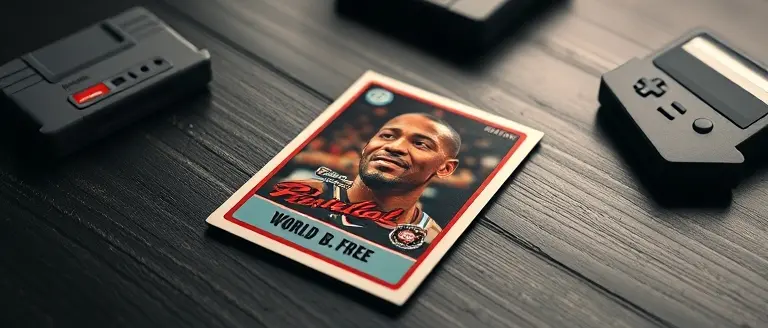
Chasing an 82-0 record in retro basketball simulations is a pursuit of perfection that turns casual players into intense roster architects. To achieve a flawless season, gamers often move beyond standard team rosters, opting to build “super-teams” utilizing the statistical dominance of historical legends. In early basketball game engines, certain players were essentially “game-breakers” due to how their specific physical attributes or shooting percentages were hard-coded into the software. Whether you are aiming for a 20-0 start or trying to remain undefeated through the full length of an NBA season, selecting the right lineup is the foundational step toward that elusive 82-0 dream.
The Statistical Edge of Legends
The utility of specific legacy players in these sims cannot be overstated. Enthusiasts often prioritize high-ceiling athletes who dominated the paint or high-volume perimeter shooters. Strategic roster construction often revolves around these key archetypes:
- Wilt Chamberlain: Often the cornerstone of any defensive-minded roster, his dominance in rebounding and interior scoring statistics effectively shuts down AI opponents.
- David Robinson: Selected for his versatility; his ability to act as both a rim protector and an efficient mid-range shooter makes him invaluable for maintaining high point differentials.
- World B. Free: Frequently cited by simulation hobbyists for his offensive explosiveness. In many game environments, his high individual shot-making rating makes him a “better 82-0” candidate for the shooting guard position than many contemporary options.
Ultimately, these simulations favor players whose statistical profiles minimize the variance of AI-driven outcomes. By stacking these legends, players create a “statistically safe” environment where the unpredictability of the game engine is mitigated. Success in these legacy-heavy simulations proves that while individual skill is required to navigate a season, victory is ultimately built on the meticulous management of historic rosters.
The Difficulty of the 82-0 Grind in Classic Basketball Sims
Achieving an 82-0 record in a basketball game is the holy grail for retro gaming enthusiasts, yet historical simulation data proves just how elusive this perfect season remains. In classic titles, the 82-0 quest is hindered by aggressive CPU logic and rigid programming that often ignores player stats in favor of forced difficulty spikes. Unlike modern releases, older simulation engines lacked the nuance to handle star-studded rosters, often punishing players who relied on specific legends.
Technical Hurdles and AI Behavior
The primary obstacle in these classic simulations is the unpredictability of the AI, which was designed to keep games competitive regardless of team talent.
- CPU Rubberbanding: Many early titles utilized artificial difficulty modifiers, ensuring that even a team anchored by stars like World B. Free or Wilt Chamberlain would face superhuman resistance from low-tier opponents.
- Fatigue and Injury Logic: The internal systems governing player health were notoriously unforgiving. Simulations often triggered “random” injury events designed to derail momentum, making a perfect 20-0 start feel like a precursor to an inevitable mid-season collapse.
- Defensive Sliders: Manipulating game settings to achieve a better 82-0 path often required an exhaustive understanding of defensive sliders. If these were not perfectly balanced, the simulation would inevitably penalize high-usage players, leading to “simulated losses” that felt entirely out of the user’s control.
Veteran players often discuss these struggles on forums, noting that even with a roster of basketball icons, the simulation engine’s reliance on RNG (Random Number Generation) effectively capped the win-loss ratio. Whether you are aiming for perfection or simply looking to best your personal record, these technical limitations ensure that the quest for an undefeated season remains a testament to both strategy and sheer persistence in the face of flawed, nostalgic code.
Nostalgia and the Legacy of Digital Basketball Perfection

The quest for an 82-0 record in virtual basketball remains a “holy grail” for retro gaming enthusiasts, representing the ultimate test of strategic roster management and simulation mastery. Decades after the inception of early sports titles, fans continue to gather on platforms like the Straight Dope message boards to debate the feasibility of a perfect, undefeated season. This enduring obsession highlights the unique intersection of sports history and digital simulation, where players treat the basketball game as a sandbox to test the limits of legendary athletes against the rigors of a full 82-game marathon.
Why the 82-0 Dream Persists
The fascination with achieving an 82-0 season is rooted in the “what-if” scenarios that define sports fandom. Gamers aren’t just looking for a simple win; they are attempting to engineer a dynasty that surpasses the limitations of reality. By manipulating rosters to feature historical icons, players create squads that could never exist in the modern NBA.
- The “World B. Free” Effect: Including high-octane scorers like World B. Free in simulation rosters provides a strategic advantage, often serving as the catalyst for high-scoring offenses capable of sustaining long winning streaks.
- Beyond the 20-0 Start: Many players find that while a 20-0 run is a common milestone, the increased difficulty of mid-season fatigue and AI adjustments makes finishing the final stretch significantly harder.
- The Pursuit of Digital Perfection: The community dialogue suggests that the pursuit is less about the game’s final outcome and more about the challenge of maximizing every roster spot to ensure total dominance.
For many, the satisfaction of a perfect season is a nod to the era of players who defined basketball, like Wilt Chamberlain or David Robinson, whose individual stats were often “video game numbers” in their own right. Whether or not someone has achieved the better 82-0 milestone, the forum discussions serve as a historical record of evolving simulation AI and the community’s collective effort to master the digital court. These threads ensure that the legacy of these classic basketball titles remains vibrant, proving that even as graphics and game engines evolve, the core desire to achieve absolute perfection on the hardwood remains constant.
Unlock Your Peak Simulation Performance
Mastering the intricacies of a historical basketball simulation requires maintaining an elite level of mental clarity over long, grinding stretches of the season. The difference between a solid winning percentage and a flawless 82-0 run often comes down to your ability to maintain sustained focus, sharpen your reaction times, and eliminate the cognitive fog that inevitably settles in after hours of deep-dive strategy and roster optimization.
This is where The Brain Song becomes the essential tool for the serious simulation gamer. By sharpening your pattern recognition and mental acuity, it helps you remain fully locked in on the nuances of AI behavior and tactical adjustments that lead to victory. Designed to mitigate the cognitive fatigue that hampers performance, this auditory protocol acts as a high-performance mental enhancer for your virtual coaching career, ensuring your decision-making stays sharp when it matters most.
Don’t let mental exhaustion be the reason your perfect season dream falls short. Elevate your cognitive baseline and approach every game with the clarity of a championship strategist. It is time to transform your deep-dive simulation experience and unlock your true potential on the virtual court.
 Optimize your focus for your next full-season run—try The Brain Song’s 12-minute auditory protocol today.Yes, I Want To Maximize My Focus Now!