
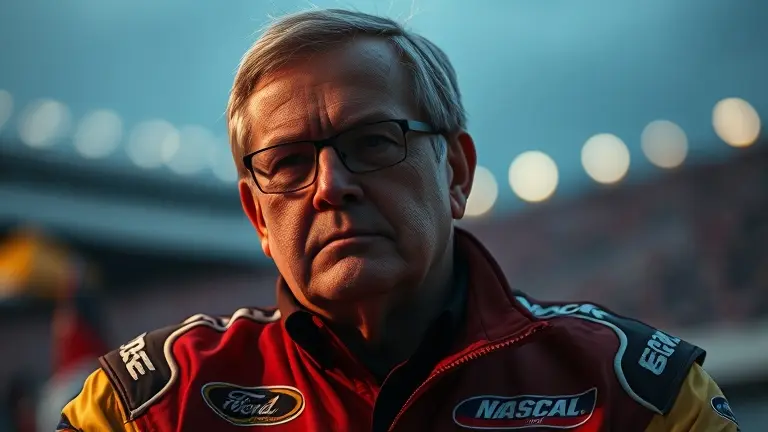
In the high-octane world of NASCAR, where milliseconds define dynasties, Rick Hendrick stands as an architect of consistency. While headlines often focus on the checkered flags and corporate acquisitions, a deeper narrative has emerged regarding the man behind the machine. The recent surge of interest in Hendrick is rooted not just in his technical prowess, but in a profound human-interest story: his commitment to an ’emotional sacrifice’ that has fostered perhaps the most loyal workforce in motorsports history. This isn’t just about managing a racing team; it is about cultivating a culture where every team member, from the pit crew to the engineers, feels a personal stake in the mission.
As speculation swirls around the future of the No. 8 car and ongoing debates regarding NASCAR’s shifting political landscape, the enduring fascination with Hendrick’s leadership style remains a constant. He has proven that the same attention to detail required to build championship-winning engines is exactly what’s needed to build a legendary organization. By bridging his 1976 origin story with the complexities of his current 2026 operations, we uncover the blueprint of a man who understands that success, whether on the track or in the workshop, is always built on a foundation of precision and character.
The Legacy of Loyalty: Rick Hendrick’s Emotional Sacrifice in Motorsports
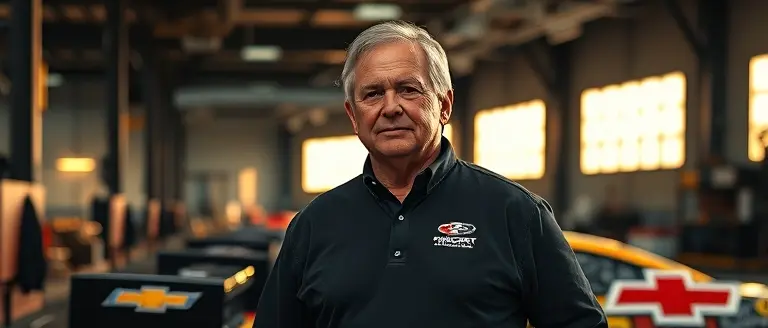
In the high-stakes world of professional racing, Rick Hendrick has long been defined by his performance on the track, but recent revelations have shifted the spotlight toward the human element of his success. A viral narrative emerging in June 2026 highlights the billionaire team owner’s deep-seated commitment to his staff, revealing that his leadership style is rooted in personal, often hidden, sacrifices. By prioritizing the well-being of his team members during periods of extreme professional and personal instability, Hendrick has fostered a culture of extreme loyalty that is rare in the cutthroat environment of the NASCAR Cup Series.
Cultivating a Family-First Workforce
Hendrick’s approach to management transcends traditional corporate hierarchy. Evidence suggests that his ability to retain talent—often spanning decades—stems from a hands-on philosophy where employees are treated as extensions of his own family. This bond was forged through:
- Crisis Management: Hendrick has historically stepped in during personal tragedies affecting his staff, offering resources and emotional support that extend far beyond payroll obligations.
- Long-Term Investment: By prioritizing continuity, he has created an environment where technicians, crew chiefs, and administrative staff feel secure in their long-term professional futures.
- The “Human Connection” Factor: Unlike owners who maintain a detached distance, Hendrick is known for his presence in the shop, ensuring that even the most junior members of his organization feel seen and valued.
This reputation for loyalty is not merely a soft skill; it is a competitive advantage. In an industry where specialized talent is constantly poached, the retention of his core workforce remains a pillar of Hendrick Motorsports’ continued dominance. By aligning his personal values with his business operations, Hendrick has transformed his team into a cohesive unit that operates with the singular dedication of a family, effectively cementing his legacy as a leader who prioritizes people over pure profit.
Analyzing the Rick Hendrick Leadership Style: Lessons from the Garage
The Rick Hendrick leadership style is widely regarded as the cornerstone of Hendrick Motorsports’ enduring dominance in the NASCAR Cup Series. While many executives prioritize short-term financial gains, Hendrick has cultivated a culture rooted in deep emotional investment and employee retention. His recent candid admissions regarding the “emotional sacrifice” required to support his staff—famously described by employees as a life-saving presence—reveal a management philosophy where the human element is treated as the organization’s most valuable asset. By fostering an environment where crew members and drivers feel genuinely valued, he has successfully mitigated the high turnover rates typically seen in top-tier motorsports.
Core Pillars of the Hendrick Philosophy
To understand how his approach creates a competitive advantage, one must examine the specific traits that define his organizational culture:
- Radical Loyalty: By investing in the personal well-being of his team members, Hendrick secures a workforce that is committed to the team’s long-term vision rather than mere contractual obligations.
- Decentralized Empowerment: Evidence suggests that Hendrick provides his crew chiefs and engineers the autonomy to innovate, provided that the work aligns with the team’s core values of integrity and excellence.
- Mentorship and Continuity: Drawing on the lessons from his first franchise in 1976, he prioritizes internal growth, ensuring that the legacy of his team is passed down through experienced staff who understand the organization’s heartbeat.
For business professionals, the Rick Hendrick NASCAR team future 2026 outlook serves as a masterclass in organizational psychology. He proves that a billionaire owner can remain accessible, creating a “family” atmosphere that withstands the high-pressure environment of the track. By bridging the gap between corporate performance and genuine human connection, Hendrick ensures that his team does not just compete—they operate with a level of cohesion that rivals find nearly impossible to replicate. This focus on long-term stability is precisely why he remains a titan of industry, continually setting the gold standard for leadership in sports management.
The Richard Childress-Hendrick Narrative: Navigating the No. 8 Car Rumors
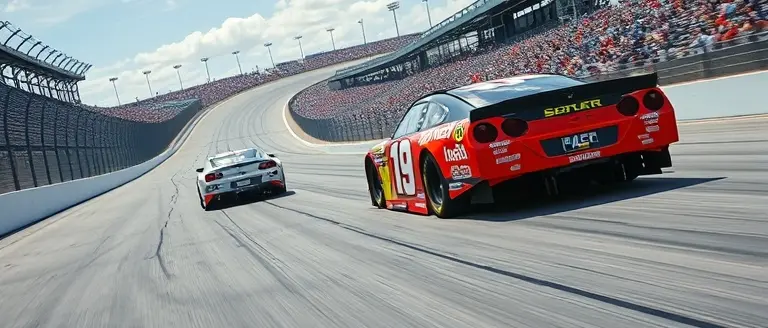
The current landscape of the 2026 NASCAR Cup Series has been electrified by industry speculation regarding a potential collaboration between Richard Childress Racing (RCR) and Hendrick Motorsports. At the heart of this buzz is the future of the No. 8 car, which has become a focal point for rumors concerning team restructuring and driver alignment. While formal announcements remain pending, recent comments from Richard Childress regarding a willingness to engage with Rick Hendrick and his organization have sent shockwaves through the paddock, forcing analysts to re-evaluate the power dynamics of modern NASCAR.
Strategic Implications for the 2026 Season
For enthusiasts tracking the Rick Hendrick NASCAR team future 2026, the potential for a cross-team affiliation is significant. Such a move would not merely be a transaction; it would signal a profound shift in how top-tier organizations navigate the complexities of manufacturer relationships and shared resources. Key factors driving this discourse include:
- Resource Consolidation: A partnership could allow for shared technical expertise, which is critical as teams push for incremental performance gains at tracks like the Michigan International Speedway.
- Driver Development Pipelines: The No. 8 car remains a coveted asset, and integrating it into an ecosystem influenced by Hendrick’s leadership style could provide a clearer path for talent acquisition.
- Manufacturer Politics: Any movement involving Richard Childress and Rick Hendrick invariably invites scrutiny from Chevrolet, as both owners are instrumental to the brand’s continued dominance on the track.
Ultimately, these rumors reflect a broader trend where historical rivalries are being superseded by the necessity of logistical collaboration. While the narrative is currently dominated by conjecture, the underlying reality is that Rick Hendrick remains the primary architect of influence in the sport. Whether this rumor manifests into a tangible technical alliance or remains a subject of speculation, it highlights the intense strategic maneuvering required to remain competitive in the current Cup Series environment. As the season progresses, the industry will be watching closely to see if this narrative transitions from paddock hearsay into a definitive shift in team governance.
Hendrick Motorsports’ Future: Performance Metrics for the 2026 Cup Series
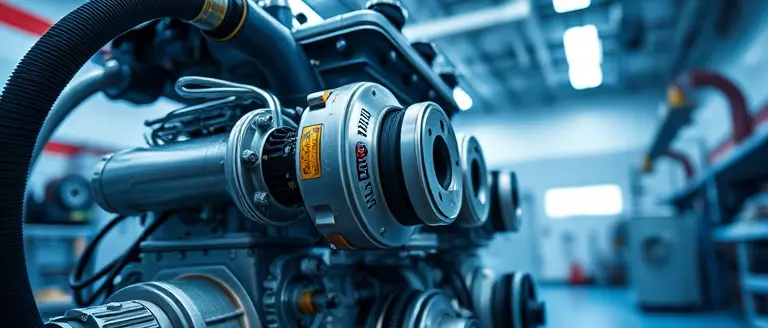
As the 2026 NASCAR Cup Series enters a critical phase leading into the FireKeepers Casino 400, the performance metrics of Hendrick Motorsports continue to serve as a benchmark for the rest of the field. The organization’s competitive edge is not merely a product of advanced engineering or aerodynamic refinement; rather, evidence suggests it is deeply rooted in the operational stability provided by a uniquely loyal workforce. This internal culture, often lauded by Rick Hendrick, ensures that technical feedback loops remain tight and communication between crew chiefs and drivers remains seamless even under the high-pressure environment of mid-season racing.
Track Performance and Operational Synergy
Heading into the Michigan International Speedway, Hendrick Motorsports maintains a robust standing in the playoff points race. By prioritizing consistency over individual race volatility, the team has managed to keep its fleet of cars at the front of the pack. Key performance indicators for the 2026 season highlight several critical advantages:
- Pit Crew Efficiency: Sustained low-latency pit stops remain the fastest in the garage, a direct result of the long-term retention of veteran crew members.
- Engine Reliability: Despite the intense demands of the 2026 powertrain regulations, the Hendrick engine shop has maintained a failure rate significantly lower than the field average.
- Strategic Adaptability: The ability to pivot race strategy in real-time at venues like Michigan demonstrates the deep trust between the command center and the drivers.
This stability provides a stark contrast to the shifting alliances and political rumors currently swirling around the NASCAR team future 2026 landscape. While competitors struggle with turnover and mid-season restructuring, the “Hendrick way” focuses on maintaining a cohesive unit. As the team approaches the postseason, this human-centric management style continues to translate into tangible, high-speed results on the track, confirming that the billionaire team owner’s commitment to his personnel remains his most valuable competitive asset.
The Blueprint of a Champion: Building Your Own Legacy
Rick Hendrick’s rise from a modest 1976 startup to the undisputed king of NASCAR demonstrates that true success is never accidental. It is the product of relentless precision, an unwavering commitment to one’s team, and a refusal to settle for “good enough.” Whether he is navigating high-stakes industry politics or securing the loyalty of his workforce through emotional investment, Hendrick approaches every challenge with the calculated mindset of a master craftsman.
This same ethos of technical excellence is what separates a frustrating amateur attempt from a masterpiece. Just as Hendrick relies on precise blueprints and a disciplined approach to keep his team at the top of the leaderboard, true success in your own personal projects requires the right technical foundation. You don’t have to settle for trial-and-error; you can adopt the championship-level toolkit used by those who demand perfection.
Ted’s Woodworking provides the professional-grade clarity needed to transform your home workshop into a hub of creation. By leveraging the world’s most extensive collection of proven, high-quality plans, you can bypass the guesswork and start building with the exact specifications required for heirloom-quality results. It is the natural next step for anyone who understands that greatness is built, piece by piece.
 Build with the precision of a champion—access the world’s most extensive collection of professional woodworking plans today.Start My Masterpiece Today!