
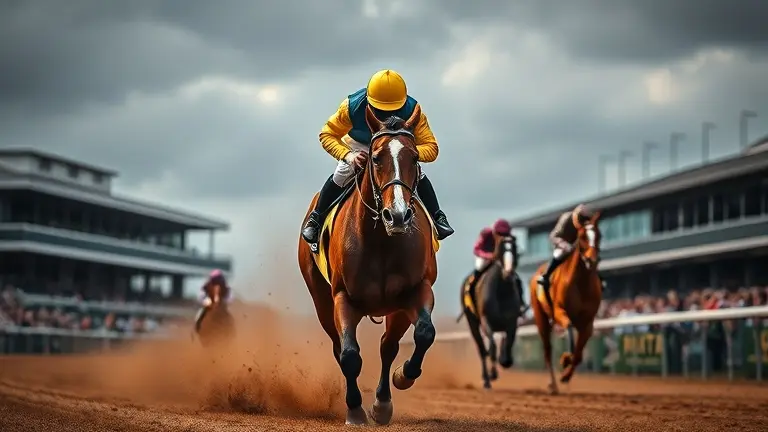
When the dust settled at Saratoga on that historic Saturday in June 2026, it wasn’t just another win for the record books—it was a statement. Golden Tempo’s triumph in the 158th Belmont Stakes confirmed what many whispered after his Kentucky Derby 2026 victory: we were witnessing a rare, tactical masterpiece. By choosing to bypass the Preakness Stakes, trainer Cherie DeVaux defied conventional wisdom, betting everything on a fresh horse for the final, grueling leg of the Triple Crown.
The result? A commanding performance that left racing enthusiasts and analysts scrambling to decode the exact fractions that paved the way to glory. As we analyze the post-race results, it becomes clear that Golden Tempo’s victory was a triumph of intelligent planning over tradition. This retrospective explores how Jose Ortiz navigated the Saratoga track and why this strategic break might just be the new blueprint for future Triple Crown contenders aiming for ultimate greatness.
Golden Tempo: The Historic Victory at the 158th Belmont Stakes
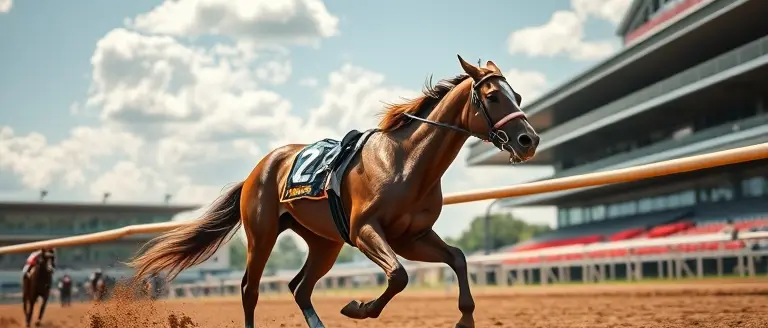
The 158th running of the Belmont Stakes on June 6, 2026, will be remembered as the day Golden Tempo solidified his place in thoroughbred racing history. Held at the iconic Saratoga Race Course, the event drew massive crowds eager to see if the Kentucky Derby 2026 champion could repeat his success on the challenging New York track. By crossing the finish line first in this final leg of the Triple Crown races, Golden Tempo silenced any lingering doubts about his stamina and tactical versatility, outperforming a competitive field that included Commandment, Renegade, and Chief Wallabee.
A Masterclass in Tactical Racing
The victory was the result of a calculated strategy executed flawlessly by trainer Cherie DeVaux and jockey Jose Ortiz. After making the controversial decision to bypass the Preakness Stakes, the team focused their efforts entirely on preparing the colt for the grueling distance of the Belmont. This strategic break proved pivotal; Golden Tempo arrived at Saratoga with fresh legs and a clear tactical advantage. Throughout the race, Ortiz kept the horse in a perfect striking position, patiently navigating the field before making a decisive move in the final stretch to secure the $2 million purse.
Key takeaways from the performance included:
- Strategic Freshness: The choice to skip the second Triple Crown leg provided the physical edge needed for the long 1 1/2-mile journey.
- Controlled Fractions: Ortiz maintained steady, sustainable pacing that prevented the horse from tiring in the final furlong.
- Professional Composure: Despite the high pressure of the event, the horse showed remarkable maturity in the starting gate and during the chaotic final turn.
With the Belmont stakes results now firmly in the record books, industry experts are already speculating on the road ahead. Having conquered the primary US classics, Golden Tempo is now positioned as a clear favorite for upcoming elite competitions, with many eyes shifting toward a potential campaign aimed at the Breeders’ Cup. This win not only boosts the horse’s value but cements a legacy that began earlier this spring at Churchill Downs.
The Strategic Masterclass: Why Cherie DeVaux Skipped the Preakness

The victory of Golden Tempo at the 158th Belmont Stakes at Saratoga Race Course was far from a stroke of luck; it was the product of a calculated, high-stakes gamble taken by trainer Cherie DeVaux. By opting to bypass the Preakness Stakes after a grueling win at the 2026 Kentucky Derby, DeVaux prioritized the physiological integrity of her horse over the traditional pursuit of the Triple Crown sweep. This decision, while initially met with skepticism by purists, provided the horse with a critical recovery window that proved decisive in the mile-and-a-half marathon at Saratoga.
The Physiological Advantage of Fresh Legs
Modern equine training cycles increasingly emphasize the need for adequate recovery, especially following the high-intensity stress of the “Run for the Roses.” By avoiding the quick turnaround of the Preakness, Golden Tempo benefited from:
- Reduced Musculoskeletal Stress: Avoiding the two-week recovery window meant the horse avoided the inflammatory risks often associated with back-to-back high-intensity efforts.
- Targeted Training Cycles: DeVaux utilized the interim period to focus on endurance work specific to the demanding 1 1/2-mile distance of the Belmont Stakes, rather than tapering for a shorter race.
- Peak Metabolic Conditioning: Evidence suggests that horses running “fresh” in the final leg of the Triple Crown races are better equipped to handle the grueling stamina requirements of the Belmont’s historic Saratoga surface.
This strategic patience allowed jockey Jose Ortiz to manage a horse that was not only mentally sharp but physically peaking at the exact moment it crossed the finish line. As the Belmont results confirmed, the absence of fatigue allowed Golden Tempo to outpace runners like Commandment and Renegade, who showed signs of regression after contesting the middle leg of the series. Ultimately, this win serves as a blueprint for future trainers, highlighting that longevity and recovery are often the ultimate keys to capturing the most prestigious Belmont stakes results in the modern era.
Jockey Jose Ortiz: The Tactical Ride Behind the Crown
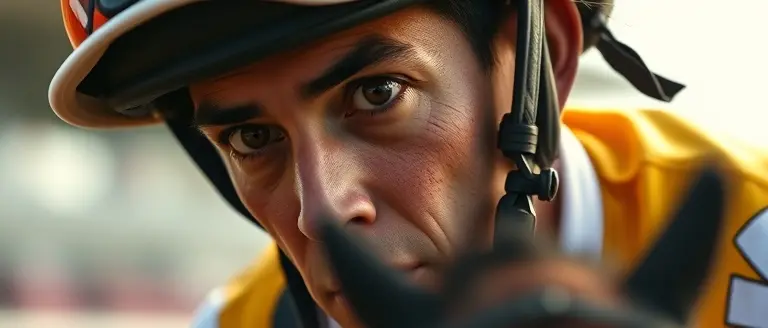
The victory of Golden Tempo in the 158th Belmont Stakes at Saratoga Race Course was a masterclass in pace management, orchestrated perfectly by jockey Jose Ortiz. Coming off a commanding performance in the 2026 Kentucky Derby, the decision by trainer Cherie DeVaux to bypass the Preakness Stakes proved pivotal, as it allowed the horse to enter the grueling 1 1/4-mile distance of the Belmont with significant reserves of stamina. Ortiz understood that the key to conquering the “Test of the Champion” was resisting the urge to engage in early speed duels, opting instead for a patient, tactical stalk that kept his mount composed throughout the backstretch.
Strategic Execution at the Belmont
Throughout the race, Ortiz demonstrated exceptional field awareness, keeping Golden Tempo positioned comfortably in third place while leaders set a grueling pace. His tactical approach included:
- Pace Conservation: By tracking the leaders from the outside, Ortiz avoided the heavy traffic that often plagues mid-pack runners, ensuring the horse had a clean line into the final turn.
- Controlled Acceleration: Rather than asking for a burst of speed too early, Ortiz waited until the top of the stretch to shift gears, utilizing the horse’s natural stride length to pull away from contenders like Commandment and Renegade.
- Energy Distribution: By keeping the horse calm through the initial fractions, Ortiz ensured enough gas was left in the tank to withstand the late-closing efforts of the field, effectively sealing the Belmont results in the final furlong.
The synergy between Ortiz and the colt was undeniable, as the jockey’s gentle handling kept the animal focused despite the raucous Saratoga crowd. By winning both the Kentucky Derby 2026 and the Belmont, the pair cemented their status as the dominant force in this year’s Triple Crown races. This victory highlights why Ortiz is considered one of the most tactical riders in the game; he turned a high-stakes race into a clinical demonstration of discipline and timing.
The Data and the Devotion: Betting Trends and Social Media Buzz
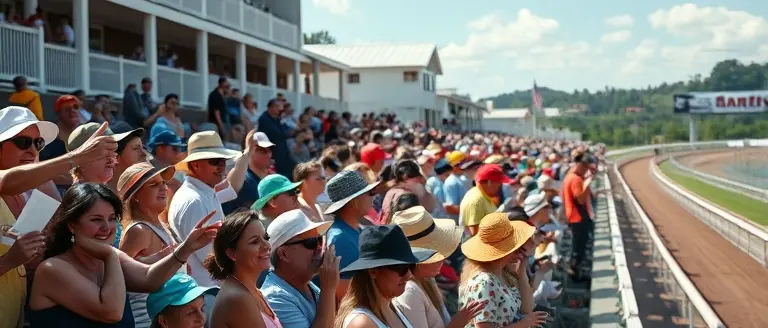
The lead-up to the 158th Belmont Stakes at Saratoga Race Course was defined by a surge in wagering volume that firmly established Golden Tempo as the public’s clear favorite. Following a historic performance at the 2026 Kentucky Derby, betting markets favored the thoroughbred despite the tactical uncertainty regarding the horse’s extended rest period. Data from major sportsbooks indicated a heavy influx of capital on Golden Tempo to win, with casual bettors captivated by the narrative of a fresh horse skipping the grueling Preakness Stakes to dominate the “Test of the Champion.” As results of the Belmont Stakes were finalized—with Commandment and Renegade rounding out the trifecta—the payout confirmed that the smart money had accurately anticipated this tactical masterclass.
The digital landscape mirrored the intensity of the betting pits, as #GoldenTempo surged to the top of trending topics globally. Social media platforms, particularly X (formerly Twitter) and Instagram, saw an unprecedented volume of user-generated content analyzing the horse’s stride, Jose Ortiz’s precise ride, and Cherie DeVaux’s controversial, yet successful, training regimen. Fan sentiment shifted from cautious optimism before the race to pure adoration immediately after the victory, with many praising the decision to prioritize the Belmont over a traditional Triple Crown campaign.
Key factors driving the social media buzz included:
- Tactical Validation: Fans and analysts extensively shared race-fraction clips, debating how the strategic break kept the horse in peak condition for the Saratoga distance.
- The “Freshness” Argument: Viral threads contrasted the training intensity of Triple Crown hopefuls, noting how Golden Tempo’s unique path redefined modern expectations for classic races.
- Betting Community Milestones: Thousands of fans posted their winning tickets, turning the horse into a symbol of resilience and smart strategic planning in an era where such upsets are rare.
Ultimately, the confluence of betting data and online discourse transformed Golden Tempo into more than just a racehorse; the winner of the 2026 Belmont Stakes became a true cultural phenomenon. This widespread engagement highlights a growing interest in the analytical side of the Triple Crown races, proving that fans are as invested in the behind-the-scenes strategy as they are in the final results on the track.
Master Your Analytical Edge
The 2026 Triple Crown season will be remembered for the masterclass delivered by Golden Tempo, proving that strategic patience is as vital as raw talent. By bypassing the grueling Preakness, Cherie DeVaux and Jose Ortiz didn’t just win a race; they executed a perfectly calibrated plan that showcased the pinnacle of thoroughbred performance and tactical decision-making at Saratoga.
Yet, the high-stakes world of professional handicapping demands the same level of precision and mental stamina that championship trainers apply to their stars. Whether you are dissecting race fractions or mapping out the path to the Breeders’ Cup, the difference between an average observer and a sharp analyst lies in cognitive clarity. Just as DeVaux and Ortiz required unwavering focus to seize their moment in history, your success in predicting the next big upset depends on your mind operating at its absolute peak.
To navigate the complexities of race data without succumbing to analysis fatigue, you need a mental edge that cuts through the noise. The Brain Song is designed to provide the cognitive focus and deep mental processing power required by the modern handicapper. By optimizing your mental clarity, you ensure that you are always ready to spot the next golden opportunity before the rest of the field even notices.
 Unlock your peak analytical performance and sharpen your focus for the next Triple Crown race with The Brain Song.Sharpen My Analytical Edge Today!