
With the 2026 FIFA World Cup kickoff just days away, the sports world is locked in a fever-pitch anticipation of a potential France vs. Argentina showdown. Since that historic 2022 final in Qatar—arguably the greatest match in sporting history—the debate over tactical supremacy between these two giants has only intensified. As economists and analysts crown them joint favorites, fans are left wondering: have the squads evolved enough since 2022 to shift the balance of power, or are we destined for another legendary clash of wills?
This article moves beyond the headlines to provide a high-level technical autopsy of both nations as they prepare to open their campaigns on North American soil. From the influx of new defensive talent to the evolving tactical frameworks of their managers, we dissect how the 48-team tournament structure influences their paths. Prepare to sharpen your analytical lens, because in the high-stakes game of 2026, the real match is won in the details—and staying ahead requires more than just fandom; it requires deep, data-driven insight.
The 2026 Anticipation: Why a France vs. Argentina Rematch Still Defines the Narrative
As the global football community prepares for the 2026 FIFA World Cup kickoff on June 11, the discourse remains overwhelmingly anchored to the 2022 final. The narrative of france vs argentina transcends typical sporting rivalries, functioning as the primary benchmark for greatness in the current era. According to recent reports from Reuters and the Latin Times, both nations enter the tournament as consensus favorites, a status cemented by their tactical evolution and depth of talent since their dramatic clash in Qatar. For fans and analysts, the potential for a rematch serves as the ultimate “what if,” representing the collision of two distinct philosophies: French athleticism and tactical rigidity versus the creative orchestration synonymous with Lionel Messi’s final chapter.
The Psychological Weight of a Potential Rematch
The obsession with a potential 2026 meeting is rooted in the “collision course” dynamic, as documented by Yahoo Sports. The anticipation is not merely about rankings, but about the individual legacies of stars like Kylian Mbappé and Lionel Messi. Several factors contribute to the heightened intensity surrounding this matchup:
- Defensive Reconfiguration: Both teams have overhauled their defensive lines since 2022, leading to intense speculation regarding whether Argentina’s backline can withstand the renewed pace of the French attack.
- The 48-Team Format: The expanded tournament structure introduces new variables for the bracket path, making a deep-tournament clash statistically possible but logistically complex.
- Legacy Stakes: With this being widely regarded as the final major tournament appearance for several veteran stars, the pressure to secure a definitive victory over their primary rival adds an unprecedented psychological layer to every match played by both squads.
Evidence suggests that while Argentina currently holds the top FIFA ranking, the sheer statistical predictive power behind the French squad keeps them favored by several major models to lift the trophy. This parity creates a compelling tension, ensuring that every group-stage performance will be scrutinized through the lens of a future potential france vs argentina encounter.
Mathematical Odds: Tracking the Road to a Potential Bracket Collision
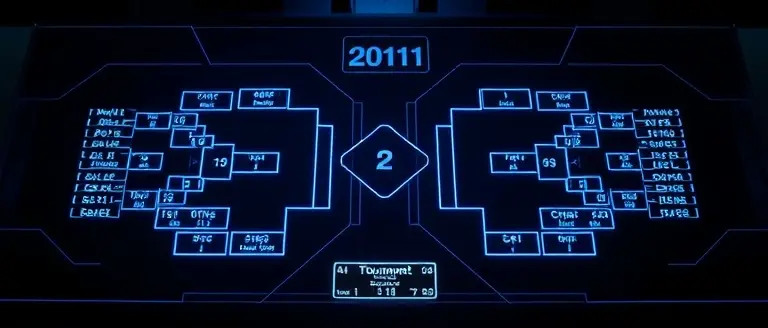
The expanded 48-team format of the 2026 FIFA World Cup introduces unprecedented complexity in predicting a France vs Argentina collision. With the tournament structure now featuring 12 groups, the path to a knockout-round reunion depends heavily on both nations securing top seeds. Mathematical modeling suggests that if both teams win their respective groups, they are placed in opposite halves of the bracket, effectively preventing any meeting until the Final or the third-place playoff. Conversely, a second-place finish for either giant would significantly increase the probability of a “Round of 16” or “Quarter-final” encounter, depending on the predetermined cross-over slots assigned by FIFA.
Analyzing the Probability Matrix
Expert analysts utilizing simulation data from predictive models emphasize that the likelihood of a high-stakes rematch remains statistically high, given the squad depth of both nations. Based on current FIFA rankings and historical performance in tournament openers, we can observe the following variables influencing a potential bracket overlap:
- Group Stage Dominance: Both France and Argentina are heavily favored to finish first in their groups. Under the current tournament tree, this scenario mathematically guarantees they cannot face each other until the trophy match.
- The “Runner-Up” Catalyst: If either nation suffers an upset in the group stage, the bracket math shifts drastically. A second-place finish for one team creates a “collision course” where they could face the other as early as the Round of 16, a scenario that would be arguably the most anticipated match in sporting history.
- Path to the Final: Modeling suggests a ~12% probability of a France vs Argentina final, provided both squads navigate the expanded 32-team knockout bracket successfully.
While betting markets fluctuate as the June 11 kickoff approaches, the data-driven consensus is clear: the road to a rematch is narrow, requiring near-perfect consistency from both sides. Fans monitoring the 2026 World Cup schedule should keep a close eye on the group standings, as any deviation from the expected top-seed performance will immediately alter the mathematical likelihood of an earlier, high-octane encounter between the 2022 finalists.
Evolution of the Titans: Comparative Dossiers on France and Argentina
Since the epic conclusion of the 2022 World Cup, both France and Argentina have undergone significant structural transformations. As the 2026 tournament nears, the tactical landscape has shifted from the reliance on singular brilliance to a more integrated, depth-oriented approach. France has transitioned away from a strictly counter-attacking identity, now emphasizing a more fluid, high-pressing system that utilizes their incredible surplus of young defensive talent. Conversely, Argentina has successfully managed the transition of the “Messi era,” evolving into a more resilient, organized unit that no longer hinges solely on individual moments of magic, but rather on a sophisticated mid-block defense that frustrates elite opposition.
Tactical Shifts and Squad Integration
The evolution of these squads reflects the increased physical demands of the expanded 48-team tournament format. Analysts note that both managers have prioritized versatility to handle the grueling, high-frequency schedule. Key changes include:
- France’s Defensive Overhaul: Les Bleus have integrated a new generation of central defenders who offer superior ball-playing capabilities, allowing for a higher defensive line and more progressive possession play compared to their 2022 iteration.
- Argentina’s Midfield Stability: La Albiceleste has bolstered its central engine room, moving away from a traditional double pivot to a dynamic three-man midfield. This evolution ensures that even as Lionel Messi operates in a more selective, restricted role, the team retains the defensive coverage necessary to neutralize transitions.
- Strategic Depth: Both nations have leveraged the increased roster limits, ensuring that their depth charts now feature specialized substitutes who can alter the tempo of a match—a critical advantage for a potential france vs argentina rematch in the knockout stages.
Evidence suggests that these adaptations are not merely reactionary but proactive efforts to dominate the 2026 environment. While France remains statistically favored by various predictive models, Argentina’s recent reclamation of the top FIFA ranking underscores their tactical maturity. As the kickoff in North America looms, the contrast between French raw athleticism and Argentine tactical discipline remains the defining narrative of this potential tournament-defining collision.
Messi vs. Mbappé: The Individual Legacy Duel

As the world turns its attention to the 2026 FIFA World Cup, the narrative of france vs argentina is inextricably linked to the ongoing duel between Lionel Messi and Kylian Mbappé. Following their unforgettable clash in the 2022 final, these two titans have continued to define the sport, albeit through different career trajectories. Messi, entering what many analysts suggest is the “final chapter” of his storied international career, carries the weight of a nation determined to defend its throne. His role has evolved from a pure goal-scoring threat into a tactical conductor, utilizing unparalleled vision to dictate the tempo of Argentina’s play.
In contrast, Kylian Mbappé remains the ultimate embodiment of explosive, modern athleticism. As the centerpiece of the French attack, his ability to transition from defense to offense in seconds makes him the most feared forward in world football. While Messi’s legacy is already secured, Mbappé is currently in his prime, driven by the ambition to solidify his status as the undisputed successor to the throne of global soccer.
Tactical Evolution and Leadership Dynamics
The tactical evolution of these two stars since 2022 highlights why a potential rematch remains the most anticipated event of the 2026 tournament. Data-driven insights from Reuters and Yahoo Sports emphasize that the duo’s influence extends far beyond individual statistics:
- Messi’s Orchestration: Now operating deeper in the midfield, Messi acts as the primary distributor, maximizing Argentina’s possession-based efficiency to compensate for the natural fatigue associated with his veteran status.
- Mbappé’s Tactical Flexibility: Under the current French setup, Mbappé has developed a more versatile defensive work rate, allowing France to maintain a compact shape without sacrificing their lethal counter-attacking identity.
- The Captaincy Factor: Both players serve as the emotional anchors of their respective squads, and their ability to perform under the high-pressure environments of a 48-team tournament structure will likely determine whether we witness another historic encounter.
Ultimately, whether these two icons cross paths on the pitch again depends on their teams navigating the expanded bracket, but the “Messi vs. Mbappé” storyline remains the primary draw for a global audience desperate to see if the torch of supremacy will be passed in North America this June.
Fan Essentials: The 2026 World Cup Kickoff Guide
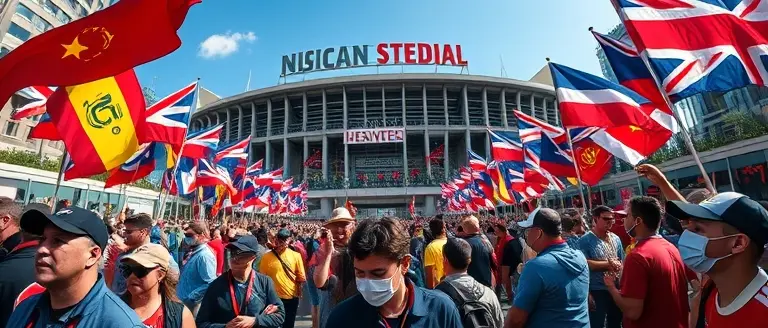
As the June 11, 2026 kickoff approaches, excitement surrounding a potential france vs argentina rematch has reached a fever pitch. For fans planning to follow the tournament, preparation is essential due to the expanded 48-team format and the sprawling geographic footprint across North America. To track your team’s progress, ensure you are utilizing official FIFA digital platforms and verified broadcast partners, which provide real-time updates on group stage standings and potential knockout round paths. Given that both nations enter the tournament as top-tier favorites, early match schedules demand close attention to avoid missing high-stakes group fixtures that will determine their path to a theoretical championship collision.
Navigating the Opening Week and Ticketing
The opening phase of the 2026 FIFA World Cup will test the stamina of even the most dedicated supporters. With matches spread across host cities in the United States, Canada, and Mexico, logistical planning is paramount. If you are still seeking access to specific match-ups, refer exclusively to the official FIFA ticketing portal to mitigate the risk of fraudulent secondary-market sales.
- Real-Time Tracking: Use the FIFA app for push notifications regarding starting lineups, injury updates, and live score tracking to stay ahead of the curve.
- Broadcast Information: In the United States, tune into official network partners to access pre-match analysis, including expert commentary on the Messi vs. Mbappé narrative that continues to dominate headlines.
- Safety and Travel: For those attending in person, monitor official city-specific fan zone portals, which serve as the primary resource for transportation updates, venue bag policies, and localized event programming.
As the tournament progresses, the bracket structure becomes increasingly complex. Fans should bookmark the official tournament schedule provided on FIFA.com to keep pace with the shifting landscape of group rankings. Whether you are rooting for the defensive resilience of France or the tactical genius of the Argentine squad, staying informed through verified channels remains the best way to experience what many analysts, including those from Reuters, expect to be the most significant sporting event of the decade.
Mastering the Tactical Chessboard of 2026
As the 2026 FIFA World Cup countdown reaches its final hours, the narrative surrounding France vs. Argentina has transcended simple rivalry; it has become a masterclass in modern footballing evolution. Whether it is the tactical shift in defensive structures or the high-stakes endurance of legends like Mbappé and Messi, the ability to synthesize this flood of analytical data is what separates the casual spectator from the true football connoisseur. Understanding these complex variables is not just about watching the game—it is about anticipating the tactical maneuvers before they unfold on the pitch.
Just as these elite squads are conditioning their minds and bodies for the tactical chess match of the tournament, you need your own mental sharpness to track the complex variables and predictive models of this monumental rivalry. This is where The Brain Song becomes your essential companion. By enhancing cognitive focus and eliminating mental fog, it allows you to process the intricate data and expert scouting reports with the clarity and precision of a seasoned analyst. You aren’t just following the World Cup; you are equipped to deconstruct it.
Preparing for the intensity of this tournament requires more than just passion; it demands a sharpened, high-performance mind capable of absorbing every nuance of the match-up. Do not just watch from the sidelines—gain the analytical edge needed to stay ahead of the narrative. Optimize your cognitive performance for the 2026 World Cup kickoff with The Brain Song—start your 12-minute daily routine today.
 Optimize your cognitive performance for the 2026 World Cup kickoff with The Brain Song—start your 12-minute daily routine today.Sharpen My Analytical Edge Now!