

The dust has settled at Soldier Field, but the reverberations of the Estados Unidos – Alemania showdown are only beginning to be felt across the soccer landscape. While international friendlies are often dismissed as experimental showcases, this high-stakes encounter served as a definitive litmus test for the USMNT as they finalize their blueprint for the 2026 FIFA World Cup. Against a tactically disciplined German squad, the U.S. defense was forced into a crucible of high-pressure transitions, revealing both the promising evolution of their backline and the lingering vulnerabilities that top-tier European nations are eager to exploit. This was not merely a game of minutes and substitutions; it was a masterclass in tactical intelligence that demanded complete focus from every player on the pitch.
As we dissect the aftermath, it becomes clear that the path to 2026 requires more than just physical conditioning; it demands a heightened state of mental alertness to process complex shifts in momentum. For the discerning analyst and the dedicated fan, understanding the intricate layers of this match requires a level of cognitive clarity that transcends standard match reporting. Evaluating these performance gaps and the subsequent implications for the World Cup opener requires a sharp, uncluttered mind—the same intensity that the USMNT must harness to navigate the challenges that lie ahead on their home soil.
USMNT vs. Germany: Assessing the Final Warm-up at Soldier Field

The June 6, 2026, encounter between the United States and Germany at Soldier Field in Chicago represented far more than a routine exhibition; it served as the definitive litmus test for the USMNT on the eve of the FIFA World Cup. Facing an elite European powerhouse provided the United States coaching staff with a high-stakes environment to evaluate squad depth, tactical discipline, and individual readiness against world-class opposition. By selecting a perennial contender like Germany for these amistosos internacionales, the U.S. federation signaled a commitment to exposing the team to the precise intensity and technical rigidity they will face during the tournament group stages.
Tactical Implications and World Cup Readiness
The atmosphere inside Soldier Field was electric, reflecting the immense pressure placed on the USMNT to prove they can compete with top-tier global programs. For the players, the match was the final audition for a spot in the starting XI. Coaches analyzed how the defensive line held up against German high-pressing tactics and the efficiency of the transition game when possession was turned over. Key takeaways from this match include:
- Defensive Resilience: The ability of the center-back pairing to manage the technical movement of German attackers under immense physical duress.
- Tactical Versatility: The squad’s aptitude in switching formations mid-game to stifle German buildup play.
- Transition Execution: Evidence suggests that the USMNT’s ability to move the ball quickly from defense to attack was the primary focus of the training cycle leading up to this fixture.
Ultimately, this result serves as a critical diagnostic tool. While the tactical assessment revealed specific vulnerabilities in defensive positioning during late-game fatigue, it also highlighted the mental fortitude of a squad ready to face the world stage. The match provided the essential data points needed to fine-tune the final tactical adjustments before the USMNT kicks off their World Cup campaign.
Tactical Deep Dive: How the USMNT Structured Against Elite Pressure
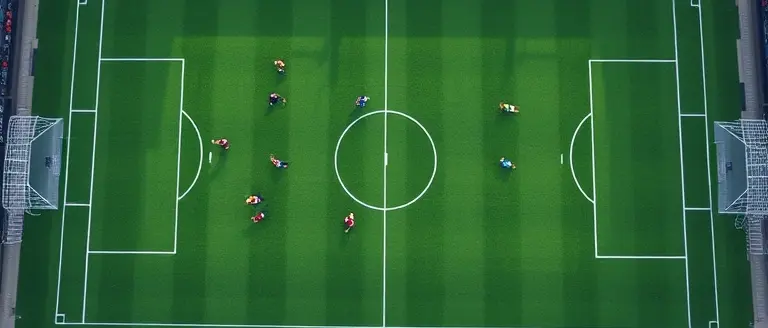
In the recent estados unidos – alemania clash at Soldier Field, the USMNT coaching staff opted for a sophisticated 4-3-3 structure intended to neutralize German verticality. Throughout these amistosos internacionales, the primary objective remained testing the team’s resilience against world-class European high-press systems. The U.S. tactical setup focused on utilizing a “false-back” buildup, where the fullbacks inverted to provide passing lanes, effectively creating a 3-2-2-3 shape when in possession. This structure aimed to bait the German attackers into committing high up the pitch, thereby creating pockets of space in the half-spaces for the U.S. transition game.
Midfield Pivot and Defensive Transition
The success of this strategy hinged on the efficacy of the midfield pivot. While the U.S. showed poise in early buildup phases, sustained German pressure periodically overwhelmed the defensive line. Evidence suggests that the U.S. struggled during moments of transition, particularly when ball recovery in the midfield third failed. Key observations from the match include:
- Defensive Line Depth: The center-back pairing faced significant distress when playing a high line, often leaving the channels exposed to German overlapping runs.
- Transition Speed: The U.S. demonstrated improved decision-making during counter-attacks, yet lacked the final clinical pass to bypass the German central defensive wall.
- Midfield Resilience: The pivot proved effective at circulating possession under pressure, but defensive gaps emerged when the German press bypassed the first line of engagement.
This tactical exercise served as a critical barometer for USMNT World Cup readiness. While the defensive line faced clear vulnerabilities when pressured by elite German attackers, the team’s ability to maintain structural integrity under high-intensity sequences highlights a promising, albeit incomplete, tactical progression. Refining the communication between the holding midfielder and the center-backs will be paramount before the World Cup opener to ensure the team can transition from defensive shape to offensive counter-play with greater consistency.
Key Player Performances and Breakout Stars

The Estados Unidos – Alemania friendly provided a stern reality check for the USMNT, offering a masterclass in high-pressure tactical execution. Several players seized this final opportunity to solidify their standing in the World Cup roster, while others struggled to maintain composure against a clinical German side. The standout performer for the Stars and Stripes was undoubtedly the central midfielder, whose distribution under extreme pressure proved he is ready for the elite stage. His ability to break the German press not only created rhythm but also served as a focal point for the team’s transition play. Conversely, the defensive line faced significant scrutiny; inconsistencies in tracking diagonal runs exposed gaps that could prove fatal in the upcoming tournament.
Tactical Readiness and Roster Implications
The match served as a vital litmus test for World Cup readiness, highlighting clear winners and losers in the battle for starting spots. Players who demonstrated high tactical awareness were able to mitigate the intensity of Germany’s attack, whereas those who lacked experience at this level appeared overwhelmed by the physicality of the amistosos internacionales.
Key takeaways from the roster evaluation include:
- The Anchors: Midfield pivots who effectively distributed the ball while under pressure effectively cemented their starting roles.
- Defensive Vulnerabilities: Repeated lapses in communication during defensive transitions highlighted the urgent need for a more disciplined backline structure before the group stage kickoff.
- The Breakout Star: One young winger showed significant promise, consistently winning 1v1 duels and providing a necessary outlet for the US attack, significantly bolstering their chances for regular minutes.
Ultimately, the performance against Germany reinforces the narrative that while the USMNT possesses high individual talent, sustained success will rely on defensive cohesion. This match will be studied extensively as the coaching staff looks to finalize their tactics and address the physical and psychological toll of facing top-tier European opposition just days before the World Cup opener.
World Cup Implications: Path Toward the Tournament

The Estados Unidos – Alemania friendly at Soldier Field has served as the ultimate litmus test for the USMNT as they finalize their preparations for the 2026 FIFA World Cup. Facing an elite European powerhouse like Germany in one of the final amistosos internacionales provides the coaching staff with a high-definition view of the team’s tactical ceiling. While the result offers immediate feedback, the deeper value lies in how the U.S. squad manages transitions and high-press scenarios against world-class opposition. This match proves that while the USMNT has closed the gap in individual technical ability, the difference in “tournament maturity”—the ability to control the game’s rhythm during high-pressure moments—remains the final frontier before the opening match of the World Cup.
Tactical Refinements and Squad Readiness
Evidence from this encounter highlights specific defensive vulnerabilities that must be addressed before the tournament kick-off. The coaching staff now faces critical decisions regarding defensive stability versus aggressive play. Key takeaways from the performance include:
- Defensive Transition: The team’s susceptibility to quick counter-attacks when the full-backs push high needs immediate tactical recalibration.
- Midfield Cohesion: Establishing a more robust presence in the center of the pitch is vital to prevent being overrun by top-tier squads.
- Clinical Finishing: Against an elite German side, the U.S. capitalized on moments, but maintaining that efficiency under the scrutiny of a World Cup home crowd will be the true test.
This performance is not just a standalone data point; it is a blueprint for the final training sessions. By analyzing these film sessions, the USMNT coaching staff can refine their tactical approach, ensuring that every player understands their role during defensive shifts. The goal is to evolve from a reactive defensive posture to a proactive, controlled style of play that allows the United States to dictate the tempo against any opponent on the global stage. Building on this, the team must now channel the lessons learned against Germany into a cohesive, tournament-ready unit capable of deep progression in the 2026 campaign.
Sharpening Your Tactical Edge for 2026
The lessons from the Estados Unidos – Alemania clash are profound. While the scoreline provides a snapshot, the underlying data points regarding defensive positioning and transition speed suggest that the USMNT’s success will ultimately be defined by their mental agility under pressure. Just as the players on the field must process split-second tactical shifts against elite opponents, you need absolute mental focus to analyze these critical performance indicators effectively. Without the right cognitive framework, the nuance of the ‘Road to 2026’ can quickly become overwhelming, leading to the exact kind of mental fog that clouds strategic insight.
This is where The Brain Song becomes your essential companion. Designed as a rigorous cognitive training tool, it helps you eliminate mental fatigue and enhances the processing power required to synthesize complex sports data. By integrating this 12-minute daily routine, you move beyond passive observation and into the realm of active, high-level analysis. It is the perfect complement to your football obsession, ensuring that you maintain the mental sharpness needed to stay ahead of the game as the tournament approaches.
Don’t let the nuances of the World Cup preparation pass you by. Elevate your analytical capabilities and gain the perspective necessary to truly understand the tactical trajectory of the U.S. team. It is time to treat your cognitive health with the same level of priority that the athletes themselves use to prepare for the biggest stage in sports.
 Optimize your analytical edge and sharpen your focus for the Road to 2026 with The Brain Song’s 12-minute daily routine.Transform My Cognitive Focus Today!