

The dust has settled at Soldier Field, but for the USMNT, the real work is only beginning. Today’s high-stakes friendly against a tactical powerhouse like Germany was never about the final scoreline; it was a brutal, necessary stress test designed to expose every seam in the American armor before the 2026 FIFA World Cup. While Germany entered the match as the heavy favorite, the US side showed flashes of the high-intensity transition play needed to compete on the global stage. However, defensive lapses against world-class pressing highlight the thin margin of error that awaits this squad.
As we move beyond the reactive match reports, it is clear that this clash was a blueprint for our tournament strategy. From Folarin Balogun’s movement against top-tier center-backs to the midfield’s ability to withstand sustained pressure, every minute played today provides invaluable data for our World Cup trajectory. To truly understand our aspirations, we must look past the 90 minutes and analyze how the USMNT’s tactical evolution matches the grueling physical and mental demands of a modern championship run.
USMNT vs. Germany: The Final Dress Rehearsal Before the 2026 World Cup
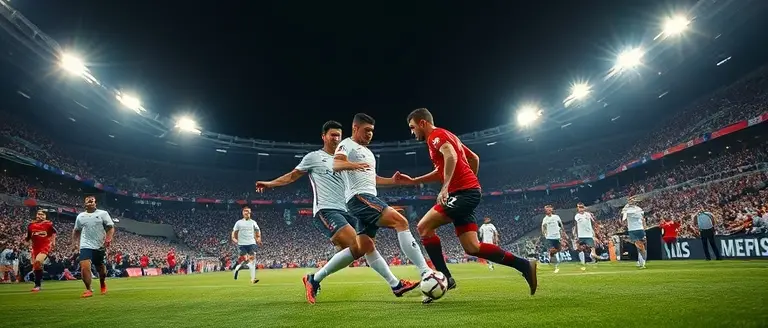
The atmosphere at Soldier Field in Chicago has reached a fever pitch as the USMNT takes the pitch for their ultimate preparation match against a tactical juggernaut. Facing Germany in this final USA vs. Germany soccer friendly is not merely a tune-up; it is a high-stakes litmus test designed to expose structural flaws before the 2026 FIFA World Cup begins. With historical data showing the Americans trailing in this series since 1993, the matchup provides the coaching staff with a rare opportunity to measure the squad’s defensive resilience against elite European opposition.
Why the Odds Favor the Visitors
Entering the match as significant underdogs at +380, the U.S. squad faced a stiff challenge from a German side favored at -170 on the moneyline. This spread reflects the reality of international soccer hierarchies, yet it also underscores the strategic value of this fixture:
- Tactical Calibration: The USMNT needed to test their press against Germany’s high-IQ midfield, a critical requirement for surviving the World Cup group stage.
- Pressure Simulation: Playing at Soldier Field provided a high-intensity environment that mimics the pressure of tournament play.
- Individual Metrics: For players like Folarin Balogun, the objective was to prove that elite finishing translates against top-tier global defenses.
This match serves as a definitive look at the current ceiling for USA soccer. While a loss or draw provides data points for improvement, a competitive performance offers tangible evidence that the USMNT can stand toe-to-toe with giants. The integration of young talent and the refinement of the tactical roadmap during this USMNT vs. Germany clash will dictate the team’s confidence levels as they transition from these friendly matches to the definitive start of the 2026 World Cup tournament.
Tactical Deep Dive: Coach Evaluations Under High-Pressure Conditions

The final USMNT friendly against Germany at Soldier Field provided a rigorous stress test for the coaching staff’s tactical framework ahead of the 2026 FIFA World Cup. Facing a powerhouse side, the USA soccer technical team opted for a fluid defensive shape designed to mitigate the German high press. Early evidence suggests that the shift from a traditional 4-3-3 to a more compact mid-block during build-up phases was an intentional pivot to deny space in the central channels. While Germany’s clinical finishing frequently exploited the half-spaces, the USA vs Germany soccer tactical battle highlighted a clear intent to prioritize defensive resilience over risky, high-line possession play.
Midfield Transitions and Substitutions
The effectiveness of the midfield transition remained the most debated aspect of this USMNT performance. When the team successfully bypassed the initial German pressure, Folarin Balogun often found himself isolated, signaling a need for better support structures from the secondary attacking line. Key observations include:
- Midfield Compactness: The tactical adjustment to tuck the wingers narrow successfully forced Germany into wider areas, though it left the fullbacks exposed to one-on-one isolations.
- Transition Speed: The transition from defensive turnover to attack was inconsistent; evidence suggests the team struggled to maintain tempo against a disciplined German defensive block.
- Impact of Substitutions: Late-game changes aimed at shifting the momentum were met with mixed results. While fresh legs provided an uptick in defensive energy, the lack of a creative playmaker in the final third prevented the USMNT from capitalizing on counter-attacking opportunities.
Ultimately, this match served as a vital data point for the coaching staff. By evaluating how the roster handled the intensity of USMNT vs Germany, the staff now possesses the necessary footage to refine their transition play and identify which personnel pairings offer the best tactical balance for the upcoming tournament pressure.
Performance Report Card: Defensive Stability and Attacking Sparks

The USMNT clash against Germany at Soldier Field provided a stark, high-stakes diagnostic of the team’s current trajectory heading into the 2026 FIFA World Cup. While the USA vs Germany soccer match resulted in a difficult scoreline for the hosts, the underlying metrics reveal a team capable of moments of brilliance against world-class opposition, albeit plagued by recurring defensive vulnerabilities.
Offensive Bright Spots and Balogun’s Impact
The most encouraging takeaway from this USA soccer performance was the clinical movement of Folarin Balogun. Despite limited service, Balogun demonstrated world-class intuition, consistently testing the German backline with intelligent runs into the channels. His ability to hold up play and create space for supporting midfielders was a significant tactical highlight.
- Balogun’s Efficiency: His off-the-ball movement forced German defenders into uncomfortable positions, proving that the USMNT possesses the requisite offensive firepower to challenge elite European sides.
- Attacking Transition: The transition play, particularly in the opening half, showed promise as the team exploited wide areas to create high-quality crossing opportunities.
Defensive Vulnerabilities and Structural Lapses
Conversely, the match exposed the defensive frailties that remain a point of concern. The US backline struggled with structural positioning, specifically during quick counters where Germany’s clinical finishing exploited gaps left by over-committed fullbacks. The lack of compactness between the midfield pivot and the center-backs allowed German playmakers too much time to dictate the tempo.
- Positional Discipline: Evidence suggests that the defensive transition speed was insufficient to cope with Germany’s rapid vertical passing.
- Tactical Adjustments: Future World Cup group stage strategies must emphasize a more conservative defensive shell when facing powerhouse opponents, ensuring that the backline does not get caught out of shape during offensive lulls.
For the USMNT, this friendly served as a necessary reality check. Bridging the gap between these offensive sparks and a more disciplined, ironclad defensive structure will be the defining mission for the coaching staff in the final days before the tournament officially kicks off.
Fan Sentiment: Is the USMNT Ready for the World Cup Spotlight?
The final USMNT friendly against Germany at Soldier Field has left supporters at a crossroads, balancing cautious optimism with the harsh reality of elite-level competition. While the betting markets heavily favored Germany at -170, the mood among the domestic fanbase reflects a nuanced assessment of the squad’s progress. Social media sentiment and post-match discussions highlight a shift in focus: supporters are no longer satisfied with simply competing; they are demanding a tactical identity that can survive the pressure of the upcoming 2026 FIFA World Cup.
Bridging the Gap Between Expectations and Reality
The gap between the underdog status (+380 moneyline) and the on-field tactical display suggests that the USMNT is technically evolving, though defensive consistency remains a primary concern. Fans are particularly vocal about the following areas of team readiness:
- Offensive Versatility: The role of Folarin Balogun as a clinical finisher has provided a much-needed focal point, with many fans noting that his movement against a disciplined German backline is a vital indicator of his readiness for group stage play.
- Defensive Reliability: Despite flashes of individual brilliance, the defensive breakdowns under sustained pressure remain a point of anxiety for supporters, sparking debates about the starting XI depth.
- Tactical Maturity: There is a growing consensus that the coaching staff’s adjustments during high-intensity friendlies like this one are critical. Supporters are closely monitoring whether the team can shift shapes mid-match to neutralize world-class midfields like Germany’s.
Ultimately, the match against Germany served as the ultimate litmus test. While the result may not have aligned with the most optimistic pre-match projections, the performance provided a roadmap for the areas requiring immediate refinement. Whether this USA vs. Germany soccer showdown proves to be a turning point or a wake-up call for the squad will be defined by how the team translates these high-profile lessons into tournament success this summer.
Fueling Your Own Championship Ambitions
The tactical battle against Germany proved that success in 2026 relies on unwavering endurance and peak performance when the pressure is at its absolute limit. Just as the USMNT requires elite conditioning to survive 90 minutes against the world’s best, your own daily performance demands a foundation of sustained vitality. You cannot afford to let fatigue dictate your focus, especially when the tournament schedule demands your full attention.
Maintaining peak internal health is the difference between simply watching the game and staying engaged in the action. Protoflow is designed to support foundational male vitality, mirroring the level of professional-grade readiness we expect from our athletes. By optimizing your biological performance, you ensure that your energy levels remain as consistent as a world-class midfielder, allowing you to stay focused throughout the high-stakes matches ahead.
Investing in your well-being today is the natural next step in your preparation for the tournament. Ensure you have the focus and physical endurance required to follow every tactical twist and turn on the road to the World Cup final.
 Discover how to optimize your own internal endurance and vitality for the long road to the World Cup final.Yes, I Want To Optimize My Performance Now!