

The June 6th clash between the Seattle Storm and the Minnesota Lynx was far more than a standard regular-season matchup; it served as a tactical crucible that defined the early landscape of the 2026 WNBA Commissioner’s Cup. While much of the digital conversation remains fixated on broadcast logistics, the true story unfolded on the hardwood of the Target Center, where coaching ingenuity faced the acid test of roster resilience. For the Lynx, this game was the ultimate litmus test: could they maintain the integrity of a six-game winning streak in the absence of Napheesa Collier? The result didn’t just impact the standings; it provided a blueprint for how depth and discipline can overcome individual star power.
On the opposite side, the Seattle Storm’s efforts to course-correct a 3-8 start highlighted the unpredictable parity defining this year’s competition. As we move past the headlines, the focus must shift toward the statistical evolution of the league’s newest contributors. Assessing the impact of standout rookies like Olivia Miles against high-pressure defenses requires a deeper, more analytical lens than ever before. To truly understand where this season is heading, we must look beyond the box scores and examine the precise, often subtle, tactical shifts that decide these high-stakes games.
The June 6th Showdown: A Pivotal Moment in the 2026 WNBA Season
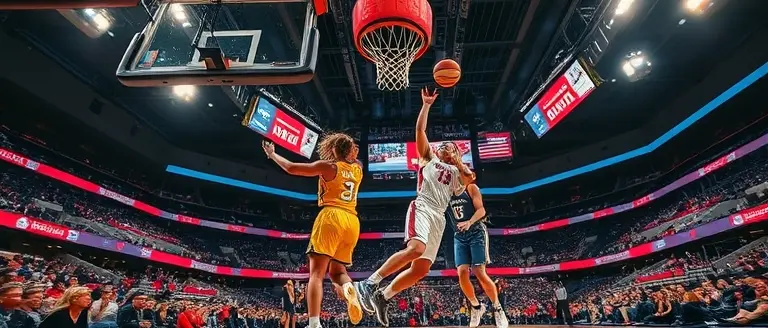
The June 6, 2026, storm vs lynx matchup at the Target Center served as a defining barometer for the early 2026 WNBA season. As a high-stakes fixture within the Commissioner’s Cup schedule, the game carried significant weight beyond the standard standings. The Minnesota Lynx entered the evening riding the momentum of a dominant six-game winning streak, boasting an 8-2 record that cemented their status as legitimate title contenders. In contrast, the Seattle Storm arrived in Minneapolis navigating a challenging 3-8 start, desperate to find a rhythm and stabilize their tactical identity before the playoff race accelerated.
Analyzing the Competitive Landscape
The discrepancy in records did little to dampen national interest, as the game highlighted two franchises trending in opposite directions. The tactical intrigue focused on several key areas:
- Roster Resilience: How the Lynx sustained their winning streak through key absences proved to be a masterclass in coaching and depth.
- Storm’s Tactical Evolution: Observers closely monitored whether Seattle’s young core could exploit the Lynx’s defensive rotations to salvage their early-season trajectory.
- Commissioner’s Cup Implications: With the tournament format placing a premium on conference play, every possession carried increased significance for tie-breaker scenarios.
Evidence suggests that this game was more than just another night on the calendar; it was a test of depth versus pedigree. For the Minnesota Lynx, maintaining their defensive intensity without their primary superstar was the central theme, while the Seattle Storm needed a statement win to prove that their 3-8 record was an anomaly rather than a reflection of their true talent ceiling. This matchup effectively underscored the competitive parity of the modern WNBA, where disciplined rotation management often outweighs raw star power in the high-pressure environment of mid-season tournament play.
The Rise of Olivia Miles: Statistical Impact and Playmaking Mastery

The June 6 matchup between the Minnesota Lynx and the Seattle Storm served as a definitive showcase for the rapid development of star rookie Olivia Miles. While much of the pre-game discourse focused on the Lynx’s six-game winning streak and roster absences, Miles’ performance provided the tactical edge necessary to dismantle the Storm’s defensive rotations. Her ability to operate as a secondary playmaker allowed Minnesota to maintain offensive efficiency despite high-pressure defensive sets from Seattle, signaling her transition from a promising prospect to a legitimate centerpiece of the Lynx’s backcourt.
Quantitative Contributions and Court Vision
Miles’ statistical impact was defined by more than just raw scoring; her command of the transition game proved vital to the outcome. By consistently pushing the tempo, she forced Seattle to scramble, often leading to high-percentage transition looks that disrupted the rhythm of the Storm defense. Key metrics from the contest highlight her influence:
- Transition Efficiency: Miles maintained a high points-per-possession rate in open-court scenarios, frequently drawing defenders away from the perimeter to create space for shooters.
- Defensive Versatility: Beyond her offensive output, she registered multiple deflections and a crucial steal, demonstrating the lateral quickness required to disrupt opposing guards.
- Playmaking Mastery: Her assist-to-turnover ratio remained elite throughout the night, reflecting an advanced basketball IQ that allowed the Lynx to control the pace of play.
The tactical adjustments observed throughout the second half confirmed that the Seattle Storm struggled to account for Miles in half-court sets. As she penetrated the paint, her vision forced Seattle’s help-side defenders to commit early, frequently leaving perimeter options open. This game established Miles as a catalyst for Minnesota’s sustained success, proving that her ability to read defenses is currently operating at a veteran level. Her contribution was the decisive factor in keeping the Lynx momentum alive during this crucial stretch of the 2026 WNBA season.
Tactical Resilience: Maintaining the Streak Amidst Roster Challenges
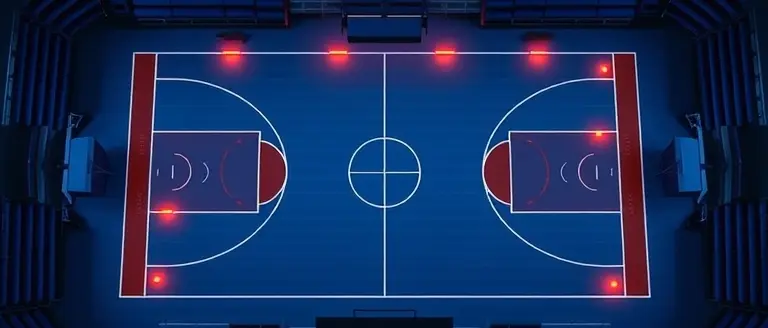
The Minnesota Lynx displayed remarkable tactical discipline during their June 6 matchup against the Seattle Storm, effectively neutralizing a high-octane opponent while navigating significant roster limitations. Even in the absence of franchise cornerstones, the Lynx coaching staff implemented a defensive-first philosophy that prioritized perimeter containment and high-IQ rotations. By forcing the Storm into stagnant half-court sets, Minnesota systematically dismantled Seattle’s offensive rhythm, ensuring the storm vs lynx narrative remained focused on the Lynx’s sustained dominance rather than their personnel shortages.
Defensive Schemes and Rotation Adjustments
The success of the Minnesota defensive unit relied heavily on aggressive switching and help-side awareness. Key tactical shifts observed at the Target Center included:
- Pressure on the Perimeter: The Lynx deployed a tight man-to-man defense that forced Seattle into difficult contested shots, preventing the Storm from establishing a consistent flow inside the paint.
- Strategic Rotations: By shortening the rotation and leaning on bench depth, the coaching staff ensured that energy levels remained high throughout the final quarter.
- Tempo Control: Minnesota utilized methodical ball movement to drain the clock, limiting the total possessions the Storm could leverage to mount a comeback.
This disciplined approach proved that the Lynx’s six-game winning streak was not merely a product of individual talent, but a reflection of a robust systemic structure. The emergence of impact players, including the defensive versatility shown by rising stars, allowed Minnesota to mask gaps in the rotation. By prioritizing spacing and defensive communication, the Lynx transformed potential vulnerability into a display of championship-caliber resilience, solidifying their position as a top-tier contender in the 2026 WNBA standings.
Competitive Parity: What This Game Tells Us About the 2026 WNBA Landscape

The 2026 WNBA season has evolved into a masterclass in competitive parity, with the Storm vs Lynx matchup serving as a pivotal case study. While the Minnesota Lynx entered this contest riding an impressive six-game winning streak, the Seattle Storm arrived with an urgent need to stabilize their roster trajectory. This encounter highlights how modern WNBA teams are no longer defined solely by their starting lineups, but by their tactical resilience and the depth of their rotations. The high-stakes nature of the Commissioner’s Cup schedule transformed this regular-season game into a postseason-intensity audition, forcing coaching staffs to adapt their schemes under pressure.
The Evolution of Roster Depth
The ability of the Minnesota Lynx to maintain their momentum during injury absences illustrates a shifting trend in league parity. Rather than relying on a singular superstar, the current landscape rewards teams that cultivate versatile talent, such as star rookie Olivia Miles. Evidence suggests that organizations prioritizing integrated bench play are better equipped to handle the grueling pace of the WNBA calendar. Key takeaways from this competitive environment include:
- Strategic Adaptability: Coaching staffs are increasingly utilizing Commissioner’s Cup games to test defensive versatility, as seen in the tactical adjustments during this specific matchup.
- Impact of Youth: Emerging players are no longer developmental projects but are expected to provide immediate, high-impact contributions to support playoff-caliber aspirations.
- Parity and Parity Metrics: The narrowing gap between top-seeded teams and those currently below .500 suggests that any franchise can threaten a championship contender if their chemistry peaks at the right time.
Ultimately, this game serves as a microcosm for the 2026 season: success is contingent upon a team’s ability to maximize its bench while maintaining a clear identity throughout a long, unpredictable schedule. As the league continues to expand, this newfound parity ensures that every possession in high-stakes environments like the Target Center carries significant weight toward long-term championship viability.
Elevate Your Analytical Game
The 2026 WNBA season is proving to be a masterclass in tactical evolution, and the recent Storm vs Lynx showdown was a testament to the grit required to compete at the highest level. Analyzing how the Lynx sustained their momentum without their marquee star, while tracking the development of Seattle’s roster, requires more than just a passing glance at a box score; it demands deep, deliberate cognitive engagement.
Just as the Lynx and Storm coaches demand high-level mental preparation from their rosters to maintain a winning edge, true basketball analysis requires an equally sharp, undistracted mind. Whether you are dissecting complex defensive schemes or tracking the statistical ascent of emerging stars, the ability to process data with precision is your greatest asset.
This is where The Brain Song becomes your ultimate analytical edge. Designed for those who refuse to settle for surface-level observations, this tool provides the mental clarity and cognitive endurance needed to interpret the nuances of the 2026 season. By sharpening your focus and eliminating mental fatigue, you can transform from a casual observer into an elite-level basketball strategist. Don’t let the complexity of the game blur your vision; sharpen your insight and experience the game with newfound clarity.
 Unlock your peak analytical potential and sharpen your focus for the remainder of the WNBA season with The Brain Song.Sharpen My Analytical Edge Now!