
Across the globe, from the nationwide grid collapse in Jamaica to localized infrastructure stress points here in the United States, the fragility of our power supply has taken center stage. When a power outage strikes, the immediate impulse is to check the news, yet these events serve as a stark reminder that regional grid stability is increasingly unpredictable during summer heat waves. While we cannot control systemic failures, the transition from passive victim to proactive homeowner is essential in today’s landscape.
True personal resilience goes beyond simply owning a backup generator or a portable solar unit; it requires a strategic approach to how you integrate these tools into your home environment. Many homeowners fail to realize that the lack of dedicated, secure storage for critical energy gear turns potential lifesavers into disorganized risks. To navigate the current era of energy instability, you must move beyond temporary fixes and begin building the infrastructure that ensures your home remains connected, organized, and prepared when the lights go out.
Global Grid Instability: Understanding Today’s Coincidental Power Outages
On June 6, 2026, social media and news outlets worldwide have been dominated by reports of a power outage, sparking widespread concern regarding the fragility of global energy infrastructure. It is critical to distinguish these events: despite the simultaneous timing, evidence confirms that these are unrelated, localized incidents rather than a singular, systemic failure of the global power grid. The most prominent incident is a nationwide blackout in Jamaica, where government officials, including Energy Minister Daryl Vaz, have officially categorized the disruption as unacceptable while working toward a full restoration of services.
Concurrent with the situation in the Caribbean, other regions are navigating their own unique energy challenges:
- Eagle Mountain, USA: A localized disruption has affected approximately 2,700 users, highlighting the commonality of distribution-level failures during periods of high demand.
- Visayas, Philippines: Grid operators have issued a ‘yellow alert,’ signaling thinning reserve margins that require careful monitoring to prevent rolling blackouts.
- Iraq: Ongoing energy instability continues to plague the region, acting as a reminder of the differing structural challenges facing developing nations compared to localized technical faults in more stable grids.
These events, while frustrating for those affected, are not interconnected. The perception of a global crisis is largely driven by the high visibility of the Jamaican blackout and the heightened sensitivity to energy reliability as summer heat waves begin to stress regional grids. For residents in affected areas, verifying whether an outage is part of a larger systemic failure or a localized equipment malfunction is the first step in emergency planning. By separating these distinct infrastructure issues, we can better understand the current landscape of power reliability and the necessary steps for personal, home-based grid independence.
Summer Heat Waves and Grid Stress: Lessons from Regional Instability
The recent energy instability in regions like Iraq and the Visayas serves as a stark reminder of how vulnerable modern power grids become during extreme temperature spikes. When ambient temperatures soar, air conditioning demand surges simultaneously across residential and commercial sectors, creating a “perfect storm” for utility providers. In the United States, this mirrors the structural challenges faced by regional transmission organizations (RTOs) during summer heat waves. When demand exceeds available capacity, grid operators must initiate rolling blackouts—a controlled measure designed to prevent catastrophic, long-term damage to the high-voltage electrical infrastructure. Without these preemptive disruptions, a localized power outage could rapidly cascade into a systemic failure, potentially impacting millions of homes for extended periods.
Monitoring Your Local Grid Health
Homeowners often underestimate the correlation between high heat and potential service loss. Unlike localized accidents, such as a downed transformer from a vehicle strike, grid stress events are predictable. To protect your household, you should actively monitor utility alerts and understand the stages of grid stress:
- Grid Alert: A warning that reserve energy levels are low; operators are closely monitoring demand.
- Energy Emergency Level 1: Reserves are thin; consumers are encouraged to conserve electricity by adjusting thermostats.
- Energy Emergency Level 2: Demand is nearing capacity; involuntary load shedding or rolling blackouts are now probable.
- Energy Emergency Level 3: The grid is at maximum capacity; power must be cut to specific sectors to save the overall system from collapse.
Historical data suggests that summer months remain the most vulnerable window for infrastructure failure. As you navigate these seasonal risks, verify your local utility provider’s communication protocols. Signing up for text or email notifications ensures you are not caught off guard by emergency load-shedding events, allowing you to prioritize powering essential medical devices or securing your smart-home environment before the grid reaches a breaking point. Proactive observation remains the most effective tool in mitigating the impact of an unavoidable power outage.
Immediate Action Plan: Protecting Your Home During Unplanned Outages
When a power outage strikes, the first sixty minutes are critical for protecting your home’s infrastructure and your family’s safety. Whether you are dealing with a localized fault—like those seen recently in Eagle Mountain—or a larger, systemic failure similar to the infrastructure challenges currently impacting the global energy landscape, your response should be systematic.
Secure Sensitive Electronics
The most common cause of permanent hardware damage during a grid failure is a power surge that occurs the moment electricity is restored. To mitigate this risk, immediately unplug or switch off sensitive electronics, including desktop computers, smart TVs, and high-end gaming consoles. If you have not already installed whole-house surge protection, ensure that your most expensive appliances are disconnected until the grid has stabilized for at least 30 minutes following restoration.
Status Reporting and Communication Protocols
Do not assume your utility provider is aware of your specific address’s status. Follow these steps to verify the situation:
- Check Utility Maps: Access your local provider’s official outage portal via a cellular data connection. These maps differentiate between local residential incidents and broad regional outages.
- Conserve Battery: Switch your smartphone to “Power Saving Mode” and disable background apps to extend connectivity for emergency alerts.
- Stay Informed: Monitor verified government social media accounts or trusted local news feeds rather than relying on unverified neighborhood speculation.
Climate Control and Food Safety
During an unplanned power outage, maintaining internal temperatures and food integrity is a priority. Keep refrigerator and freezer doors closed as much as possible; a closed refrigerator will keep food cold for approximately four hours, while a full freezer can maintain temperatures for up to 48 hours. If the outage extends beyond this window, prioritize consuming perishables. Additionally, avoid running portable generators indoors or in enclosed garages, as carbon monoxide poisoning remains a significant risk during these events. By taking these preemptive measures, you safeguard your property and maintain a higher level of personal resilience against unpredictable grid instability.
Investing in Reliability: Solar Generators and Backup Power Solutions
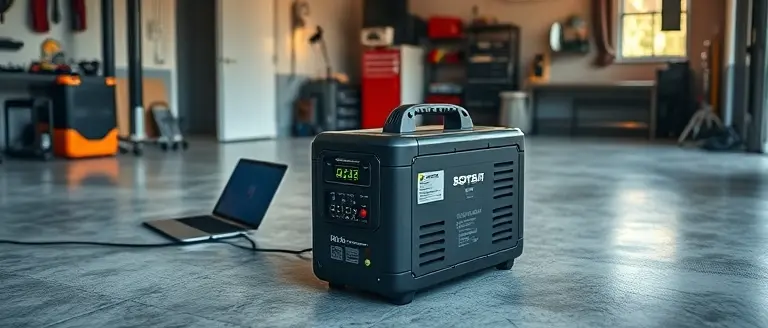
As recent grid instabilities in regions ranging from Jamaica to the Philippines highlight, the frequency and unpredictability of a power outage necessitate a shift toward proactive home resilience. While traditional fossil-fuel-burning generators have long been the standard for emergency backup, they present significant drawbacks, including carbon monoxide risks, high maintenance, and the need for volatile fuel storage. Modern homeowners are increasingly transitioning to solar-powered battery stations, which offer a quieter, cleaner, and safer alternative for indoor operation. Unlike traditional engines that require outdoor ventilation, high-capacity lithium-iron-phosphate (LiFePO4) solar generators can be safely placed in a living space to power essential smart-home devices, communication equipment, and medical peripherals during a systemic grid failure.
Assessing Capacity Requirements for Critical Loads
To build an effective defense against future energy instability, homeowners must conduct a rigorous audit of their essential loads. A reliable backup strategy depends on matching battery capacity (measured in watt-hours) and inverter output (measured in watts) to your specific needs. When preparing for an unplanned outage, prioritize your equipment based on the following:
- Essential Preservation: Keep refrigerators and freezers running to prevent food spoilage, typically requiring a unit that can handle high startup surge wattage.
- Communication Connectivity: Powering Wi-Fi routers and charging mobile devices is critical for staying updated during a regional infrastructure failure.
- Lighting and Security: LED lighting and home alarm systems consume minimal energy, making them ideal candidates for extended runtime on portable power stations.
- Environmental Control: While large air conditioning units may be impractical for small batteries, portable fans are highly efficient for maintaining safety during summer heat waves.
Investing in a modular solar generator system allows for scalability, letting you add expansion batteries or supplemental solar panels as your budget and needs grow. This roadmap to energy independence ensures that while your neighbors may be caught off-guard by the next disruption, your household remains operational and connected through the most challenging periods of grid stress.
Build Your Ultimate Home Resilience Station
As the recent waves of power outages from Jamaica to the US highlight, true energy security is no longer just a luxury—it is a fundamental pillar of modern home management. While stockpiling solar generators and deep-cycle batteries is a vital first step, the chaotic reality of an emergency often turns these expensive assets into cluttered, unprotected hazards in your garage or basement. The difference between panic and preparedness lies in your ability to organize and secure your vital infrastructure effectively.
This is where your journey toward true self-reliance shifts from passive observation to active construction. While having the right equipment is essential, keeping your power gear safely housed and weather-protected is what keeps your home running when the grid fails. By applying professional woodworking techniques, you can transform a messy corner of your utility room into a dedicated, disaster-ready home power station that is both aesthetic and functional.
Ted’s Woodworking is the definitive technical toolkit for the resilient homeowner. By providing professional-grade blueprints, it removes the guesswork and trial-and-error frustration often associated with complex DIY builds. Whether you are constructing a secure cabinet for your off-grid batteries or a weather-resistant housing for your solar power banks, our comprehensive library ensures your home infrastructure is stable, space-efficient, and reliable. Stop worrying about grid instability and start building the foundation of your family’s safety today.
 Access our library of 16,000 professional blueprints to start building your custom, disaster-ready home power station today.Secure My Home Infrastructure Now!