
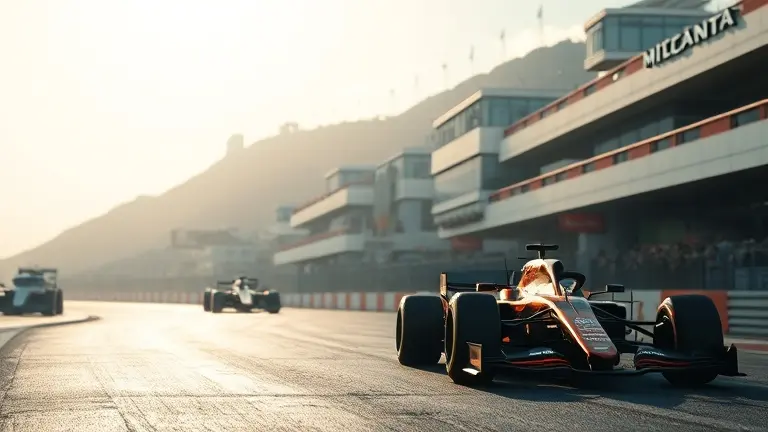
The 2026 Monaco Grand Prix has descended upon the Principality not merely as a race, but as a high-stakes laboratory for the most significant technical revolution in modern Formula 1 history. As the field battles through the unforgiving, narrow confines of Monte Carlo, all eyes are locked on the dramatic tension between the championship-leading performance of rookie sensation Kimi Antonelli and the gritty, legacy-defining resurgence of Lewis Hamilton in his Ferrari. With the grid grappling with unprecedented shifts in active aero limits and energy management systems, the circuit has become the ultimate proving ground for vehicle development strategy.
Beyond the adrenaline of the race, this weekend also marks a historic milestone as McLaren celebrates its 1000th Grand Prix. While the media focuses on the lap times, the true story lies in the engineering precision required to master the new 2026 regulatory framework. For the dedicated enthusiast, understanding the intersection of complex mechanical design and structural performance is essential. Just as a race car’s success depends on the meticulous alignment of its components, every great project requires an unwavering commitment to blueprint-level accuracy—a philosophy that connects the elite garages of F1 to the workshop of the master craftsman.
The 2026 Monaco Grand Prix: A Weekend of Records and Rookies
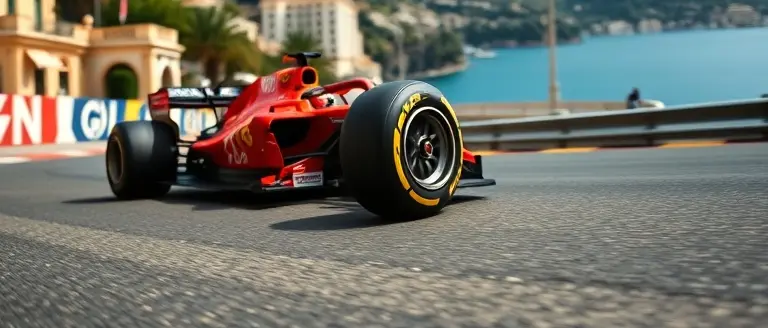
The Formula 1 Louis Vuitton Grand Prix de Monaco 2026 is proving to be a watershed moment in motorsport history. As the 6th round of the championship, the weekend of June 5–7 has transformed the narrow, unforgiving streets of Monte Carlo into a high-stakes arena where legacy meets raw potential. Amidst the tightest technical regulations in recent memory, the narrative is being driven by two distinct stories: the meteoric rise of Kimi Antonelli and the emotional, high-performance resurgence of Lewis Hamilton in his debut season with Ferrari.
The Antonelli Factor and the Hamilton Resurgence
Kimi Antonelli enters this weekend with a formidable 40-plus point lead in the drivers’ championship, cementing his status as the driver to beat in 2026. While the rookie faces the immense pressure of the Monte Carlo street circuit—renowned for its lack of overtaking opportunities—his composure during the opening practice sessions has silenced critics who doubted his readiness for a title charge. Conversely, the garage atmosphere is electrified by Lewis Hamilton, who set the pace during Friday’s free practice sessions. Hamilton’s performance, characterized by late-braking precision and masterful car control, suggests that the Ferrari challenger is finally unlocking the performance potential needed to disrupt the current status quo.
A Historic Milestone for McLaren
Beyond the championship battle, the paddock is celebrating a major historical milestone: the 1000th Grand Prix for McLaren Racing. This achievement serves as a poignant reminder of the team’s enduring influence on the sport. As teams navigate the complexities of 2026’s technical regulations—specifically the limitations on active aero and shifting energy modes—McLaren’s veteran presence provides a stabilizing counterpoint to the volatile, high-stakes nature of the current season. This race is not just a test of engineering development; it is a battle for position in the record books. Key dynamics to watch as the weekend concludes include:
- Championship Pressure: Whether Antonelli can maintain his points buffer under the intense scrutiny of the street circuit.
- Ferrari’s Pace: Can Hamilton sustain his Friday form to challenge for a podium finish in his Ferrari debut campaign?
- Technical Adaptability: How mid-field teams balance the new energy management constraints against the unique demands of Monaco’s circuit.
Technical Revolution: How the 2026 Regulations Change Monaco
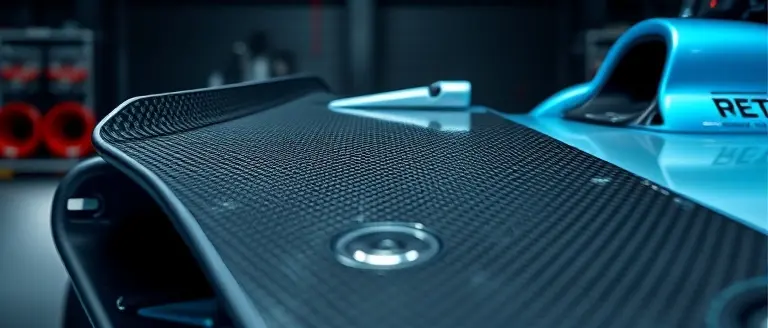
The 2026 Formula 1 World Championship has fundamentally altered the engineering landscape, nowhere more apparent than at the narrow, unforgiving confines of the Monaco Grand Prix. Under the new technical regulations, teams have had to completely rethink their vehicle architecture, specifically regarding active aero limits and energy mode shifts. Unlike previous seasons where mechanical grip reigned supreme, the 2026 cars require a complex balancing act between high-downforce configurations for the legendary hairpin and low-drag efficiency for the tunnel section. Engineers are now grappling with these constraints in real-time, as the car’s automated aero-surfaces must predict corner entry and exit speeds with unprecedented precision.
The Impact of Active Aero and Energy Management
The shift to these regulations has created a distinct competitive hierarchy. Because the circuit does not allow for long, high-speed straights to recharge energy stores effectively, teams are struggling to optimize their deployment patterns. The current technical divide is evident in:
- Active Aero Sensitivity: The inability to manually adjust downforce levels mid-corner has forced teams to find a “goldilocks” setting that keeps the rear end planted through the treacherous swimming pool chicane without sacrificing speed on the start-finish straight.
- Energy Mode Optimization: With stricter limits on electric power output, teams like Mercedes have managed to maximize battery recovery under heavy braking, providing a distinct advantage over competitors who are currently struggling with deployment spikes.
- Weight and Agility: The sheer mass of the 2026 units makes physical maneuvers in Monaco’s tight sectors more taxing, putting a premium on driver skill and tire longevity.
Evidence from the practice sessions suggests that the front-runners have successfully integrated their software to manage these shifts, while midfield teams are still battling erratic vehicle behavior. As the race progresses, the ability to manage these technical regulatory changes without compromising race pace will ultimately determine whether challengers can bridge the gap to the championship-leading rookies. This delicate interplay between software-driven aero and raw mechanical grip defines the new era of racing at the Louis Vuitton Grand Prix de Monaco 2026.
The Technical Gap: Ferrari vs. Mercedes Performance Analysis
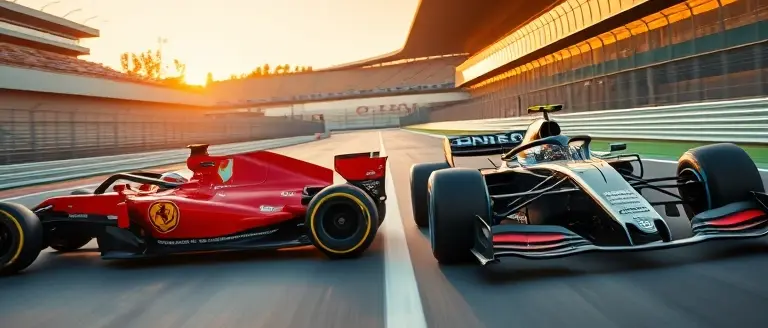
The 2026 season has redefined the competitive hierarchy of Formula 1, placing the Monaco Grand Prix at the heart of a fascinating engineering tug-of-war between the runaway championship leader, Kimi Antonelli’s Mercedes, and the resurgent Ferrari piloted by Lewis Hamilton. While Antonelli has maintained a dominant 40+ point lead throughout the season, the tight, twisty confines of Monte Carlo have exposed unique performance disparities linked to the 2026 technical regulation changes.
Suspension Geometry and Mechanical Grip
The primary reason for Ferrari’s sudden surge in performance during the Monaco practice sessions lies in their specific approach to suspension geometry. Under the new rules, teams have limited control over active aero, forcing them to rely heavily on mechanical grip to navigate the bumps of the street circuit. Ferrari’s design allows for superior compliance over the curbs at the chicane and the swimming pool section, keeping the tire contact patch stable where the Mercedes chassis—optimized for high-speed aero efficiency—has struggled to find equivalent traction.
ERS Deployment and Efficiency
Beyond the chassis, the energy recovery system (ERS) deployment is proving to be the differentiator in this high-stakes weekend. Evidence suggests that Ferrari has unlocked a more granular control over energy deployment, allowing Hamilton to maximize acceleration out of the slow-speed hairpins. Key technical factors include:
- Torque Mapping: Ferrari’s engine department has optimized the deployment of electric power to mitigate the lack of downforce inherent in the 2026 regulations.
- Energy Management: While Mercedes focuses on high-speed circuit performance, Ferrari’s strategy prioritizes rapid ERS discharge, which is essential for the stop-start nature of the Monaco layout.
- Actuator Integration: Unlike the mid-field teams like Audi, both Ferrari and Mercedes have refined their aero-actuator integration, but Ferrari’s current configuration appears better suited for the high-downforce demand of the principality.
As the weekend progresses, the battle between Mercedes’ championship-winning momentum and Ferrari’s superior low-speed chassis setup remains the most compelling technical narrative of the 2026 season. Whether Hamilton can maintain this edge through qualifying will determine if the Monaco Grand Prix serves as a temporary reprieve for his legacy or a genuine turning point for Ferrari’s title aspirations.
McLaren’s 1000th Grand Prix: A Milestone in Formula 1 History
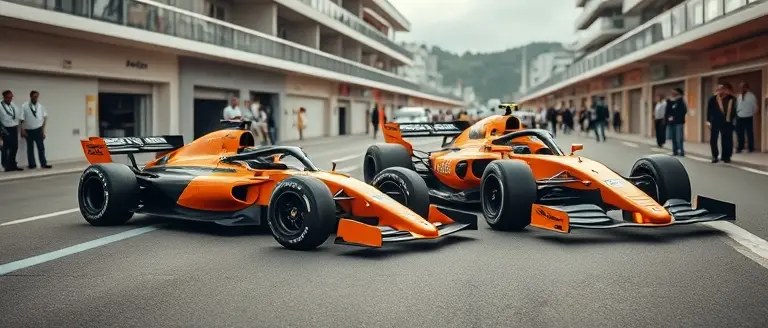
As the Formula 1 Louis Vuitton Grand Prix de Monaco 2026 unfolds, the sport celebrates a momentous milestone: McLaren’s 1000th Grand Prix. Since their debut in 1966 at the Monaco Grand Prix, the Woking-based outfit has evolved from a boutique racing operation into a titan of motorsport engineering. This century-mark milestone is not merely a numerical achievement; it represents decades of technical innovation, from pioneering carbon-fiber monocoques in the 1980s to navigating the complex aerodynamic shifts of the modern era. For fans diving into the history of the Monaco Grand Prix, McLaren’s legacy is inextricably linked to the narrow, unforgiving streets of Monte Carlo, where the team has claimed some of its most iconic victories.
Technical Evolution and the 2026 Challenge
The current 2026 season presents a distinct set of hurdles that mirror the team’s historical propensity for disruptive design. With the introduction of new technical regulations—specifically concerning active aero limits and energy management—McLaren finds itself balancing heritage with the demands of a high-stakes championship.
Key historical pillars defining the McLaren narrative include:
- Pioneering Spirit: The integration of the MP4/1, the first carbon-fiber chassis, which changed safety and performance standards forever.
- Driver Legacies: The legendary partnerships that defined dominance, including the Ayrton Senna era, which remains the gold standard for success on the Monaco circuit.
- Resilience: The team’s ability to pivot through multiple ownership and regulatory cycles, remaining a constant challenger amidst shifting global technical landscapes.
While the current championship race is dominated by the surging Kimi Antonelli and the high-profile transition of Lewis Hamilton to Ferrari, McLaren’s 1000th race serves as a poignant reminder of the institutional knowledge required to survive and thrive in Formula 1. Whether navigating the high-downforce requirements of the 2026 car or honoring the technical breakthroughs of the past, McLaren’s presence at this year’s event cements its status as a foundational pillar of the sport. As the team celebrates this historic weekend, the focus remains on whether their developmental trajectory can match the technical rigor demanded by the world’s most prestigious street circuit.
How to Watch the Rest of the Monaco Grand Prix Weekend

The Formula 1 Louis Vuitton Grand Prix de Monaco 2026 is reaching its critical climax this weekend, and fans across the United States have multiple options to catch the high-stakes qualifying sessions and the main race. Given the 2026 technical regulation changes—including the new active aero limits and modified energy mode shifts—viewing these sessions in real-time is essential for understanding how cars are handling the notoriously tight Monte Carlo street circuit. Whether you are tracking the championship-leading performance of Kimi Antonelli or monitoring Lewis Hamilton’s highly anticipated run with Ferrari, global broadcasts remain the best way to witness this technical evolution.
Broadcast and Streaming Options
For viewers in the United States, live coverage of the remaining weekend schedule is primarily facilitated through ESPN’s broadcasting network. You can access the action via the following platforms:
- Television: The main race and qualifying sessions are broadcast live on ESPN or ESPN2. Please verify your local listings for specific channel assignments as they occasionally shift during the weekend.
- Streaming Services: If you are a cord-cutter, you can stream the Monaco Grand Prix live via ESPN+, the ESPN App, or major live-TV streaming services such as FuboTV, Hulu + Live TV, and YouTube TV.
- F1 TV Pro: For the most immersive experience, F1 TV Pro offers comprehensive coverage, including onboard cameras, team radio, and expert data overlays that are crucial for tracking the new 2026 technical dynamics.
Staying Updated with Live Data
Beyond traditional broadcasting, staying connected to live metrics is vital for understanding why teams like Audi or McLaren are making specific setup adjustments. We recommend utilizing the Official F1 Timing App or the live timing feature on the official Formula 1 website to monitor sector times and gap analysis in real-time. With McLaren celebrating their 1000th Grand Prix this weekend, archival footage and commemorative content are also streaming on official F1 social channels, providing deeper context to the history of this legendary street circuit. Ensure you check your local time zone against the Central European Summer Time (CEST) start times to avoid missing the race start on Sunday afternoon.
Precision Engineering Beyond the Track
The 2026 Monaco Grand Prix serves as a masterclass in adaptation, proving that success—whether on the asphalt of Monte Carlo or in the workshop—is defined by how one navigates complex constraints. Just as Formula 1 engineers are currently fighting for every millisecond of performance under new, rigid regulatory limits, the true mark of mastery lies in your ability to translate a complex vision into a flawless, functional reality.
If the technical precision of this year’s championship has ignited a desire to refine your own craftsmanship, you are likely ready to move beyond the basics. Mastery requires more than just passion; it demands the right technical blueprint. Just as Lewis Hamilton and Kimi Antonelli rely on thousands of hours of simulation and rigorous design data, you can now access the same level of structural intelligence for your own projects.
Ted’s Woodworking provides the ‘Engineering Standard’ for those who refuse to compromise on quality. By bridging the gap between mechanical complexity and practical execution, these professional-grade blueprints ensure that your builds possess the same structural integrity and precision that define a world-class racing machine. It is the natural next step for anyone who views technical challenges not as obstacles, but as a blueprint for excellence.
 Master the art of the perfect build: Access over 16,000 professional-grade technical blueprints here.Transform My Projects Into Engineering Masterpieces Now!