
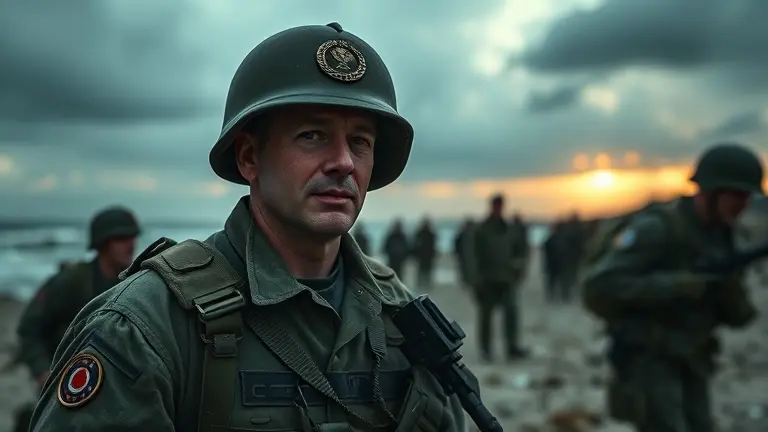
June 6, 1944, stands as a defining moment in human history, a day when the tide of World War II shifted on the blood-soaked sands of Normandy. As we reach the 82nd anniversary in 2026, the global focus once again shifts to the 160,000 Allied troops who initiated the liberation of Western Europe. While modern media coverage rightly highlights the somber ceremonies and the dwindling ranks of the last living veterans, there is a profound, growing desire to move beyond headlines and deeply engage with the technical and human scale of this monumental event.
To truly honor the legacy of D-Day, we must look closer at the logistical genius and the individual bravery that defined the mission. Whether exploring the specific roles of the 4th Infantry Division or analyzing the strategic engineering behind the invasion’s maritime success, connecting with the history of 1944 requires more than just passive observation. It demands an appreciation for the artifacts and the craftsmanship that defined the era, inviting us to explore how we can personally preserve these stories through a dedicated, hands-on lens.
,slug:
The 82nd Anniversary: Honoring the Legacy of D-Day 1944

June 6, 2026, marks the 82nd anniversary of D-Day, a watershed moment in military history that remains etched in the global consciousness. As world leaders, military delegations, and a dwindling number of precious survivors gather on the historic beaches of Normandy, the focus rests heavily on the immense scale of the 1944 Allied operation. Known as Operation Overlord, this massive amphibious assault saw over 160,000 Allied troops storm the French coast, initiating the liberation of Western Europe from Nazi control. This year’s commemoration serves as a poignant reminder of the logistical complexity and extreme bravery required to shift the tide of World War II.
A Global Moment of Remembrance
The ceremonies in France are not merely procedural; they reflect the enduring geopolitical importance of the coalition formed in 1944. The presence of international dignitaries underscores the unity required to defeat fascism, a theme that resonates deeply in modern political discourse. Key commemorative elements include:
- Veterans’ Honors: Soldiers from modern units, such as the 4th Infantry Division, provide living links to the heroes of the past, bridging the 82-year gap through memorial services.
- Educational Outreach: Museums and historic sites utilize the anniversary to shift from live-reporting to long-term preservation, ensuring younger generations understand the strategic necessity of the Normandy landings.
- Civic Engagement: Local initiatives, including discounted access to maritime museums like the LST 325, encourage public participation in keeping history alive.
The weight of June 6, 1944, is amplified as the eyewitness generation grows smaller. Every tribute, wreath-laying, and moment of silence held across Normandy serves to anchor the historical sacrifice in the present. By honoring those who landed on those fortified shores, the international community ensures that the strategic, human, and moral lessons of the D-Day invasion are never relegated to mere footnotes in a history textbook.
Beyond the Beachhead: The Strategic Necessity of Operation Overlord
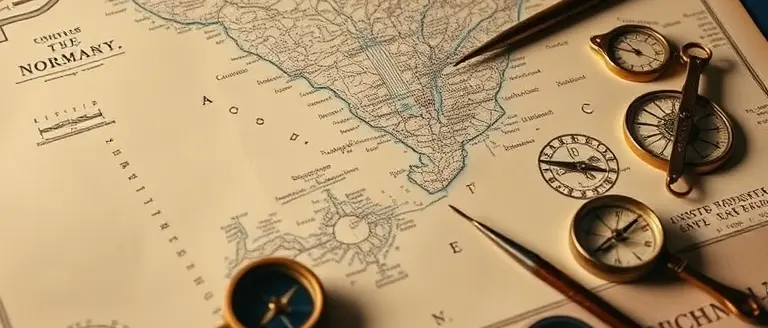
The success of D-Day on June 6, 1944, was not merely a feat of bravery but a masterclass in strategic logistics and deception. Operation Overlord was necessitated by the need for a permanent Allied foothold in Western Europe to break the German “Atlantic Wall.” Normandy was selected over the shorter route to Pas-de-Calais primarily because it was less heavily fortified, allowing the Allies to achieve the element of surprise. By creating a multi-front war, the Allies forced the Wehrmacht to spread its reserves thin, effectively sealing the fate of the Third Reich.
The Logistics of Victory
The operation required unprecedented engineering ingenuity, most notably the implementation of Mulberry harbors. Because the Allies lacked a major deep-water port in the early stages, they constructed these massive artificial, portable harbors and towed them across the English Channel. This logistical miracle allowed for the continuous offloading of heavy artillery, tanks, and tens of thousands of tons of supplies essential for the liberation of France.
Turning the Tide of WWII
The strategic importance of the Normandy landings cannot be overstated. By successfully establishing a beachhead, the Allied forces achieved several critical objectives:
- Strategic Diversion: It compelled Germany to engage in a war on two fronts, draining resources from the Eastern Front.
- Supply Chain Integrity: The stabilization of supply lines through ports like Cherbourg ensured that the Allied momentum remained unstoppable following the initial breakout.
- Air Superiority: The capture of local airfields provided the Allied air forces with the proximity needed to suppress enemy transport and logistics throughout occupied Europe.
Today, as we mark the 82nd anniversary, it is clear that the operation’s success served as the essential turning point for the Allied victory. The meticulous planning involved in coordinating the 160,000 troops who landed on that day remains a foundational case study in modern military doctrine and international alliance cooperation.
Voices from the Front: Personal Narratives and Private Correspondence

As the world marks the 82nd anniversary of June 6, 1944, the massive scope of the Normandy landings is often distilled into maps and strategic objectives. However, the true legacy of D-Day resides in the personal archives of those who surged onto the beaches of France. Letters written in the damp, claustrophobic quarters of landing craft reveal a profound duality: the crushing weight of impending mortality contrasted with a resolute sense of duty to liberate Western Europe. These documents offer an essential human-centric lens, reminding us that behind the 160,000 Allied troops were individuals grappling with the profound reality of a conflict that would change the world forever.
Fragments of Courage and Doubt
Private correspondence from soldiers of the 4th Infantry Division and other units highlights the emotional spectrum of the invasion. Many soldiers opted to write final letters home, carefully hidden in their rucksacks, expressing not fear, but a desperate desire to ensure their families knew they fought for a purpose greater than themselves. These diaries often contain:
- The Routine of Anticipation: Descriptions of the mundane activities—sharpening bayonets, checking radio frequencies, and playing cards—designed to mask the mounting psychological tension.
- Reflections on Home: Frequent references to American landscapes, mothers, and sweethearts, serving as the psychological anchors for men about to face the Atlantic Wall.
- The Acceptance of Sacrifice: A recurring theme of “fighting for the next generation,” a sentiment that resonates deeply during these 2026 commemorations.
By analyzing these personal accounts, we gain a clearer understanding of the psychological toll of the Normandy landings. While the military history provides the framework for victory, these voices provide the soul. Even 82 years later, the raw, unfiltered honesty found in these diaries serves as a bridge, connecting modern observers to the reality of the front line and ensuring the names of those who were lost are never merely statistics in an academic ledger.
Logistics and Warfare: A Technical Comparison of 1944 vs. Modern Capabilities
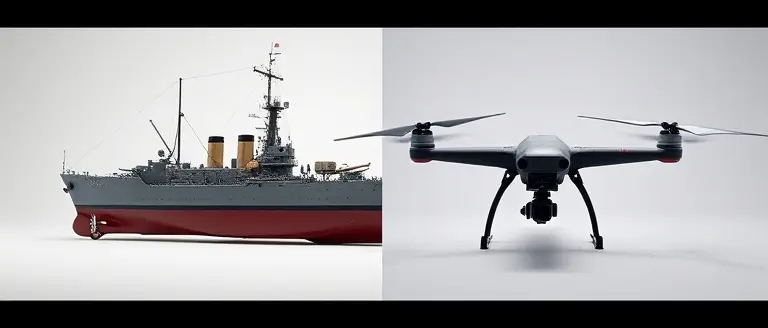
The landing operations on June 6, 1944, represented the largest amphibious invasion in human history, requiring a level of logistical coordination that remains a benchmark for military planners. During D-Day, the Allied forces relied on a massive sea-based supply chain, utilizing thousands of ships to transport 160,000 troops, thousands of vehicles, and vast quantities of fuel and ammunition. Command and control were limited by the technology of the era; commanders relied on basic radar, physical maps, and radio transmissions that were often subject to interference, environmental conditions, or interception. The “fog of war” was a tangible obstacle, as decentralized units had to execute complex maneuvers with limited real-time communication from high command.
In stark contrast, modern military operations have been transformed by the digital revolution. Today’s logistics are underpinned by satellite-guided precision, allowing for the real-time tracking of every supply crate and vehicle across a global theater. Where the 1944 invasion relied on paper charts and visual signaling, contemporary warfare utilizes:
- Real-time Data Streaming: Commanders now possess a Common Operational Picture (COP) fed by drones, sensors, and satellite imagery, providing instantaneous awareness of battlefield conditions.
- Autonomous Transport Systems: While D-Day required human-operated landing craft vulnerable to tides and enemy fire, modern logistics incorporate autonomous cargo drones and self-driving ground vehicles to mitigate risk to personnel.
- Precision Logistics: Advanced predictive analytics allow for “just-in-time” supply chains, reducing the massive stockpiles that were once necessary to sustain forces after the initial breach of enemy lines.
While the fundamental requirement to secure a bridgehead remains unchanged, the transition from analog mechanical coordination to digital network-centric warfare has drastically altered the speed and efficacy of troop deployment. Analyzing the contrast between the historic challenges of the Normandy landings and the technological supremacy of modern forces highlights the incredible human fortitude required to succeed in 1944 without the digital infrastructure we take for granted today.
Preserving History Through Masterful Craftsmanship
As we commemorate the 82nd anniversary of D-Day, the lessons of June 6, 1944, remind us that true history is not found in dusty textbooks, but in the enduring spirit of those who changed the world. By delving into the strategic complexities and the raw human stories of the Normandy landings, we ensure that the sacrifices made on those beaches are never forgotten by future generations.
While scholars analyze the grand strategies, a new movement of history enthusiasts is choosing to physically reconnect with the past. By building high-fidelity scale replicas of the iconic LSTs and military equipment used on that day, you can transform abstract historical research into a tangible, commemorative artifact. This hands-on approach offers a unique way to honor the legacy of the Allied forces through precise, workshop-tested craftsmanship.
Ted’s Woodworking provides the ultimate toolkit for the modern history-builder, offering 16,000 professional blueprints that ensure historical accuracy for your preservation projects. Whether you are recreating a landing craft or a piece of field equipment, these plans bridge the gap between historical appreciation and practical application, allowing you to build a museum-quality piece that stands as a testament to the courage of 1944.
 Start your own historical preservation project today with 16,000 professional woodworking plans.Yes, I Want to Build History Now!