
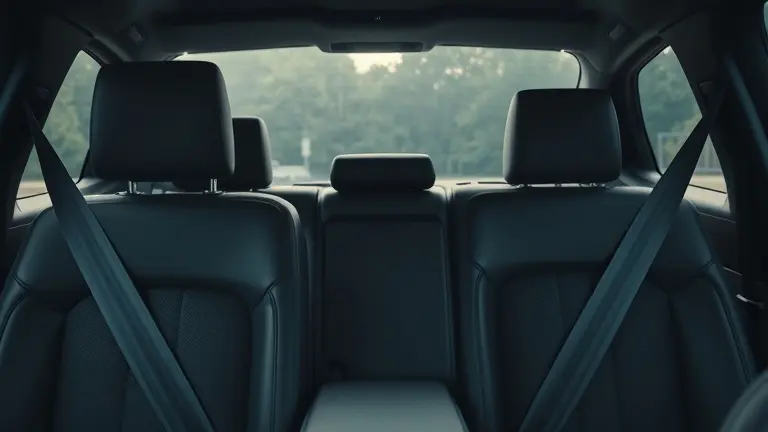
Safety is not a luxury, especially when it comes to the core mechanical systems of your vehicle. On June 3, 2026, the National Highway Traffic Safety Administration (NHTSA) issued a critical recall alert for nearly 420,000 Ford Expedition and Lincoln Navigator models manufactured between 2018 and 2022. The concern centers on a significant defect within the seat belt retractor and pretensioner assembly—a mechanical failure that could prevent your seat belt from locking properly in the event of a collision. For many families who rely on these SUVs for daily transportation, this news creates immediate stress and uncertainty regarding the safety of their passengers.
While official recall notices are set to arrive by mail beginning June 8, 2026, waiting passively is not an option for the informed owner. Understanding the difference between a recall status and the availability of replacement parts is crucial, as supply chain constraints often lead to significant delays at dealerships. This guide serves as your comprehensive ‘Owner’s Survival Guide,’ designed to help you navigate the VIN-lookup process, manage the expectation of repair timelines, and take actionable, non-alarmist steps to ensure your peace of mind while we wait for a permanent remedy from the manufacturer.
Understanding the Ford Expedition and Lincoln Navigator Recall
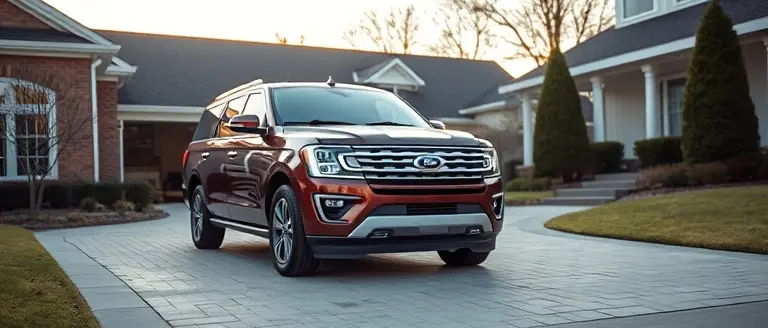
On June 3, 2026, the National Highway Traffic Safety Administration (NHTSA) issued a critical safety bulletin regarding a massive 2018-2022 Ford safety recall affecting approximately 419,967 vehicles. This widespread action specifically targets the Ford Expedition and Lincoln Navigator SUVs. The core of this safety concern involves a mechanical failure within the seat belt retractor and pretensioner assembly. Under certain conditions, these components may fail to properly secure or restrain occupants during a vehicle collision, significantly increasing the risk of injury.
Why This Mechanical Defect Is Significant
The seat belt system is a vehicle’s primary defense in an accident. In the affected 2018-2022 models, the retractor assembly may suffer from internal malfunctions that prevent the belt from extending or retracting as designed. This is not merely a convenience issue; it is a vital safety risk that compromises the structural integrity of the occupant restraint system. Because the seat belt pretensioner is intended to tighten the belt instantly upon impact, any deviation from its expected performance can lead to a failure in passenger protection.
Timeline and Owner Communications
The urgency of this Ford recall cannot be overstated. Ford Motor Company has confirmed that official notification letters are scheduled to begin mailing to registered owners on June 8, 2026. While the “information gap” phase can be stressful for drivers, it is crucial to remain proactive. Owners are currently advised to monitor the NHTSA portal and Ford’s official service channels for updates on remedy availability. Key takeaways for affected owners include:
- Vehicle Scope: The recall encompasses specific configurations of the 2018-2022 Ford Expedition and Lincoln Navigator.
- Safety Risk: Potential for seat belt retractor failure, which may fail to restrain occupants correctly during a crash.
- Action Plan: If you own one of these models, keep your VIN ready and watch for your official recall notice arriving after June 8, 2026.
- Dealership Coordination: Understand that recall status and parts availability are two distinct factors; verify your specific vehicle’s standing through the official Ford recall lookup tool before visiting a dealership.
How to Check If Your Vehicle Is Affected

If you own a 2018-2022 Ford Expedition or Lincoln Navigator, it is essential to determine if your specific SUV is part of the recent 419,967-vehicle safety campaign. Because the 2018-2022 Ford safety recall involves a critical mechanical failure within the seat belt retractor and pretensioner assembly, relying on general model-year assumptions is not enough. The most accurate way to verify your vehicle’s status is by performing a VIN (Vehicle Identification Number) lookup. Your VIN is a unique 17-character code located on the driver’s side dashboard near the windshield or on the sticker inside the driver’s side door jamb.
Using Official Recall Resources
To confirm if your vehicle is impacted, you should utilize only official, verified databases to avoid misinformation. Follow these steps to conduct an immediate check:
- NHTSA Recall Website: Visit nhtsa.gov/recalls and enter your 17-digit VIN into the search bar. This federal database is the gold standard for tracking active safety recalls in the United States and will provide the most current information regarding your vehicle’s status.
- Ford Owner Portal: Navigate to the official Ford Owner website or the Lincoln Owner portal. By entering your VIN in their dedicated recall lookup tool, you can see if your vehicle has any open safety actions. This portal may also provide more specific information regarding local dealer involvement and the current availability of replacement parts.
Please be aware that while the recall affects a massive pool of vehicles, not every single unit produced between 2018 and 2022 is included. If your lookup returns an “Incomplete, remedy not yet available” status, it confirms your vehicle is affected, but your local service center may not have the necessary components to perform the repair immediately. We recommend checking these portals weekly, as official notification letters began mailing on June 8, 2026, and the database status will update as the remedy phase progresses. Do not wait for a physical letter if you suspect your vehicle is involved; digital lookup tools provide real-time updates that are often faster than mail delivery.
Interim Safety Steps While Awaiting Repairs

While the 2018-2022 Ford safety recall addresses a critical mechanical failure involving seat belt retractors and pretensioners, owners must understand that a recall notice is not an immediate fix. Due to the high volume of affected Ford Expedition and Lincoln Navigator models—nearly 420,000 units—dealerships may face significant logistical challenges regarding parts availability. It is common for “fix availability” to lag behind the official notification date, meaning you may need to operate your vehicle safely for a period before the necessary repair parts arrive at your local service center.
Best Practices for Occupant Safety
Because this defect specifically impairs the vehicle’s ability to restrain occupants during a collision, extra caution is necessary. While the recall remains active and pending, consider these temporary strategies to mitigate risk:
- Prioritize Seating: If possible, avoid utilizing seating positions that are known to be malfunctioning. If a specific seat belt feels loose, locks prematurely, or fails to retract, avoid using that seat entirely.
- Verify Belt Tension: Before each trip, physically pull on the shoulder belt to ensure the retractor is holding firm. If the belt remains slack or fails to lock when yanked sharply, the retractor mechanism may be compromised.
- Minimize High-Risk Scenarios: Given the severity of the seat belt retractor/pretensioner defect, try to avoid high-speed highway driving or heavy traffic congestion where the risk of a sudden stop or collision is statistically higher.
- Monitor NHTSA Updates: Regularly check the National Highway Traffic Safety Administration (NHTSA) website using your Vehicle Identification Number (VIN). This ensures you are alerted the moment a remedy plan is confirmed for your specific chassis.
These measures are strictly interim and do not serve as a substitute for the official mechanical repair. Please remember that this is a critical safety issue; you should prioritize scheduling your service appointment as soon as your dealer confirms parts availability to restore your vehicle to factory safety standards.
Next Steps: Scheduling Your Service Appointment
Once you have confirmed that your vehicle is included in the 2018-2022 Ford safety recall via the official NHTSA or Ford VIN lookup tool, your priority should be contacting your local authorized dealership. It is important to understand that while a recall is issued, parts availability often lags behind the initial announcement. Before heading to the service center, call your preferred Ford or Lincoln dealer and provide them with your 17-digit Vehicle Identification Number (VIN). Ask specifically if the replacement parts for the seat belt retractor defect are currently in stock or if you need to be placed on a priority waiting list.
When scheduling your appointment, keep the following best practices in mind to ensure a smooth repair process:
- Request Recall Service Specifically: When booking, explicitly state that you are scheduling a “safety recall repair.” This ensures the service advisor allocates the correct amount of time and resources for the work.
- Confirm Repair Costs: Remember that all safety recall repairs performed at authorized Ford and Lincoln dealerships are free of charge for the vehicle owner. Do not authorize any payment for the fix itself.
- Documentation: Bring a copy of your official recall notice if you have received one, along with your vehicle registration.
- Inquire About Loaners: If the repair requires the vehicle to remain at the dealership for an extended period, ask if the service center provides loaner vehicles or shuttle services, as wait times can vary significantly by location.
If a dealership informs you that they do not have parts, do not be discouraged. You can check with other authorized dealers in your area or ask your primary dealer to notify you the moment the replacement components arrive. Always maintain a record of your communication with the dealership, including the date of your call and the name of the representative you spoke with. Proactive communication is the most effective way to navigate the 2018-2022 Ford safety recall and ensure your vehicle is returned to optimal safety standards as quickly as possible.
Regain Control Over Your Technical Reliability
Navigating a large-scale safety recall like the 2018-2022 Ford Expedition and Lincoln Navigator seat belt issue requires patience and, above all, proactive management. While you wait for official notifications and parts availability, staying informed through the NHTSA portal and maintaining communication with your local dealership is your best defense against uncertainty. This situation underscores a broader truth: when technical systems fail, the ability to assess, manage, and solve problems independently is the most valuable asset any owner can possess.
Just as this guide helps you navigate the technical hurdles of the Ford seat belt recall, many owners are finding that taking a proactive, DIY approach to their workshop and garage projects is the best way to regain control and avoid reliance on delayed professional services. Whether you are addressing vehicle maintenance or home infrastructure, the frustration of vague instructions and trial-and-error is something you can leave behind for good.
Ted’s Woodworking offers the ultimate solution for the self-reliant owner, providing professional, foolproof blueprints and material lists for over 16,000 projects. It is the perfect logical bridge for those who demand technical certainty and want to build their own capability to manage complex mechanical configurations. Stop waiting for external services to get it right; develop the skills to handle your own technical world with absolute confidence.
 Take control of your home projects today with the same precision you demand for your vehicle; explore 16,000+ foolproof workshop plans here.Yes, I Want to Master My Skills Now!