

On June 5, 2026, a seismic shift hit the NFL landscape: the Chicago Bears officially announced their Board of Directors voted to advance plans for a new stadium development in Hammond, Indiana. For a franchise rooted in Chicago soil since 1920, this decision marks a definitive pivot away from years of stalled negotiations and legislative gridlock in Illinois. As the city and the state scramble to process the news, the conversation has shifted from speculation to the grueling logistical reality of what the Bears moving to Indiana actually entails.
Are the Bears truly leaving? While headlines scream of a new era, the path forward is paved with complex infrastructure requirements, tax impact dilemmas, and the massive challenge of coordinating across state lines. To understand the viability of this project, we must look beyond the emotion and analyze the ‘what-if’ scenarios that mainstream media often overlooks. This investigative deep dive breaks down the feasibility of the Hammond site, examining why the lack of transparent, rock-solid planning is the single greatest threat to this historic transition.
The Historic Pivot: Bears Board Votes to Advance Hammond Stadium Project

On June 5, 2026, the Chicago Bears officially altered the trajectory of the franchise by announcing that their Board of Directors voted to pursue a new stadium development in Hammond, Indiana. This decision, finalized on June 4, marks a definitive break from the team’s century-long residency in Illinois. Since its founding in 1920, the franchise has remained deeply entrenched in Chicago, but this unprecedented shift signals that the organization has finally prioritized a viable path forward over the preservation of its historical geographic ties. The move is widely viewed as a direct response to a decade of stalled negotiations, legislative gridlock, and an inability to secure favorable public funding packages within the state of Illinois.
The Breakdown of Illinois Negotiations
The transition toward Hammond is the culmination of years of failed development cycles, most notably the high-profile efforts to revitalize the Arlington Heights site. Despite immense effort, the following factors contributed to the collapse of local negotiations:
- Taxation Impasse: A failure to reach a consensus with state and local officials regarding property tax assessments and long-term public funding models.
- Infrastructure Hurdles: The inability to secure sufficient public assistance for the massive capital investment required for site redevelopment and transit expansion.
- Lakefront Constraints: The limitations of the current stadium configuration and the restrictive nature of city-controlled land proved incompatible with the team’s revenue goals.
As Chicago Bears news headlines confirm, the sentiment in the region has reached a fever pitch, with vocal fan opposition contrasting sharply with the team’s executive focus on financial feasibility. By moving to Indiana, the franchise is bypassing the political obstacles that plagued the Arlington Heights proposal. While the question of “are the bears moving to indiana” has been answered with a formal board vote, the logistical reality of cross-state relocation—impacting taxation, commute infrastructure, and regional fan identity—will require intense scrutiny. The team’s departure from Illinois represents not just a change in venue, but a strategic reorientation for the NFL in the Midwest.
Anatomy of an Impasse: The Legislative Failure in Illinois

The transition of the Chicago Bears toward a potential relocation to Hammond, Indiana, did not occur in a vacuum; it is the culmination of years of legislative friction and unresolved economic disagreements within the State of Illinois. The primary catalyst for this fracture was the protracted stalemate regarding the Arlington Heights site, where the franchise initially hoped to construct a massive stadium and entertainment district. Negotiations stalled repeatedly over the valuation of the former Arlington International Racecourse property and the team’s demand for significant public subsidies to offset infrastructure costs. Illinois lawmakers, wary of the political optics surrounding the use of taxpayer funds for private sports facilities, remained gridlocked as the bears pushed for a legislative framework that would provide long-term tax certainty.
Key Drivers of the Legislative Gridlock
The collapse of the Illinois-based plan can be traced to several critical failures in fiscal policy and communication:
- Property Tax Disputes: The disagreement over the tax assessment of the Arlington Heights site created a massive financial hurdle that neither local school districts nor the franchise could reconcile, leading to an untenable economic model for the team.
- Public Subsidy Resistance: A growing movement within the Illinois State Legislature effectively blocked any bill providing the type of public funding package the Bears deemed necessary to make the project viable, citing broader economic concerns and limited state resources.
- Infrastructure Responsibility: There was no consensus on who would shoulder the burden of expanding local roads, public transit, and utility grids to accommodate a modernized stadium, leaving the project in a state of suspended animation.
Evidence suggests that when the Bears realized Illinois lacked the political capital to finalize a deal, they began exploring options outside of the state. Are the bears moving to Indiana? The June 2026 Board of Directors vote confirms that the franchise is no longer merely using Hammond as a bargaining chip. By shifting their focus to Indiana, the organization is testing a landscape that has historically offered more aggressive tax incentives and a more unified legislative path, signaling a historic end to their century-long presence in Illinois and shifting the narrative of Chicago Bears news from a local stadium debate to a regional economic migration.
Economic Projections: What a New Stadium Means for Hammond
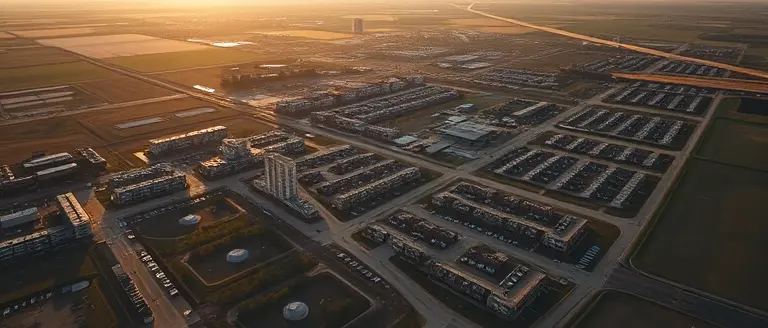
The potential relocation of the Chicago Bears to Hammond, Indiana, presents a complex economic calculus that goes far beyond simple ticket sales. Drawing parallels from recent NFL migrations, such as the Raiders’ move to Las Vegas or the Rams’ return to Los Angeles, it is clear that a project of this magnitude requires massive upfront capital investment in public infrastructure. For Hammond, the bears moving to Indiana would necessitate a radical overhaul of local transit systems, highway access, and utility grids to accommodate the influx of tens of thousands of fans on game days. While supporters argue this will act as a catalyst for regional growth, critics point to the “stadium trap,” where the promised tax revenue is often offset by the long-term debt incurred to maintain these massive facilities.
Infrastructure and Tax Implications
The financial viability of an NFL stadium in Northwest Indiana depends heavily on the legislative framework surrounding public funding. Historically, stadium projects often shift a significant tax burden onto local residents to cover infrastructure expansions, such as regional rail improvements and parking complexes.
- Transit Requirements: Hammond would likely need to coordinate with the South Shore Line or expand existing road networks to handle congestion that currently flows into the heart of Chicago.
- Tax Revenue Shifts: While Hammond could see an increase in local sales and hospitality taxes, the city of Chicago faces a substantial decline in annual tax revenue derived from game-day activity at Soldier Field.
- Economic Multipliers: Evidence from other NFL cities suggests that while the stadium footprint itself creates temporary construction jobs, the long-term, high-quality job creation remains modest unless the site is part of a larger, year-round “entertainment district.”
Ultimately, the feasibility of this move rests on whether Indiana’s regulatory environment can offer more stability than the previous impasse in Illinois. As Chicago Bears news continues to focus on this transition, stakeholders must closely scrutinize the long-term debt-to-revenue projections for Hammond to determine if the move truly benefits the community or if the logistical challenges create an unsustainable fiscal environment.
Infrastructure and Accessibility: Visualizing the New Fan Experience
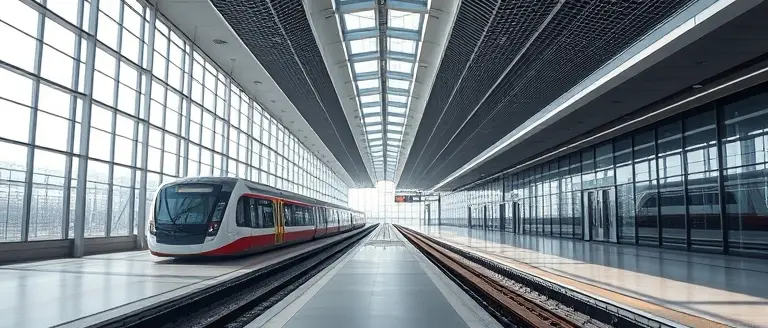
The potential relocation of the Chicago Bears to Hammond, Indiana, presents a massive logistical challenge that differs significantly from both the urban footprint of Soldier Field and the suburban sprawl of the proposed Arlington Heights site. While fans often speculate on the emotional impact of the franchise leaving its home state, the primary hurdle for the organization will be creating a viable transportation framework capable of handling 60,000 to 70,000 spectators on game day. Unlike the transit-heavy downtown Chicago model, a move to Indiana necessitates a ground-up development of highway egress and mass transit connectivity.
Transportation Logistics and Transit Infographics
Engineers and urban planners will need to address the region’s specific traffic density concerns. Preliminary assessments suggest that infrastructure investment must focus on:
- Highway Expansion: Significant upgrades to the intersections of I-80/I-94 and I-65 are essential to mitigate the notorious congestion common in Northwest Indiana.
- Commuter Rail Integration: Aligning the South Shore Line with the stadium site will be the defining factor in whether are the bears moving to indiana leads to a successful fan experience or a gridlock nightmare.
- Parking Infrastructure: Unlike the centralized lots at Soldier Field, a Hammond site will require expansive, multi-tiered parking structures to ensure efficient ingress and egress, likely consuming a substantial portion of the proposed site’s acreage.
Evidence suggests that the physical layout in Hammond offers more greenfield flexibility than the constrained lakefront, yet it lacks the existing public transit depth that defines traditional Chicago Bears news. For supporters, the new fan experience will be defined by how effectively these road expansions can move thousands of vehicles per hour. If the transit infographics eventually released by the team fail to account for the peak-hour volume typically seen on the Borman Expressway, the logistical burden could prove as significant a hurdle as the political ones that stalled the team’s progress in Illinois for so many years.
The Blueprint for Success: Avoiding the Costs of Ambiguity
The saga of the Chicago Bears moving to Indiana is more than just a sports headline; it is a masterclass in the risks of ambiguous planning. As we have examined, moving an NFL franchise is an unprecedented infrastructure challenge. Just as the Bears’ failed negotiations in Illinois were hamstrung by vague tax incentives and lack of clear community buy-in, any massive project—civic or personal—collapses when it lacks the technical certainty provided by professional-grade planning.
Construction success is never an accident; it is the result of meticulous foresight. Whether you are analyzing a multibillion-dollar stadium proposal or undertaking your own home renovation, the principle remains identical: without an exact, error-proof blueprint, you are simply waiting for a failure to happen. Professional planning removes the guesswork, ensures material efficiency, and prevents the costly, time-consuming corrections that often plague major developments.
This is where the right tools become your most valuable asset. If you want to ensure that your own projects—from backyard carpentry to complex home improvements—are built on the same foundation of technical precision that a stadium requires, you need access to reliable, industry-standard blueprints. Don’t leave your goals to chance when you can build with total confidence.
 See how professional-grade blueprints prevent common construction pitfalls and ensure your next project—or your understanding of massive civic ones—is built on solid foundations.Transform My Projects Today!