
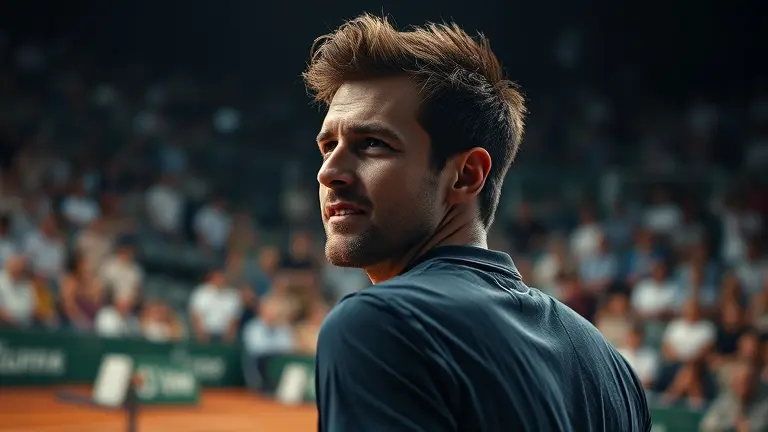
The clay courts of Roland-Garros hold a special place in tennis history, but this year, the atmosphere at the 2026 French Open carries a heavy, nostalgic weight. As Stan Wawrinka steps onto the terre battue for his final appearance at the tournament that defined his legacy, the tennis world watches not just with admiration, but with a profound sense of gratitude. Known for his explosive backhand and his fearless ability to dismantle the ‘Big Three’ on their biggest stages, Wawrinka’s presence in Paris is a tribute to a career built on grit, resilience, and a stubborn refusal to back down from impossible odds.
While the draw may have shifted—missing the much-anticipated collision with French rising star Arthur Fils—the narrative surrounding Wawrinka remains unchanged. This is a final victory lap for a man who served as the ultimate giant-killer of his generation. His retirement announcement in late 2025 signaled the closing of a chapter, but his performance at this year’s French Open is more than a farewell; it is a masterclass in endurance. Even as he faces his final professional matches, Wawrinka embodies the discipline required to sustain excellence, offering fans a unique opportunity to reflect on the immense physical and mental toll that accompanies a legendary career.
The Final Curtain: Stan Wawrinka’s Emotional Farewell at Roland-Garros
The 2026 French Open serves as the poignant stage for the final act of Stan Wawrinka, a warrior whose career has been defined by grit, power, and an unmistakable elegance on the red clay. As the Swiss veteran steps onto the courts of Roland-Garros for the last time, the atmosphere is heavy with the weight of nostalgia. Following his December 2025 announcement that the 2026 season would mark his professional retirement, every baseline rally and explosive one-handed backhand carries a deeper, more symbolic resonance for fans who have watched him challenge the sport’s elite for nearly two decades.
A Shift in Narrative
The initial excitement surrounding a marquee opening-round showdown against French prospect Arthur Fils dissipated quickly when injury forced the youngster to withdraw. However, this change in the tournament bracket only intensified the focus on Wawrinka himself rather than the competitive minutiae of the draw. The tournament has transitioned from a standard bracket challenge into a celebratory tour of a legend’s legacy. Key elements of this final appearance include:
- Reflective Legacy: Fans are moving past scorelines to honor the 2015 champion’s “giant-killing” spirit that defined his peak years.
- Stoic Professionalism: Despite the emotional gravity of the occasion, Wawrinka maintains the focused, stoic demeanor that made him such a formidable opponent during the “Big Three” era.
- Symbolic Value: His presence on the Parisian clay represents the end of an era for tennis purists who admire his tactical aggression and raw athleticism.
For the tennis community, Wawrinka’s presence in Paris is no longer just about advancing through the rounds. It is a collective tribute to a player who refused to shrink in the shadows of greatness, opting instead to carve out his own historical footprint through sheer force of will and technical brilliance. As he concludes his storied journey at one of his most beloved venues, the audience is witnessing the final departure of a true modern icon.
The ‘Big Three’ Disruptor: Rewriting the Modern Tennis Narrative
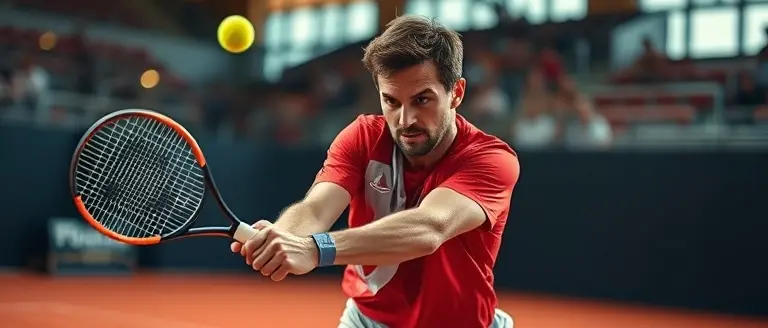
Throughout the most dominant era in tennis history, Stan Wawrinka carved out a legacy not by mimicking the consistency of the ‘Big Three,’ but by acting as their most dangerous tactical anomaly. While his peers often struggled to find ways to breach the defensive fortresses of Roger Federer, Rafael Nadal, and Novak Djokovic, Wawrinka relied on a “high-variance, high-reward” philosophy. His game was never built on the steady grind; instead, it was engineered for explosive, unpredictable power capable of dismantling even the most disciplined defensive structures.
The Peak of Perfection: 2015 and Beyond
Wawrinka’s zenith, most notably his masterclass at the 2015 French Open, remains a standout moment in modern sports. By overcoming Djokovic in the final, Wawrinka proved that brute force, combined with a single-handed backhand that generated unprecedented pace, could neutralize the tactical perfection of the world’s best. His career is marked by several defining traits that separated him from the field:
- Elite Offensive Volatility: Wawrinka possessed the rare ability to “hit through” the court, turning defensive positions into winning shots with a flick of the wrist.
- The Single-Handed Backhand: Often cited as the best in the business, his backhand served as both a stabilizer and a primary weapon, allowing him to dictate rallies against the game’s greatest movers.
- Big-Match Temperament: Evidence suggests that Wawrinka thrived on the pressure of Grand Slam stages, rarely suffering from the nerves that plagued other top contenders when facing the legends of the sport.
Ultimately, Wawrinka’s contribution to tennis is that he forced the ‘Big Three’ to play uncomfortable matches. He provided the blueprint for how to defeat the titans of the game, proving that even in an era of mathematical precision, there was always room for the raw, unadulterated power that defined his storied career. As he concludes his tenure at Roland-Garros, his legacy remains cemented as the ultimate disruptor of a generation.
The Brutal Beauty of the One-Handed Backhand

To witness Stan Wawrinka in full flight is to observe the evolution of power tennis through the lens of pure, aesthetic violence. Among his many contributions to the sport, none stands as more iconic than his one-handed backhand. Often cited by pundits and peers alike as the greatest of his generation, this shot was not merely a tactical weapon; it was a psychological statement. While the modern game shifted toward the safety of double-handed consistency, Wawrinka doubled down on the technical complexity and sheer force of the single-handed swing, carving out an identity as one of tennis’s most lethal “shot-makers.”
A Metaphor for Resilience
The backhand served as a perfect mirror for the veteran Swiss star’s career trajectory. Much like Wawrinka himself, the stroke was raw, unyielding, and capable of finding gear that left opponents—even the legendary “Big Three”—effectively helpless. When the pressure at Roland-Garros reached its zenith, Wawrinka didn’t retreat into the grind of baseline rallies; he relied on the explosive torque and whip-like extension of his backhand to dictate terms.
- Technical Perfection: The swing is characterized by a high take-back and a devastating, fluid finish that creates extreme pace from even the most defensive positions.
- The “Giant-Killer” Edge: His ability to flatten out the shot under pressure allowed him to penetrate the defenses of Novak Djokovic and Rafael Nadal during his iconic Grand Slam campaigns.
- A Dying Artform: In an era of heavy topspin, Wawrinka’s backhand remains a testament to the versatility of the one-hander, proving that tactical aggression can overcome systemic baseline attrition.
As he makes his final rounds at the 2026 French Open, the legacy of that backhand remains his defining signature. It elevated him from a standard competitor to a three-time Grand Slam champion, proving that true artistry in tennis is often found in the most powerful, uncompromising strokes.
Legacy Beyond the Trophy Case: A Career of Grit and Grace
As Stan Wawrinka prepares for his final bow at the 2026 French Open, his legacy is defined by far more than the three Grand Slam trophies gathering dust in his cabinet. While many of his peers were measured by their weeks at world number one, “Stan the Man” forged a different path. He emerged as the ultimate “giant-killer” of the Big Three era, possessing the rare, uncompromising courage to stare down legends like Novak Djokovic and Rafael Nadal on the sport’s biggest stages and emerge victorious. His career serves as a masterclass in tenacity, proving that the gap between elite performance and legendary status is often bridged by pure, unfiltered grit.
The People’s Champion of Persistence
Beyond his thunderous one-handed backhand—arguably the most aesthetically pleasing and devastating shot in modern tennis—Wawrinka’s true impact lies in his vulnerability and his refusal to quit. His late-career resurgence, marked by grueling surgeries and long, lonely rehabilitation sessions, endeared him to fans who saw him not as an untouchable titan, but as a relatable human figure fighting against the inevitable decline of time.
His journey offers several key takeaways for the future of the sport:
- Embracing Authenticity: Wawrinka remained unapologetically himself, often speaking with a refreshing honesty that stood in stark contrast to the highly curated personas of modern professional athletes.
- Resilience as a Strategy: He turned physical adversity into a narrative of persistence, demonstrating that a career is not a linear progression but a series of battles to be won.
- The Power of Peak Performance: His ability to elevate his game exclusively for the most pressurized moments—the “Big Four” era—showcased a psychological fortitude that many younger players still struggle to emulate.
As he exits the professional circuit, he leaves behind a blueprint for success built on passion rather than perfection. He taught us that while trophies have shelf lives, the respect earned through relentless effort and the courage to play one’s own game is timeless. Stan Wawrinka will be remembered not just as a champion, but as the heartbeat of a generation that needed a reminder that giants are, in fact, fallible.
The Champion’s Legacy: Investing in Your Future Vitality
Stan Wawrinka’s final run at Roland-Garros serves as a poignant reminder that even the most legendary careers must eventually conclude. While his heavy-hitting backhand and fearless spirit have defined an era, his journey also highlights the sheer physical toll required to remain competitive at the world’s highest level. Watching a champion like Wawrinka push his body to the limit for one last Grand Slam appearance reminds us all that sustaining peak performance and long-term vitality requires a dedicated, proactive focus on wellness.
Just as a professional athlete must carefully maintain their health to extend their career, every man must prioritize his foundation to ensure an active and fulfilling life in the later stages. Supporting your long-term vitality isn’t just about avoiding setbacks; it is about honoring the drive to remain engaged and dynamic. This is where Protoflow becomes an essential ally, bridging the gap between legacy and longevity by focusing on the core of male health.
Protoflow is designed for those who understand that proactive care is the key to maintaining a high-performance life. By supporting optimal prostate health and steady energy, it helps you apply that same champion’s mindset to your personal wellness, ensuring you stay as resilient in your own life as your favorite stars are on the court. It is the natural step for any man committed to protecting his vigor and enjoying the quality of life he has worked so hard to build.
 Read how thousands of men are proactively supporting their long-term vitality and restoring their quality of life today.Transform My Life Today