
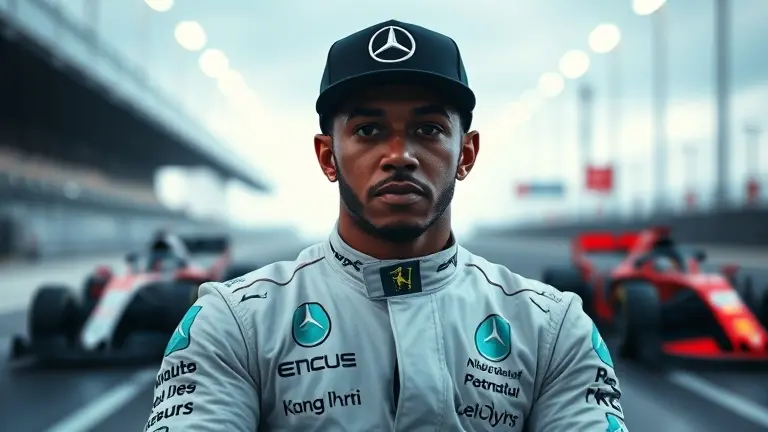
The 2026 Formula 1 Canadian Grand Prix was supposed to be a changing of the guard. As Kimi Antonelli stood atop the podium in Montreal, the narrative focused heavily on the emergence of the next generation. Yet, it was Lewis Hamilton’s P2 finish that stole the spotlight, silencing retirement whispers and proving that his commitment to Ferrari is built on the pursuit of victory, not just a farewell tour. Hamilton’s performance, marked by strategic brilliance despite the chaotic regulatory constraints of the 2026 season, signals a driver who is far from finished; he is, in fact, evolving.
But what separates a 41-year-old icon from the relentless pressure of rising stars? It is no longer just about raw speed or car setup. As the 2026 regulations make traditional overtaking nearly impossible, the battleground has shifted toward microscopic decision-making and mental endurance. Hamilton’s longevity in the cockpit hinges on a unique, hyper-focused cognitive state—a “mental pit crew” capability that allows him to execute maneuvers where the margin for error is non-existent. In this feature, we explore how Hamilton is redefining his tenure at Ferrari, and why the most critical component of his success is the one the cameras cannot see: the cognitive mastery required to sustain elite performance at the very edge of human potential.
Montreal 2026: Hamilton’s Resurgence Amid Chaos and Controversy
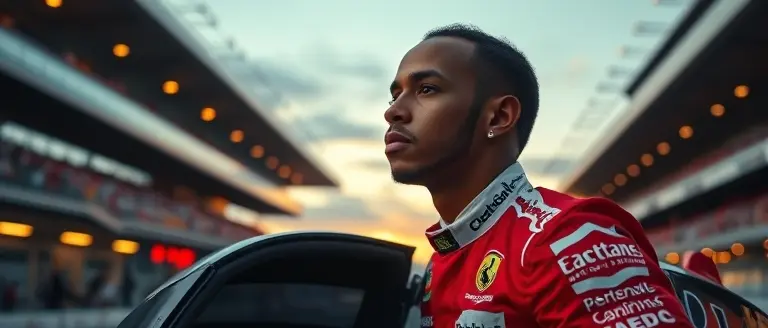
The 2026 Canadian Grand Prix served as a definitive statement for Lewis Hamilton, proving that even at 41, his tactical acumen remains elite in an increasingly volatile Formula 1 landscape. Securing a hard-fought P2 podium finish behind his younger teammate, Kimi Antonelli, Hamilton navigated a chaotic Montreal circuit marked by unpredictable weather and stringent regulatory challenges. While Antonelli claimed the headlines for his victory, Hamilton’s drive was a masterclass in defensive positioning, particularly as he wrestled with a Ferrari challenger that is still adapting to the complex 2026 aerodynamic regulations.
Navigating FIA Scrutiny and Tactical Hurdles
The weekend was not without significant friction. Prior to the main event, Hamilton faced intense FIA scrutiny regarding a track limits incident during the Sprint race. The investigation generated widespread debate among fans and pundits, highlighting the friction between veteran driving styles and the FIA’s rigid enforcement of the 2026 guidelines. Hamilton’s ability to remain focused despite the pressure—and the subsequent technical struggles—demonstrated the mental fortitude that has defined his career.
Commitment Beyond the Podium
Perhaps more significant than the P2 finish was Hamilton’s firm rebuttal of lingering retirement speculation. By publicly confirming his commitment to Ferrari through at least the 2027 season, he effectively silenced the narrative that he might step away from the sport. Key takeaways from his Montreal performance include:
- Contractual Stability: Hamilton has doubled down on his long-term partnership with the Scuderia, prioritizing project development over short-term retirement rumors.
- Regulatory Adaptation: He continues to be a vocal critic of the 2026 rules, noting that overtaking has become “10 times harder” due to current technical constraints.
- Legacy vs. Future: The contrast between Hamilton’s technical experience and Antonelli’s raw pace highlights a pivotal transitional phase for Ferrari, setting the stage for a compelling intra-team rivalry for the remainder of the season.
Ultimately, Hamilton’s performance in Montreal was more than just a trophy; it was a clear signal that he remains a centerpiece of Ferrari’s championship ambitions.
Legacy vs. The New Era: Adapting to 2026 Technical Regulations
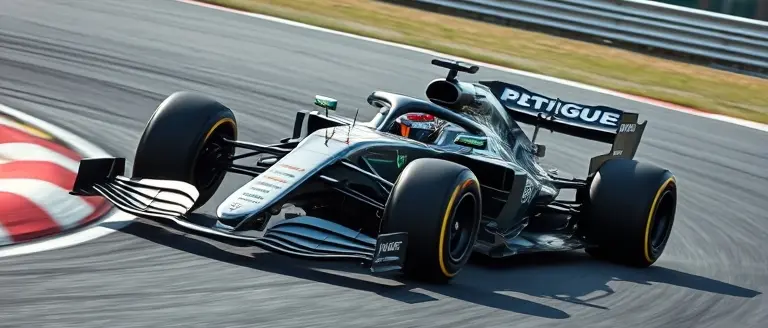
The 2026 Formula 1 season has introduced a seismic shift in vehicle architecture, forcing seasoned veterans like Lewis Hamilton to recalibrate their approach to race craft. These new technical regulations, primarily focused on active aerodynamics and refined power unit integration, have inadvertently made traditional overtaking maneuvers significantly more difficult. Hamilton, now in his second year with Ferrari, has been vocal about the “10 times harder” barrier for following cars, as the reduction in effective slipstreaming limits the tactical aggressive lunges that defined his illustrious career. For a driver who has relied on precise braking and late-race positioning, the current machinery demands a far more conservative, calculated style of maneuvering.
Masterclass in Tactical Tire Management
To remain competitive against younger challengers like race winner Kimi Antonelli, Hamilton has pivoted toward a “long-game” strategy. By leveraging his decades of experience, he has adapted his driving style to prioritize:
- Precision Entry: Mitigating the car’s understeer tendencies in mid-corner by adjusting brake bias on the fly to compensate for aerodynamic instability.
- Thermal Preservation: Utilizing superior tire management to extend the life of his compounds, allowing him to maintain pace when others are forced into earlier pit stops or cooling periods.
- Situational Awareness: Positioning the Ferrari strategically to force errors from competitors in high-drag zones where the current technical regulations provide the least advantage.
While the FIA continues to refine the sporting regulations—often creating friction with experienced drivers—Hamilton’s ability to maximize the performance of a restricted chassis remains his greatest asset. His recent P2 finish at the Canadian Grand Prix demonstrates that while raw speed is being challenged by regulatory constraints, the veteran tactical prowess of the 41-year-old continues to pay dividends. By prioritizing consistency over the reckless overtakes that the 2026 rules now punish, Hamilton is effectively proving that intelligent race management is the ultimate counter-measure to modern mechanical limitations.
The Evolution of Hamilton’s Ferrari Tenure: Beyond the Headlines

The narrative surrounding Lewis Hamilton has shifted dramatically since his move to the Scuderia. While early speculation focused on retirement, his performance at the 2026 Canadian Grand Prix proves that the 41-year-old veteran is locked into a long-term development phase at Ferrari. Unlike the dominant, plug-and-play success of his Mercedes era, Hamilton’s current tenure is defined by high-stakes technical evolution. He is no longer just chasing wins; he is acting as the primary architect for a team navigating the complex 2026 regulatory overhaul. This transition marks a departure from pure racing into a hybrid role of driver and developmental consultant, a necessity given the increased difficulty in executing traditional overtaking maneuvers under current design constraints.
Redefining Success in the New Regulatory Era
The technical challenges introduced in 2026 have forced a strategic pivot for both the driver and the Maranello engineers. Hamilton has been vocal about how these regulations make overtaking “10 times harder,” requiring a more cerebral, tactical approach to race craft. His P2 finish in Montreal demonstrated that his ability to manage pace and tire degradation remains world-class, even when the machinery demands a greater degree of compromise.
Key aspects of this developmental evolution include:
- Tactical Patience: Shifting focus from aggressive early-lap lunges to long-game tire management, mitigating the negative impact of current aerodynamic wake disturbances.
- Mentorship and Integration: Serving as a bridge between the engineering department and rising talents like Kimi Antonelli, fostering a collaborative environment necessary for the team to reclaim championship form.
- Contractual Commitment: By confirming his intent to race through 2027, Hamilton has stabilized the team’s internal structure, signaling that he views Ferrari as his final, project-driven chapter in Formula 1.
Ultimately, Hamilton’s role is evolving into that of a program leader. By embracing the growing pains of a car currently struggling against new technical mandates, he is laying the foundation for a sustainable competitive edge. While the media remains fixated on the podium results of the present, Hamilton’s true value to Ferrari lies in his ability to extract performance from a platform that is still in its infancy.
Defining Longevity: Why Retirement Rumors Miss the Mark
In the high-stakes environment of the 2026 Formula 1 season, persistent whispers regarding the potential retirement of Lewis Hamilton have been soundly refuted by both the driver’s own commitments and his on-track performance. At 41 years old, Hamilton is not merely participating; he is actively navigating the complex technical shift brought about by the latest regulatory changes. His recent P2 finish at the Canadian Grand Prix serves as a definitive statement that his presence at Ferrari is rooted in a desire for competitive evolution rather than a final nostalgia tour. By securing his contract through 2027, Hamilton has signaled a long-term strategic pivot, prioritizing the development of a championship-caliber machine over the fleeting nature of career milestones.
Evolving Through Regulatory Change
The narrative surrounding Hamilton’s career has shifted from pure speed to tactical adaptation. As regulations make overtaking “10 times harder,” Hamilton has had to reinvent his driving style to compensate for the Ferrari’s specific technical limitations. This transition provides a clear insight into his longevity:
- Tactical Maturity: Unlike younger drivers who rely on raw pace, Hamilton utilizes his veteran experience to manage complex energy deployment and tire degradation under the 2026 aero rules.
- Performance Stability: Despite facing intense competition from rising talents like teammate Kimi Antonelli, Hamilton’s ability to secure podiums in volatile race conditions highlights a consistent, high-level baseline of performance.
- Commitment to Progress: His active engagement with engineering feedback demonstrates that he remains fully invested in the development arc of the Ferrari platform.
Rather than succumbing to retirement rumors, Hamilton’s current trajectory suggests he is embracing the challenge of a new era. His willingness to evolve his craft proves that the fire remains as bright as ever, cementing his role as a foundational pillar for Ferrari’s future in the sport.
The Cognitive Edge Behind the Wheel
Lewis Hamilton’s podium finish at the 2026 Canadian Grand Prix is not merely a testament to Ferrari’s engineering; it is a masterclass in sustained elite performance. As the regulations tighten and the physical margins for overtaking shrink, the difference between the veteran legends and the new guard like Kimi Antonelli increasingly comes down to split-second cognitive processing. Hamilton’s ability to remain competitive at 41 is a result of years of mental refinement, proving that in high-stakes environments, experience and mental clarity are the ultimate performance multipliers.
While we often fixate on aerodynamics and track limits, the real battle is happening within the driver’s mind. Navigating high-speed turns while processing technical data and managing race-long fatigue requires a level of mental acuity that is difficult to sustain. This is where your personal performance mirrors the professional circuit. To maintain peak focus and sharp decision-making in your own fast-paced life, you need more than just effort—you need a system for cognitive recovery and maintenance that functions like a personal ‘cognitive pit crew’.
The Brain Song offers the exact science-backed auditory routine that elite performers rely on to sharpen their focus, improve learning capacity, and mitigate the mental fatigue that plagues even the best in their fields. By integrating this into your daily routine, you aren’t just working; you are optimizing your brain’s ability to operate under pressure, ensuring that when the race is on, you are fully equipped to cross the finish line first. Don’t leave your cognitive performance to chance.
 Discover the 12-minute auditory routine elite performers use to sharpen focus and maintain a competitive edge.Yes, I Want This Now!