
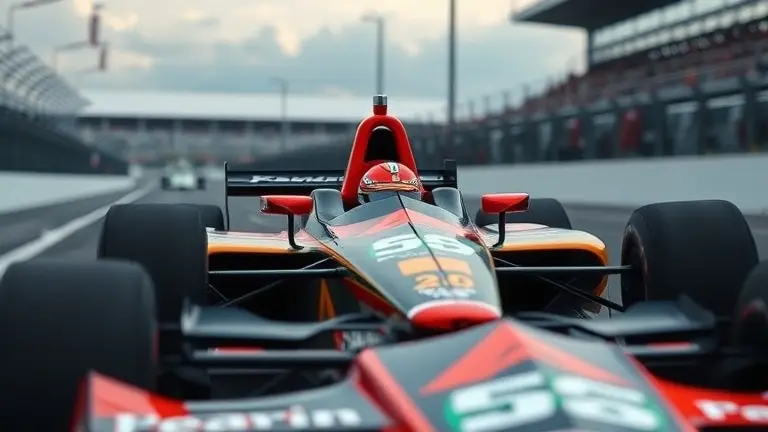
The roar of the engines at the Indianapolis Motor Speedway is always deafening, but for Pato O’Ward, the atmosphere heading into the 110th Indianapolis 500 on May 24, 2026, carries an extra layer of intensity. After a heart-stopping, multi-car crash during practice on May 18, the Mexican sensation’s path to his first “Greatest Spectacle in Racing” victory suddenly shifted from a straightforward race strategy to a high-stakes scramble. With his primary machine shattered, the Arrow McLaren team faced the grueling, split-second challenge of preparing a backup car—a task that requires absolute mechanical precision, nerve-wracking speed, and the unwavering confidence that every bolt and adjustment has been executed to perfection.
As O’Ward prepares to start from the outside of Row 2, the narrative has shifted from pure speed to resilience and engineering excellence. The eyes of the racing world are locked on whether this backup chassis can withstand the punishing demands of 500 miles. It is a defining moment for a fan-favorite driver, pitting his raw talent against the immense pressure of a shortened preparation window, and proving that in the world of IndyCar, success is rarely just about the driver—it is about the meticulous, life-critical mastery of the machine beneath them.
The Road to the 110th Indianapolis 500: Pato O’Ward’s Resilience
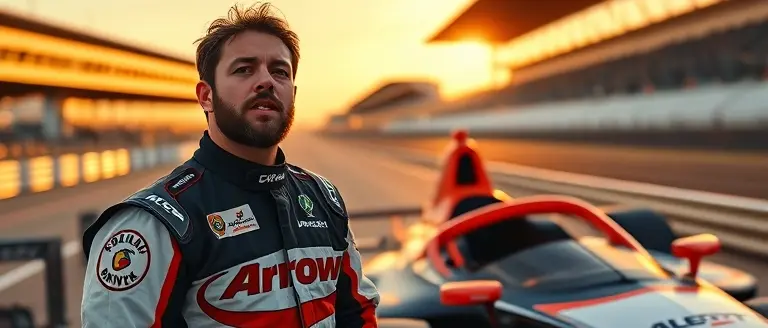
The path to the 110th Indianapolis 500 has been anything but conventional for Pato O’Ward. As one of the most prominent contenders for the Arrow McLaren team, O’Ward entered the month of May with high expectations and a clear focus on securing his first victory at the iconic Indianapolis Motor Speedway (IMS). However, the narrative shifted dramatically on May 18, when a high-speed, multi-car practice crash involving O’Ward, Alexander Rossi, and Romain Grosjean left his primary machine totaled. This incident forced his engineering crew into an immediate, high-pressure transition to a backup car, a scenario that tests the mechanical resolve and mental fortitude of even the most elite drivers in the IndyCar paddock.
The technical and emotional challenges of switching to a backup vehicle mere days before the race are immense. For O’Ward, this transition is not just about car geometry and setup; it is about maintaining championship-level performance despite the loss of confidence typically built during practice sessions. Key challenges currently facing the team include:
- Mechanical Familiarity: Adjusting to the nuances of the backup chassis to match the performance profile of the destroyed primary car.
- Engineering Calibration: Utilizing the remaining track time and Carb Day sessions to finalize downforce levels and tire degradation management.
- Mental Resilience: Managing the immense pressure of the media spotlight while staying focused on race-day execution.
Despite the setback, O’Ward has emerged as a symbol of perseverance. By qualifying on the outside of Row 2, he has proven that his speed remains a threat to dominant forces like Alex Palou. As the May 24 race date approaches, the motorsport community is watching closely to see if this “hero” narrative culminates in a crowning achievement at the Greatest Spectacle in Racing. The stakes are at their peak, and O’Ward’s ability to overcome this adversity will be defined by his performance over the 500-mile distance.
Mechanical Hurdles: The Switch to the Pato O’Ward Backup Car
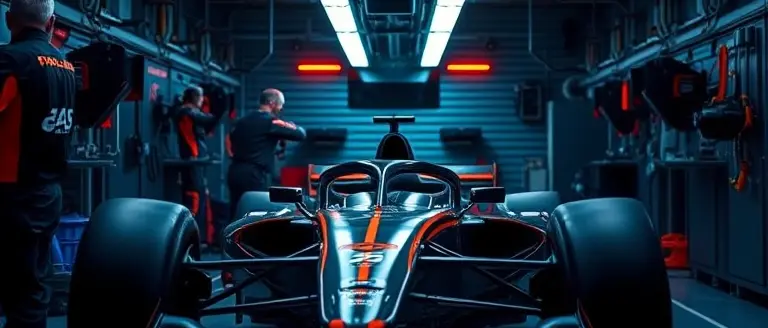
The multi-car practice crash at Indianapolis Motor Speedway on May 18 fundamentally altered the trajectory of Pato O’Ward’s 110th Indianapolis 500 campaign. When a car is totaled during practice, the transition to a backup chassis is far more than a simple swap; it is a high-stakes logistical sprint. The Arrow McLaren engineering crew faced the immense pressure of stripping down, calibrating, and safety-testing a secondary machine while operating under the intense scrutiny of the Indy 500 buildup. This technical pivot requires a perfect synchronization of suspension geometry, engine mapping, and aerodynamic balance to ensure the backup car mimics the performance characteristics of the primary vehicle that O’Ward had grown comfortable with throughout the practice sessions.
Technical Implications of the Backup Chassis
Adapting to a backup car introduces several variables that can influence a driver’s confidence on the 2.5-mile oval. While the technical specifications are standardized, subtle differences in chassis stiffness, seat positioning, and weight distribution can alter the handling dynamics at speeds exceeding 230 mph. Key challenges for the team include:
- Aerodynamic Reconciliation: Ensuring the backup car’s drag profile and downforce balance align with the specific setup Pato preferred for traffic navigation.
- Engine Calibration: Integrating the primary engine unit into the new chassis while maintaining peak power output and fuel efficiency protocols.
- Mechanical Integrity: Rigorous stress-testing of all safety components to ensure the backup machine meets the stringent standards required for the “Greatest Spectacle in Racing.”
Despite these hurdles, O’Ward’s resilience has been a focal point of the narrative. Adapting to a “green” car requires immediate trust between the driver and the cockpit. Evidence suggests that O’Ward’s ability to remain composed under this mechanical pressure is a testament to his experience, as he remains a primary contender aiming to challenge Alex Palou for the Borg-Warner Trophy on May 24.
Analyzing Performance: Can the Backup Car Compete for the Borg-Warner Trophy?
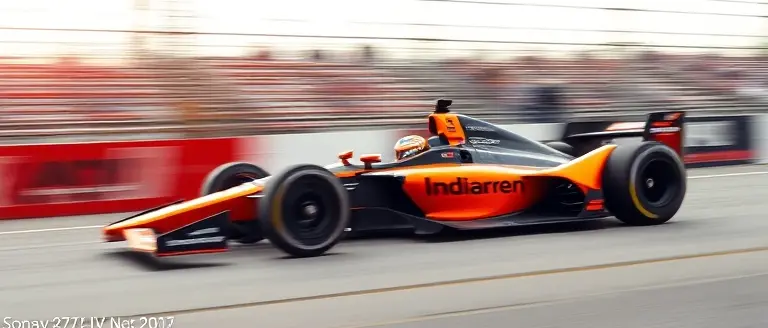
The transition to a backup chassis following the dramatic multi-car incident at Indianapolis Motor Speedway has sparked intense debate among racing enthusiasts regarding Pato O’Ward’s potential for the 110th Indianapolis 500. While primary race-spec cars are fine-tuned over weeks of specialized testing, a backup machine often lacks the specific aerodynamic “feel” dialed in by drivers during early practice sessions. However, Arrow McLaren maintains a high standard of mechanical parity across their fleet. The technical challenge lies not in raw speed, but in the subtle nuances of balance and grip required for a 500-mile endurance test.
Technical Hurdles and Driver Adaptation
Switching to a secondary chassis requires immediate adaptation, as no two cars handle identical forces at 230 mph. For O’Ward, the transition process focuses on several critical factors:
- Aerodynamic Consistency: Ensuring the backup bodywork mirrors the drag and downforce profiles of his destroyed primary car to prevent instability in turbulent air.
- Mechanical Equilibrium: Calibrating the suspension geometry to match the specific track surface degradation witnessed throughout the month of May.
- Systems Integration: Seamlessly syncing the driver’s preferred steering feedback and brake bias configurations into the new chassis interface.
Despite the setback, analysts suggest that O’Ward’s starting position on the outside of Row 2 provides a significant strategic buffer. His ability to contend for the Borg-Warner Trophy remains high, provided the team’s engineering staff successfully bridged the setup gap during post-crash testing. While the narrative of “the backup car” often carries a stigma of disadvantage, in the modern IndyCar era, these machines are meticulously prepared for exactly this type of adversity. If O’Ward can translate his resilience into a composed race-day strategy, his pursuit of an inaugural Indy 500 victory remains a very real possibility, setting the stage for one of the most compelling storylines in recent racing history.
Race Day Strategy: Pressure and Podium Ambitions at the 110th Indy 500
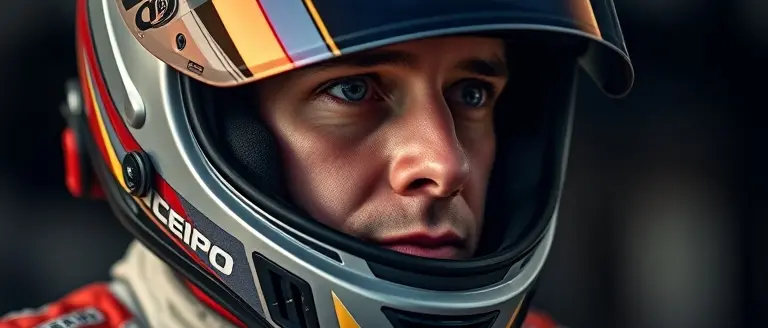
As the engines fire up for the 110th Indianapolis 500 on May 24, 2026, all eyes are fixed on Pato O’Ward. Starting on the outside of Row 2, O’Ward faces a tactical uphill battle that tests both his technical setup and mental resolve. After the unfortunate multi-car practice incident on May 18, the transition to his backup car has dominated the narrative. While switching machines in the final hour before the “Greatest Spectacle in Racing” introduces inherent uncertainty, the Arrow McLaren team has focused on fine-tuning the chassis balance to ensure the secondary machine mirrors the pace of the primary car lost earlier in the week.
Tactical Execution and Mental Fortitude
The shift to a backup chassis necessitates a conservative yet aggressive approach during the early stages of the 200-lap race. O’Ward must prioritize finding a comfortable “clean air” window while managing tire degradation and fuel saving. His strategy will likely hinge on the following factors:
- Pace Management: Maintaining his position in the top six during the first stint to avoid the turbulence of the mid-pack.
- Adaptive Driving: Utilizing the experience gained during “Carb Day” to adjust to the specific aero-balance of the backup car, ensuring he doesn’t overdrive the machine under high-pressure conditions.
- Mental Resilience: Overcoming the psychological impact of his practice crash by focusing on consistent, mistake-free pit stops and intelligent racecraft.
O’Ward’s primary goal remains neutralizing the dominance of championship rivals like Alex Palou. By qualifying well despite the disruption, he has already demonstrated the speed necessary to compete for the Borg-Warner Trophy. For O’Ward, the 2026 Indy 500 is not just about raw pace; it is about demonstrating the composure of a veteran champion-in-waiting while navigating the unique technical challenges of an unexpected backup car assignment.
Mastering the Craft: Bringing Precision to Your Own Projects
Pato O’Ward’s journey toward the Indy 500 title is a testament to the fact that when performance is on the line, there is absolutely no room for guesswork. Whether it is an Arrow McLaren crew building a backup car under extreme pressure or an enthusiast tackling a complex build in their workshop, the difference between failure and a flawless finish lies in the quality of the plans. Relying on trial and error is a luxury that no champion—and no dedicated creator—can afford.
Just as the Arrow McLaren team relies on proven, high-stakes blueprints to make a backup car race-ready in hours, achieving perfection in your own projects requires having the right plans at your fingertips. Ted’s Woodworking acts as your professional mechanic’s manual for DIY mastery. By providing 16,000 professional-grade, tested blueprints, this collection eliminates the struggle and frustration of flawed measurements, ensuring that your technical success is guaranteed on the first attempt.
You don’t need to be an engineer to achieve engineering-level results. When you leverage the same precision that Pato O’Ward needs to win at the Brickyard, you stop guessing and start creating with the confidence of a pro. It is time to stop settling for average and start building with the exact, professional-grade guidance that high-performance projects demand.
 Build your next project with the same precision Pato O’Ward needs to win at Indy—get your 16,000 professional blueprints here.Yes, I Want This Now!